

How to Save Money for Your Valentine’s Date

This Valentine’s Day marks my third one with my husband as a married couple. We’ve never been the type to splurge on overpriced flowers or chocolates as the price tags are just too outrageous! But just because February 14th can be expensive doesn’t mean you have to splurge to make it special.

If you’re looking to celebrate on a budget, consider swapping extravagant gifts for thoughtful, homemade surprises. A cozy date night at home can be just as romantic as a fancy dinner out. That said, if there’s a restaurant you’ve been dying to try, Valentine’s Day could be the perfect excuse to finally check it off your list.

#1: THINK ABOUT YOUR RELATIONSHIP STAGE

Before planning your celebration, think about where you and your partner stand in your relationship. If this is your first Valentine’s Day together, a conservative budget like $50 or less might be a good starting point.

While spending more doesn’t necessarily equate to deeper feelings, starting with a smaller gesture can help set realistic expectations and avoid going overboard too soon.

#2: DISCUSS YOUR BUDGET

No one wants an awkward moment when exchanging gifts and realizing one of you went all out while the other kept it simple. To avoid mismatched expectations, have an open conversation about spending limits beforehand.

Being upfront about what you can afford is key for Valentine’s Day and for future milestones like birthdays, holidays, and weddings (if things go the distance).

#3: CELEBRATE AT HOME

A home-cooked meal can be just as romantic than dining at a fancy restaurant. Whether you cook together or surprise your partner with a special dish, staying in allows you to enjoy an intimate evening without the hefty price tag.

Image Credits: unsplash.com

And don’t feel pressured to whip up an extravagant feast. Even a simple charcuterie board, complete with cheese, cured meats, and fruit, can feel elegant when paired with candlelight, rose petals, and a glass of bubbly.

#4: GIVE SOMETHING MEANINGFUL

A meaningful gift doesn’t have to come with a hefty price tag. Instead of pricey jewelry or gourmet chocolates, consider an experience you can enjoy together like visiting a museum, creating perfume, or attending a local theater production.

Or, go the DIY route. A handwritten love letter, homemade cookies, or a framed poem can feel far more special than anything store-bought.

#5: USE YOUR CREDIT CARD POINTS

If you’ve been racking up credit card points, now might be the time to put them to use! Many people let rewards go unused, but redeeming them for a discounted dinner, a fun activity, or even a future getaway can be a smart way to celebrate without dipping into your budget.

IN A NUTSHELL

Valentine’s Day isn’t about how much you spend—it’s about showing your love and appreciation in a meaningful way. With a little creativity and planning, you can create a memorable celebration without the expensive price tag.

Image Credits: unsplash.com

Sources: 1,2, & 3

Read More...

Why Is It So Hard to Keep Employees in S’pore Workplaces?

Hiring is tough, but keeping employees? That’s a whole different challenge. If you’ve ever found yourself wondering why your best talents are walking out the door, you’re not alone.

Employee retention in Singapore is becoming harder than ever, and it all boils down to a few key reasons.

#1: OVERWORKED, UNDERPAID

Let’s face it, money TALKS. Singapore’s cost of living is one of the highest in the world, and if a salary isn’t keeping up, employees will eventually seek greener (and better-paying) pastures.

While passion and purpose are important, at the end of the day, people need to pay their bills. Companies that fail to offer competitive pay and benefits risk losing talent to competitors who do.

#2: LIMITED CAREER GROWTH

Imagine being stuck in a role with no promotion in sight. Sounds frustrating, right? Employees today, especially younger professionals, crave career progression. They want opportunities to learn new skills, take on bigger roles, and climb the corporate ladder.

When a company fails to provide growth opportunities, employees will look elsewhere.

#3: POOR WORK-LIFE BALANCE

Singaporeans are no strangers to long working hours, but there’s a limit to how much people can handle before burnout kicks in. Overtime culture, inflexible schedules, and unrealistic workloads take a toll on employees’ mental and physical well-being.

Image Credits: unsplash.com

With more companies embracing remote work and flexible arrangements, employees now have options. If their current job doesn’t allow them to balance work and life, they’ll find one that does.

#4: LACK OF RECOGNITION

A simple “thank you” or a well-deserved promotion can go a long way in making employees feel valued. Unfortunately, many companies overlook the power of recognition.

When employees feel like their hard work goes unnoticed, their motivation dwindles. If an organization doesn’t appreciate them, why should they stay?

#5: TOXIC WORK ENVIRONMENT

Nobody wants to work in a place filled with office politics, negativity, and micromanagement. A toxic workplace not only affects productivity but also destroys morale.

When employees feel unsupported, unheard, or even bullied, leaving becomes the best option for their mental well-being.

#6: BAD BOSS/ES

They say people don’t leave jobs…they leave bad bosses. A great leader inspires, supports, and guides their team. On the flip side, ineffective managers create frustration, confusion, and dissatisfaction. When leadership fails, employees disengage, and eventually, they walk away.

IN A NUTSHELL

Keeping employees happy and engaged isn’t just about offering a paycheck. Companies need to invest in their people by providing fair compensation, clear career paths, work-life balance, and a positive work culture.

Image Credits: unsplash.com

Retention isn’t just an HR responsibility; it’s a company-wide effort. After all, when employees thrive, businesses thrive too.

Read More...

The Psychology Behind Lusting for Luxury

Luxury has long been associated with exclusivity, craftsmanship, and status. But beyond the gleam of designer handbags and the allure of high-end skincare lies a deeper psychological pull.

Why do we crave luxury? Let’s break it down.

#1: BECAUSE YOU DESERVE IT

In a world where burnout is practically a badge of honor, luxury becomes a form of self-care. With constant stress, low wages, and an endless stream of bad news, splurging on something expensive can feel like a well-earned escape.

This phenomenon, known as hedonic consumption, explains why people turn to luxury goods as a way to soothe themselves. It’s that fleeting moment of indulgence where owning a designer piece makes you feel like a celebrity, even for just a second.

Admit it, we’ve all justified a splurge by telling ourselves: “Money will come back. I deserve this.”

#2: KEEPING UP WITH SOCIAL MEDIA

Social media has turned luxury into a never-ending trend cycle. One minute, it’s a Bottega Veneta bag; the next, it’s the latest “It” shoe. Don’t get me started with watches! With influencers flaunting high-end hauls and celebrities celebrating milestones with designer splurges, it’s easy to feel like luxury isn’t just a want.

Platforms like Instagram and TikTok fuel this culture with hashtags like #TreatYourself and aspirational content featuring curated skincare routines, extravagant “galentines,” and designer-filled shopping sprees. The message? Indulgence is essential to self-care.

Image Credits: unsplash.com

#3: LUXURY IS THERAPY

Luxury shopping isn’t always about status as it’s often about emotional regulation. Research by Selin Atalay and Margaret Meloy (2011) found that people in a negative emotional state are more likely to splurge on luxury goods, hoping to boost their mood.

But here’s the catch: while shopping might offer temporary relief, the guilt that follows can sometimes outweigh the initial excitement. Harri T. Luomala’s study (2002) found that excessive spending can ruin an already content state of mind, making it a double-edged sword.

#4: IRRATIONALITY OF LUXURY

Luxury shopping isn’t always rational. A well-made, durable handbag can cost around S$100, yet many willingly drop thousands on a designer version that serves the exact same purpose.

Why? Behavioral psychology suggests that luxury purchases often stem from an emotional rather than logical place. It’s about perceived value, exclusivity, and the status attached to the brand (sometimes more than the actual product itself).

#5: LUXURY AS SOCIAL CURRENCY

Luxury is often more than craftsmanship and quality—it’s a status symbol. Many people buy designer items not just for their design but for the brand’s logo, a clear signal of wealth and success.

The downside? Some stretch their finances thin to keep up with the illusion, falling into debt just to own a coveted piece. Luxury can be aspirational, but for some, it becomes a financial trap.

#6: NEED FOR UNIQUENESS

At its core, luxury is about exclusivity. Being able to afford it already puts you in a minority, making it feel even more special.

Wealthier consumers often gravitate towards brands that exude authenticity and timelessness, reinforcing the idea that true luxury is about more than just a price tag.

IN A NUTSHELL

While there’s nothing wrong with indulging, understanding why we crave these things can help us make more mindful, guilt-free choices. So the next time you feel the urge to splurge, ask yourself: Is it about the product, or the feeling it gives you?

Image Credits: unsplash.com

Sources: 1,2,&  3

Read More...

Master a New Language Without Breaking the Bank

Learning a new language doesn’t have to break the bank. In fact, I am currently learning the Korean language with my last class being scheduled today. While premium apps, private tutors, and immersion trips are great, they’re not the only ways to become fluent.

Whether you’re picking up Spanish, French, or Korean, here are some budget-friendly strategies to help you master a new language without emptying your wallet.

#1: FREE LANGUAGE APPS

There’s no shortage of free apps to help you learn a language at your own pace. Duolingo, Memrise, and Clozemaster offer interactive exercises, vocabulary drills, and gamified lessons—all for free!

Want something more structured? The free version of Anki lets you create personalized flashcards to reinforce learning.

#2: YOUTUBE UNIVERSITY

Forget expensive courses as YouTube is a goldmine of language-learning resources. Channels like “Learn French with Alexa” or “Spanish with Paul” offer free lessons for beginners to advanced learners.

The best part? You can rewind, slow down, or replay tricky sections until you nail the pronunciation.

#3: PODCASTS AND AUDIOBOOKS

Turn your daily commute or workout into a language lesson with free podcasts. “Coffee Break Languages” and “Duolingo Podcast” provide engaging and practical lessons.

Image Credits: unsplash.com
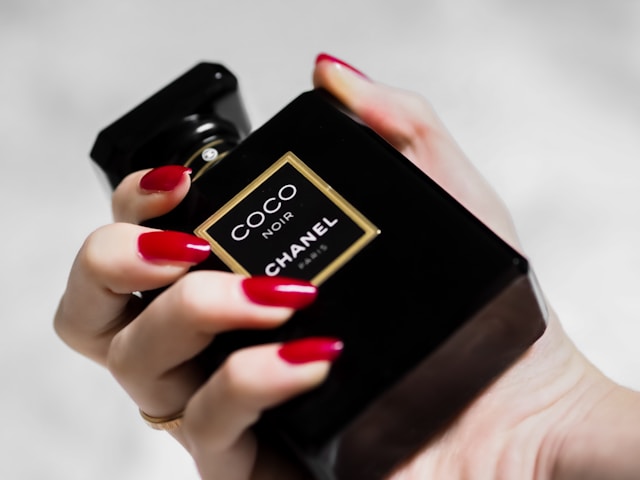
If you love stories, try listening to audiobooks in your target language. Start with children’s books for simple vocabulary and work your way up.

#4: LANGUAGE EXCHANGE

Who needs pricey tutors when you can swap skills for free? Apps like Tandem, HelloTalk, or Speaky connect you with native speakers who want to learn your language. It’s a win-win: you teach them, they teach you, and you both improve for free!

#5: LIBRARIES

Local libraries often have free language books, audiobooks, and even access to digital learning platforms. Don’t overlook free government and university websites as many offer full language courses at no cost.

#6: SPEAK IT EVERY DAY

Practice speaking as much as possible. Narrate your daily routine, describe objects around you, or even talk to yourself in the mirror. If you’re too shy, voice message yourself or use AI chatbots designed for language learners.

#7: WRITE IT DOWN

Journaling in your target language is a great way to reinforce what you’ve learned. Start with a simple sentence each day and gradually add more detail. Not sure if your grammar is correct? Use free tools like Grammarly or LanguageTool to check your work.

Image Credits: unsplash.com

IN A NUTSHELL

Fluency doesn’t require a fortune. Instead, it needs consistency, creativity, and smart use of free resources. With these budget-friendly methods, you’ll be chatting like a native in no time!

So, what language are you learning next?

Read More...

The Secrets of Luxury Brands

I, too, have felt the guilt of indulging in luxury, whether it is a designer bag, a statement accessory, or high-end makeup. With the hefty price tags, saving up for these purchases is a must. But luxury is not just about the cost.
It is about prestige, power, and perception.

The world’s top brands have mastered the art of desirability, transforming their products into more than just items. They are status symbols. But what really keeps luxury brands on top? Let us pull back the velvet curtain.

TIMELESS APPEAL

Even during the 2007-08 global financial crisis, luxury brands thrived. While other industries took a hit, the allure of high-end goods remained intact. Why? Luxury isn’t just about spending. It is about aspiration. No matter the economic climate, people still crave exclusivity, quality, and craftsmanship.

Image Credits: unsplash.com

POWER OF EXCLUSIVITY

Luxury is defined by rarity. The harder something is to get, the more people want it. High-end brands cultivate this through limited-edition drops, private shopping experiences, and exclusive distribution channels.

Take Burberry in the late 90s. It made the mistake of going too mainstream, flooding the market with accessible products. The result was a decline in prestige and profits. Only after scaling back and re-establishing exclusivity did Burberry reclaim its elite status. Lesson learned. Luxury thrives on limited access.

INFLUENCE OF CLOUT

In luxury, credibility is everything. That is why brands strategically leverage celebrity endorsements and influencer partnerships to reinforce their status. Nordstrom, for example, masterfully integrates influencer marketing to build hype and cultivate desirability. The right endorsement can turn a product into a cultural icon overnight.

HIDDEN ARTISANS OF LEATHER GOODS

Nestled in the hills of southern Spain, the town of Ubrique is far from the fashion capitals of Paris or Milan. No airports, no train stations. Just winding roads leading to one of the luxury industry’s best-kept secrets.

This remote village is where elite brands like Louis Vuitton, Gucci, Hermès, Chanel, and Loewe craft their high-end leather goods. The artisans of Ubrique, known for their meticulous craftsmanship, create the handbags, wallets, and belts that define luxury. Despite its low profile, this tiny town remains an essential hub for the world’s top fashion houses.

EYEWEAR GIANT BEHIND MANY DESIGNER FRAMES

Ever wondered why luxury eyewear from brands like Prada, Chanel, and Versace all seem to have a similar feel? That is because most of them come from the same manufacturer, Luxottica.

Image Credits: unsplash.com

Based in Milan, Luxottica designs and produces eyewear for nearly every major luxury label. It also owns iconic brands like Ray-Ban and Oakley. In short, whether you are buying a pair of Dior or Tiffany & Co. sunglasses, there is a good chance they were crafted under the same roof.

OVERPRICED TAG SCANDAL

Luxury pricing is about more than materials. It is about branding, exclusivity, and craftsmanship. But sometimes, the markups raise eyebrows.

Take Dior’s 2024 controversy. Reports surfaced that a subcontractor was paid as little as 53 euros per bag, while the same bag retailed for 2,600 euros. Dior denied the claims, stating that its pricing aligned with industry standards. True or not, the scandal reignited the debate. Are luxury prices justified, or just a product of brilliant marketing?

IN A NUTSHELL

Luxury brands aren’t just selling products. They are selling dreams. Through exclusivity, influencer power, and strategic pricing, they maintain an aura of prestige that keeps consumers craving more.

Image Credits: unsplash.com

The secret of luxury lies not just in what you buy but in what it represents.

Sources: 1,2, 3, & 4


Read More...