MBS Bets Big with S$10.3B Expansion

On a humid Tuesday morning (July 15), the Marina Bay skyline buzzed with more than just financial activity. It carried the anticipation of transformation. Las Vegas Sands, the parent company of Marina Bay Sands (MBS), held a groundbreaking ceremony for its US$8 billion (S$10.3 billion) expansion, a bold move that promises to reshape not only Singapore’s skyline but also the future of luxury tourism across Asia.

Prime Minister Lawrence Wong officiated the ceremony, joined by Minister for Sustainability and the Environment Grace Fu and key figures from Las Vegas Sands, including cofounder Miriam Adelson, Chief Executive Officer Robert Goldstein, and President and Chief Operating Officer Patrick Dumont. Their presence underscored both the global significance and the local commitment behind this landmark development.

ENHANCING THE MBS LEGACY

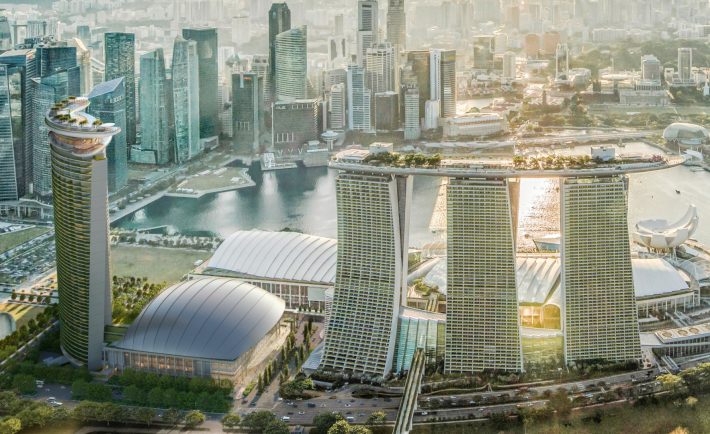
Since its opening, Marina Bay Sands, crowned by the iconic SkyPark, has become one of the most recognizable architectural symbols of Singapore. Now, its next chapter, temporarily called IR2, is poised to elevate this legacy even further. The upcoming 55 story tower will house 570 all suite accommodations, each designed to feel less like a hotel room and more like a private retreat in the sky.

But the expansion goes beyond opulence. The project includes a new gaming area, nearly 200,000 square feet of premium meeting and event spaces, world class dining concepts, enhanced wellness facilities, and a state of the art entertainment arena capable of hosting 15,000 attendees. This is more than hospitality. It is the blueprint for a new standard in global luxury experiences.

TRANSFORMING THE SKYLINE

If the original SkyPark defined the Marina Bay Sands silhouette, the upcoming Skyloop will reimagine how visitors experience it. Spanning 76,000 square feet, this multilevel rooftop destination will offer panoramic 360 degree views of the city skyline. The Skyloop will feature public areas including observatories, lush gardens, and destination restaurants, alongside private sanctuaries with infinity pools, cabanas, and wellness terraces curated for bespoke experiences.
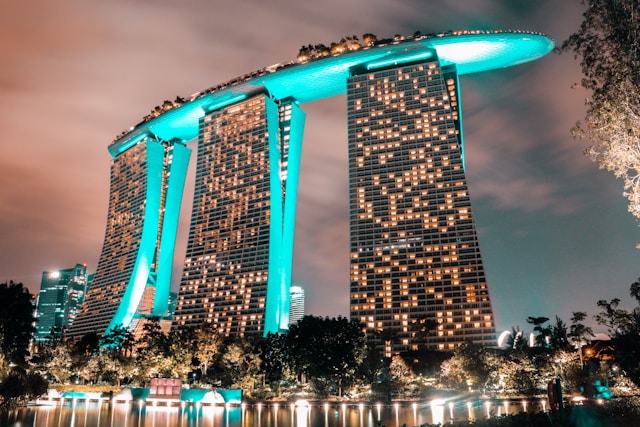
Image Credits: unsplash.com

WHY NOW

This expansion is more than a property upgrade. It is a strategic play. As regional competition intensifies, with new integrated resorts emerging in markets like Japan, Macau, and the Philippines, Singapore is reinforcing its position as Asia’s premier hub for business, tourism, and luxury living.

“This is not just a hotel. It is a vision for the future of hospitality,” said Patrick Dumont in a recent interview. The message is clear. Las Vegas Sands is placing its full confidence in Singapore’s continued relevance and leadership in the global hospitality landscape.

INVITING THE PUBLIC IN

While IR2 is geared toward the ultra luxury market, MBS remains committed to engaging the public. Starting January 17, the Skyline Singapore: Stories From Above showcase will open at the SkyPark Observation Deck. Visitors can explore the evolution of Marina Bay Sands through immersive exhibits while taking in sweeping views of the Esplanade, Gardens by the Bay, and the ever evolving cityscape.

At night, the SkyPark remains one of the best spots to catch Spectra, the free nightly light and water show that continues to captivate both locals and visitors. Even as MBS reaches new heights, it remains grounded in its role as a place for connection, wonder, and shared experience.

Image Credits: facebook.com/SafdieArchitects

With construction officially underway, Singapore is once again stepping boldly into the global spotlight. This expansion is more than a luxury resort project. It is a proof that the Lion City’s next act is already taking shape.


Sources: 1,2, & 3


Read More...

Financial Resilience After Job Loss in Singapore

Few sentences hit harder than “I got retrenched.” In Singapore’s costly and fast-paced economy, losing a steady paycheck can feel as if the ground has shifted beneath you. Yet, with the right strategy, what initially feels like a crisis can become a powerful opportunity for growth and resilience.

Recent trends in the labor market reflect this growing pressure. According to data from the Ministry of Manpower, the seasonally adjusted unemployment rate rose from 1.9 percent in the fourth quarter of 2024 to 2.1 percent in the first quarter of 2025. While this increase may appear modest, it underscores the rising vulnerability in sectors undergoing restructuring, such as technology and finance.

At the same time, the cost of living remains a significant concern. SingStat’s latest Household Expenditure Survey shows that the average household in Singapore spends approximately S$4,906 per month. This level of spending highlights how quickly financial strain can follow a job loss, particularly if emergency savings are limited.

To help ease this burden, government support mechanisms are in place. The SkillsFuture Jobseeker Support scheme offers up to S$6,000 over six months to eligible Singaporeans aged 21 and above who were involuntarily unemployed and earned no more than S$5,000 monthly. To qualify, applicants must have worked at least six of the past twelve months and demonstrate active participation in job search or training activities. This temporary assistance provides a crucial financial cushion during periods of transition.

With that support in place, budgeting becomes the next priority. A clear financial plan (i.e., one that tracks recurring expenses, eliminates unnecessary fees, and uses digital tools like budgeting apps or calendar alerts) can prevent small leaks from draining your savings. Staying organized is more than a habit; it is a way to regain control when the future feels uncertain.

Equally important is tapping into your existing network. In Singapore’s close-knit professional landscape, many opportunities arise not from job listings but from personal connections. LinkedIn reports that nearly 80 percent of professionals in Asia found jobs through referrals. Reconnecting with former colleagues, mentors, and online communities can open doors that might otherwise remain closed.

At the same time, managing debt requires thoughtful attention. With credit card interest rates averaging over 25 percent, even small unpaid balances can escalate quickly. Fortunately, banks such as DBS, UOB, and OCBC continue to provide relief measures like loan restructuring and repayment extensions, in line with guidance from the Monetary Authority of Singapore. Exploring these options can help preserve cash flow without compromising long-term financial health.

Looking ahead, Singapore continues to invest in workforce resilience. Budget 2024 allocated S$1.9 billion toward cost-of-living relief and skill development, with programs like the SkillsFuture Level-Up Programme offering additional support for mid-career workers. This means that those who lose their jobs today can also build new skills for tomorrow, positioning themselves for stronger re-entry into the workforce.

Image Credits: unsplash.com

Retrenchment is undeniably a setback, but it is not the end. Recovery is not only possible…it is likely. With discipline, resourcefulness, and the right tools, this chapter can mark the beginning of something even more secure, more resilient, and more aligned with long-term financial goals.

Sources: 1,2, 3, 4 & 5

Read More...

How Singaporeans Are Redefining Financial Strategy in 2025

In a country known for its efficiency and fast-paced urban living, the way Singaporeans approach personal finance is undergoing a quiet yet powerful transformation. With inflation still a concern and financial aspirations shifting from mere survival to long-term security, 2025 marks a turning point in how budgeting is viewed.

According to the latest data from YouGov, nearly half (45%) of Singaporeans believe the global economy will fall into a recession within the next six months. This cautious sentiment is mirrored at home, with 25% anticipating a local recession. Although 30% expect the economy to remain stable and 18% are optimistic about growth, the broader mood remains conservative. These views come against the backdrop of rising inflation, global political instability, and persistent energy cost concerns. As households brace for possible turbulence, many are reassessing their spending priorities. Already, 25% of respondents say they are cutting back on dining out, 23% on indulgent food and drink, and 20% on food delivery.

Amid these shifting expectations, the very idea of budgeting is also evolving. Gone are the days when budgeting was synonymous with cutting back. Increasingly, individuals are leveraging their budgets to build wealth, channeling funds toward investments through robo advisors, topping up retirement accounts, and using SkillsFuture credits to future-proof their careers. This shift reflects a deeper mindset change: budgeting is no longer reactive, but strategic. It is less about frugality for its own sake and more about using every dollar with intention.

Moreover, technology is playing a central role in this financial evolution. AI-powered tools are rapidly gaining ground, offering users more than just spreadsheets or transaction logs. These platforms now analyze spending patterns, forecast future cash flow, and provide highly personalized savings strategies. Apps like Seedly and DBS NAV Planner have become more than financial dashboards. They are decision-making companions. Even ChatGPT is being adopted as a budget coach, helping users create custom plans tailored to lifestyle and goals.

Automation has emerged as another critical enabler. Much like CPF contributions that happen quietly in the background, more individuals are setting up auto transfers via GIRO or savings apps to consistently build up emergency funds or investment portfolios. The principle is simple yet effective: when savings become automatic, wealth accumulation becomes inevitable.

At the same time, a renewed interest in accountability is reshaping spending habits. Subscription fatigue is now prompting deeper reflection. Consumers are reevaluating what they truly use and value by cancelling unused streaming services, trimming digital subscriptions, and rediscovering public resources like the National Library Board’s digital app. Even traditional ideas like carpooling or buying in bulk at retailers such as NTUC FairPrice Warehouse Club and Mustafa Centre are regaining traction, seen less as compromise and more as smart financial choices.

Reward-based spending is also becoming more deliberate. Cashback programs, once treated as perks, are now actively factored into purchase decisions. Consumers are seeking out the best credit cards, rewards apps like ShopBack, and promotional deals to turn everyday transactions into small returns. However, the savvy Singaporean spender recognizes the fine line between strategic spending and lifestyle creep. The cashback only counts if the purchase was truly necessary.

Another evolving practice is the return to meal prepping, driven by the rising cost of eating out. Rather than giving up convenience entirely, households are striking a balance by cooking in batches and reducing reliance on food delivery platforms. These seemingly modest changes contribute to significantly leaner monthly expenses.

Even lifestyle indulgences are being approached with greater mindfulness. With outbound travel making a full comeback, more people are relying on apps like Klook and Traveloka to unlock hidden promotions and stretch their leisure budgets. Whether it is discounted theme park tickets or staycation bundles, travel is no longer spontaneous; it is thoughtfully planned.

Image Credits: unsplash.com

What ties all these trends together is a growing financial maturity, a recognition that budgeting is not about restriction, but empowerment. The focus is shifting from saving what is left after spending to spending what is left after saving.

As 2025 passes its halfway mark, this recalibrated approach to money may not only help households navigate economic uncertainty but also shape the next chapter of our financial story.

Sources: 1,2,3,& 4

Read More...

What Can You Still Buy with S$1 in Singapore?

In a city where kopi often costs more than S$1 and hawker meals regularly climb past S$5, it is hard not to wonder…is there anything left that still costs just a dollar?

With the rising cost of living and food ingredients, is the humble S$1 still good for more than just candy? Can you still get an actual bite to eat for that price, or is it just a number from the past?

We searched around and found a few surprising ways that S$1 still stretches in Singapore.

#1: BREAD FOR UNDER S$1

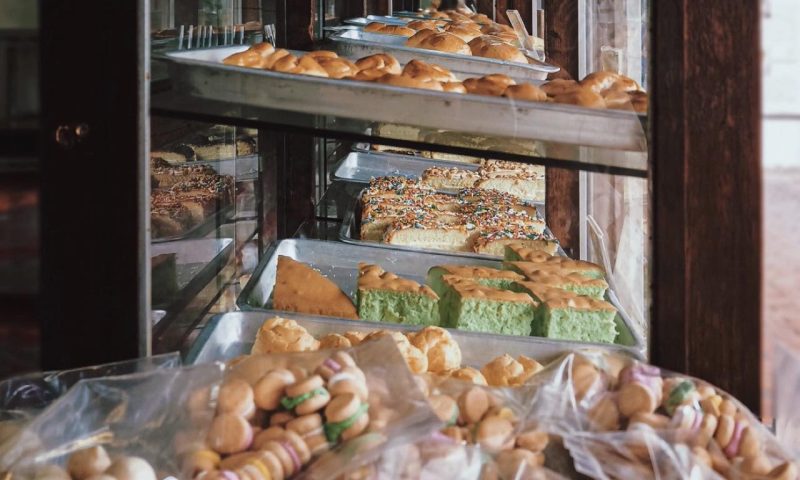
Most bakeries now price soft buns and cake slices at S$2 or more. But Love Confectionery in Bukit Timah is keeping things simple.

This old school heartland bakery still offers custard buns, cream puffs, pandan cake slices, and sugar coated doughnuts for S$1 or even under. It is not just affordable. It is also packed with nostalgia.

Image Credits: facebook.com/loveconfectionerysg

#2: ICE CREAM FOR $0.50

Mixue sells its Signature King Cone for S$1.50. You get soft serve in a big crispy cone and according to one Redditor, it is a much better deal that the McD’s. Someone wrote, “Better than McDonald’s by far in my opinion. You get more for what you pay.”

Image Credits: unsplash.com

For a budget option, you can always grab the soy ice cream at IKEA for just 50 cents. Still one of the cheapest cool treats in town.

#3: IKEA’S S$1 HOTDOG

IKEA’s hot dog is something of a local icon. Despite inflation, it still sells for just S$1. You can choose the classic meat version or a plant based option made with kale, lentils, and quinoa. The veggie dog is available at IKEA Tampines and IKEA Jurong.

One Redditor shared, “This was how I used to bribe my son to behave in IKEA. He knew he would get a hot dog at the end.”

#4: DOLLAR DEALS AT 7-11

From now until 15 July 2025, 7-Eleven Singapore is running its rotating S$1 deals and there is a huge list of drinks and snacks on offer.

Items include Milo Gao, Pokka Lychee Tea, Fuze Jasmine Tea, Eurocake mini rolls, Want Want crackers, Nestlé Milo energy bars, and more. All at just a dollar. Do note that these are available only at selected stores and while stocks last.

#5: INSTANT NOODLES FOR JUST OVER S$1

They are no longer exactly one dollar, but Maggi Hot Cup Curry is only S$1.21 and Indomie Mi Goreng Cup goes for S$1.22 at FairPrice.

Image Credits: unsplash.com

If you are in need of a quick and comforting bite, these cup noodles deliver that warm familiar taste.

IN A NUTSHELL

You might not get a full meal for one dollar anymore, but if you look around, you can still find sweet deals for that price or just a little more. Ice cream, drinks, and hot dogs can still be within reach if you know where to go.

Got more S$1 finds? Let us know before they vanish too!

Read More...

2025 GSTV Payout Guide: What You Get & When

The GST Voucher (GSTV) Scheme for 2025 continues to provide vital financial support to help Singaporeans handle everyday costs arising from rising prices. It’s part of the larger Assurance Package, alongside Community Development Council (CDC) vouchers. The scheme comprises four key components designed to benefit different needs: GSTV Cash, U‑Save utility rebates, MediSave top‑ups, and Service & Conservancy Charges (S&CC) rebates.

Let us start with GSTV Cash. It is available to Singapore citizens aged 21 and above with an assessable income of S$39,000 or less and who own at most one property with an annual value (AV) of S$31,000 or less. Applicants in homes with AV up to S$21,000 receive S$850, while those with AV between S$21,001 and S$31,000 receive S$450. 

Next, MediSave top‑ups are offered to Singaporeans aged 65 and above, subject to the same AV and property criteria . Recipients aged 65–74 receive S$250 (AV ≤ S$21,000) or S$150 (AV up to S$31,000); those aged 75–84 receive S$350 or S$250; and those 85+ are awarded S$450 or S$350.

Thirdly, U‑Save rebates are provided quarterly to eligible HDB households that have at least one Singapore citizen and must not own more than one property. These rebates are automatically credited to SP utilities accounts in January, April, July, and October 2025. The quarterly amounts are S$95 for 1‑ and 2‑room flats, S$85 for 3‑room, S$75 for 4‑room, S$65 for 5‑room, and S$55 for executive or multi‑generation flats.

Lastly, S&CC rebates offset town council charges and are similarly credited quarterly. Depending on flat type, households receive between 1.5 and 3.5 months’ worth over the year, including a bonus half-month rebate in January 2025.

PAYOUT PROCESS

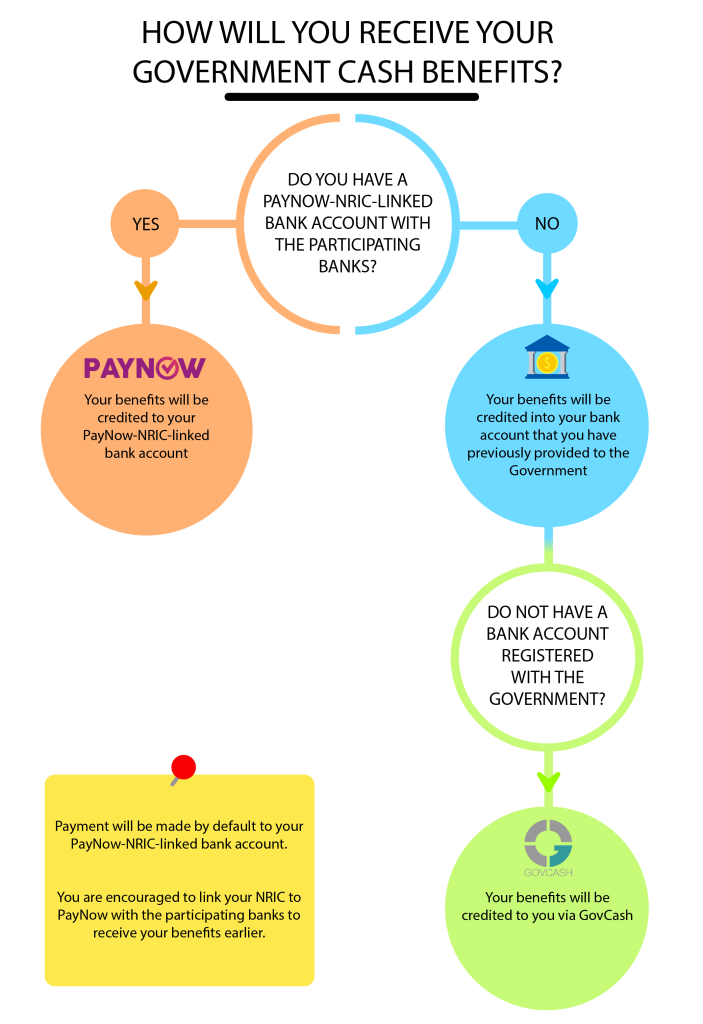
To receive GSTV Cash, register for PayNow‑NRIC by 27 July 2025 or update your bank details by 28 July. Payouts begin on 6 August via PayNow‑NRIC, 15 August via direct bank credit, and 22 August via GovCash for those without bank accounts. MediSave top‑ups are credited from 11 August 2025 for those already signed up or who sign up by 13 July 2025. Later registrants (14 July 2025 to 20 June 2026) will receive their top-up within two months of signing up. On the other hand, no action is needed for U‑Save or S&CC rebates as they’re automatically applied.

You can check eligibility, update payment details, or review payout statuses through Singpass or at govbenefits.gov.sg.

Image Credits: govbenefits.gov.sg

IN SUMMARY

The following is a quick summary of the key details above to help you better understand the 2025 GST Voucher benefits. Do check govbenefits.gov.sg regularly for the latest updates, as details may change.

GSTV Cash

  • S$850 for AV ≤ S$21,000
  • S$450 for AV between S$21,001–31,000
  • Income limit: S$39,000 or less (YA 2024)

MediSave Top‑ups (age 65+)

  • S$250 (AV ≤ S$21,000) or S$150 (AV S$21,001–31,000) for ages 65-74
  • S$350 / S$250 for ages 75–84
  • S$450 / S$350 for ages age 85+

U‑Save Rebates (quarterly)

  • S$95 (1–2 room)
  • S$85 (3‑room)
  • S$75 (4‑room)
  • S$65 (5‑room)
  • S$55 (executive/multi‑gen)

S&CC Rebates (quarterly)

  • 1.5 to 3.5 months’ worth based on flat type (+0.5 month in January 2025)

Payment Dates

  • GSTV Cash via PayNow‑NRIC: From 6 August 2025
  • Bank crediting: From 15 August 2025
  • GovCash: From 22 August 2025
  • MediSave: From 11 August 2025

Actions Required

Image Credits: unsplash.com

  • Link PayNow‑NRIC by 27 July 2025
  • Update bank details by 28 July 2025 (if needed)
  • Register for MediSave by 13 July 2025; later registrations processed in ~2 months 

    Sources: 1 & 2

Read More...