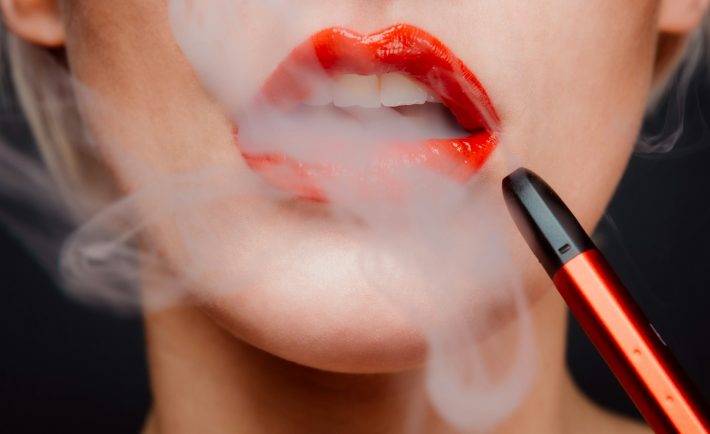
At first glance, vaping appears modern and fashionable. With candy-colored casings and flavors such as mango ice and cotton candy, e-cigarettes have quietly spread among Singapore’s youth. Yet behind this playful image lies a growing health crisis, one serious enough for Prime Minister Lawrence Wong to announce stricter vaping rules during his 2025 National Day Rally speech.
“Many of these vapes are laced with addictive and harmful substances like etomidate,” he cautioned. “Right now it is etomidate. In the future, it could be something worse, stronger, or far more dangerous.”
For a country long known for its uncompromising stance on tobacco, Singapore’s move against vaping marks a significant new phase in the battle against harmful addictions. The Government has made it clear that fines alone, previously capped at S$2,000, are no longer sufficient. Vaping will now be treated as a drug issue, supported by tougher penalties, rehabilitation programs, and a nationwide education drive.
Health experts warn that e-vaporizers release aerosols containing fine particles, cancer-causing chemicals such as formaldehyde and benzene, and toxic metals including tin, lead, and nickel. Nicotine, the main addictive substance, not only fosters dependence but also speeds up heart rate, raises blood pressure, and in younger people disrupts brain development in ways that affect learning, focus, and emotional regulation.
What alarms medical authorities most is the spread of Kpods, vapes secretly infused with etomidate, a sedative intended only for controlled medical use. When inhaled, etomidate bypasses the body’s natural defenses and enters the bloodstream directly. The consequences can range from spasms and breathing problems to seizures and psychosis. Because users are often unaware of what they are inhaling, these vapes pose risks far greater than cigarettes. Unlike tobacco or alcohol, vaping devices can be easily altered, refilled, and spiked with substances far more dangerous than nicotine.
To address the threat, the Ministry of Home Affairs and the Ministry of Health have launched a coordinated campaign that goes beyond enforcement. The Health Sciences Authority will work closely with officers on the ground, and more than 800 Singaporeans have applied to join the newly created anti-vape task force. The strategy mirrors Singapore’s earlier crackdowns on glue sniffing in the 1990s and chewing gum smuggling in the 2000s, treating vaping not as a passing trend but as a national threat that requires collective action.
The most crucial front line, however, lies in schools and campuses. The Government’s education program will target secondary schools, polytechnics, universities, and even National Service, ensuring young people are warned before habits form. “Today’s anti-vaping campaign must be as visible as yesterday’s anti-smoking efforts,” said Vikram Nair, Chairman of the Government Parliamentary Committee for Home Affairs and Law. “When I was a student, we all knew about glue sniffing because of the campaigns. This generation must see vaping in the same way.”
Still, the response will not rely solely on punishment. Those found addicted to vaping will be placed in supervised rehabilitation, while voluntary quitters will not face legal consequences if they seek support through programs such as the Health Promotion Board’s I Quit. This creates a two-pronged approach: disrupting supply chains to deter traffickers while offering users a path to recovery before their dependence becomes long term.

Image Credits: unsplash.com
What is certain is that the fight is only beginning. Battle lines are emerging in schools, shopping malls, airports, and the online spaces where vapes are promoted. As Prime Minister Wong made clear, this is not just about stopping a fad but about protecting an entire generation. The haze of vaping may seem harmless, but Singapore is determined to clear the air one crackdown at a time.