Korea’s Underground Shopping Malls That Locals Love


For many Singaporean travelers, Korea’s headline shopping districts are enough to fill a suitcase. Yet some of the country’s most fascinating retail experiences are not above ground. They sit quietly beneath the city, where small businesses thrive, and treasures hide behind modest storefronts. These underground malls are more than shopping conveniences. They are economic ecosystems shaped by foot traffic and the purchasing power of a generation that prioritizes value and discovery.

Image Credits: unsplash.com

Beneath the busy arteries of Myeongdong lies an underground complex that feels almost like a parallel world. Here, beauty products, streetwear, accessories, and home goods come together in a maze of bright stalls. The pricing is competitive, the inventory changes quickly, and the atmosphere feels both youthful and relentless. We even managed to buy a brand-new watch for under S$9 and some K-Pop Super Junior stickers for S$2 each.

Further along the city’s retail undercurrents sits Hoehyeon Underground Shopping Center, a favorite among collectors and long time hobbyists. Tucked between Namdaemun Market and Myeongdong, this labyrinth reveals a quieter world of antiques, stamps, vinyl records, currency notes, and artworks. For Singaporean buyers interested in vintage markets and alternative assets, the center offers a window into Korea’s thriving collector culture.

Across the river, GOTO Mall stretches beneath the express bus terminal like a city of its own. Rows of boutiques sell everything from apparel to beauty products to tech accessories. Some stalls specialize in bedding and homeware, drawing homeowners who appreciate well made goods at competitive prices. Others cater to students and young professionals building their wardrobes on a budget. In between, tarot readers add a touch of mystique to the steady flow of commerce. It is a place where practicality and impulse buying exist side by side.

To complete the underground journey, Dongdaemun’s subterranean shopping center offers a vivid mix of fashion wholesale culture and late night gastronomy. Built under the landmark Dongdaemun Design Plaza, the complex carries clothing, accessories, home items, and cosmetics at prices that reward bulk buying. It functions as a hidden extension of the city’s fashion engine, where trends are born, copied, reinvented, and sold before sunrise. As the evening deepens, the surroundings come alive with night snacks that keep both tourists and traders fueled. Don’t forget to haggle for better prices!

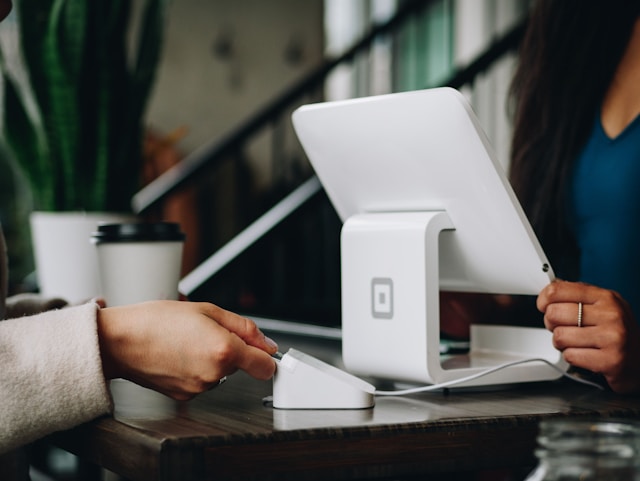
Across all these destinations, one rule remains constant. Cash is king! Most vendors accept only Korean won and many operate with thin margins that favor quick transactions. Visitors should come prepared with comfortable shoes as these centers sprawl across long corridors and can become crowded during peak hours. A weekday visit outside of the lunch rush offers the best chance of moving at your own pace.

Image Credits: unsplash.com

Underground shopping in Korea is more than an inexpensive alternative to its glossy malls. For the budget-conscious traveler, these spaces blend affordability and discovery into the beating heart of the Korean consumer economy.

Sources: 1 & 2


Read More...

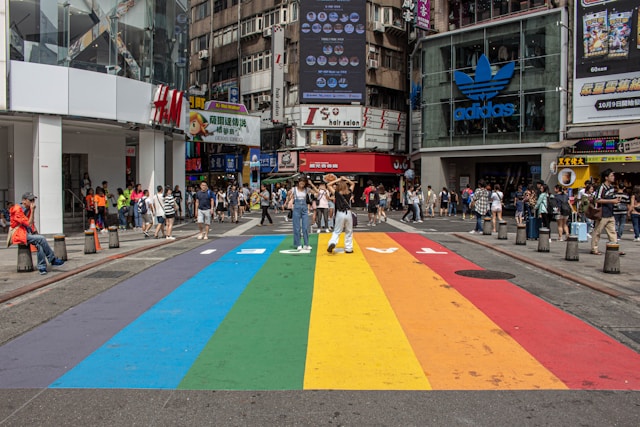
Taiwan Shopping Guide You’ll Actually Use

Taipei has a way of turning even casual visitors into devoted shoppers. My husband and I went for the food, but we quickly discovered how enjoyable it is to shop in the city, especially with the kindness of the people you meet at every turn. At the time of writing, one New Taiwan Dollar is roughly equivalent to 0.042 Singapore Dollar, which makes Taipei’s wide range of shopping choices friendly to all budgets. The city is more than a retail destination. It is a lively blend of culture, warmth, and irresistible finds.

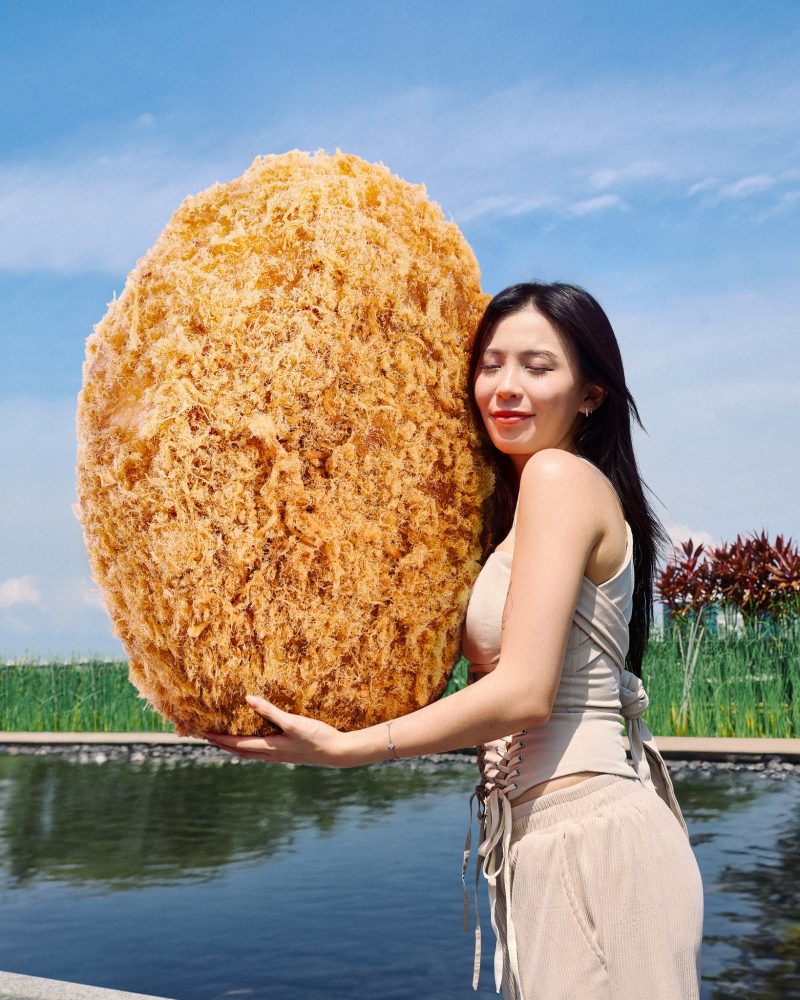
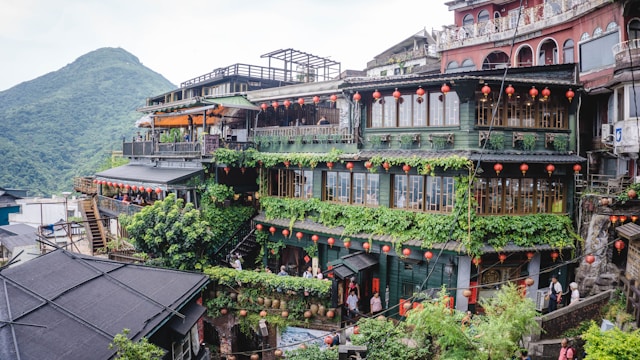
One of the most charming ways to experience Taiwan is through its souvenirs and snacks. Pineapple cakes remain the country’s most iconic gift, and visiting specialty bakeries such as Chia Te Bakery or Taipei LeeChi feels like walking into a gallery of beautifully crafted pastries. Their pineapple and winter melon varieties are packaged elegantly, making them perfect to bring home. Tea lovers can enjoy the refined selections at Jing Sheng Yu on Yongkang Street, while Jiufen Old Street offers tea experiences in a setting that feels lifted from the world of Spirited Away. Its lantern-lined alleys and traditional structures create an atmosphere that is both nostalgic and cinematic.

Image Credits: unsplash.com

For anyone who loves characters and collectibles, Taipei feels like one big playground. Donguri Republic at Shin Kong Mitsukoshi in Xinyi brings Studio Ghibli favorites to life with shelves filled with Totoro and other well loved figures. Pokémon Center Taipei adds another layer of excitement with plush toys, trading cards, and exclusive items. The city is also famous for gashapon machines. Ximending alone features more than 500 of them, offering everything from anime figurines to cute and calming collectibles. Shilin Night Market has its own growing collection, while the malls in Xinyi scatter machines across several floors, turning an ordinary shopping trip into a series of small surprises.

Blind box collectors often gravitate toward Ximending, although some resellers charge two or three times the original price. Pop Mart Ximen is a better choice if you want to go straight to the source. The four storey space includes exhibition areas, a VIP lounge, and larger than life displays of Molly and other popular characters. Crowds tend to build during weekends, yet the experience is worth every moment. Nearby, the Wan Nian Building offers an entire structure dedicated to anime lovers. We found shops selling everything from Voltes V and Dragon Ball to Sakamoto Days and Spy x Family. The Taipei Animate Store is also in the area, with its own entrance tucked below street level and a nearby café that adds to the fun.

Image Credits: unsplash.com

Taipei’s markets reveal a different side of the city. Nanmen Market near the Chiang Kai Shek Memorial Hall focuses on traditional ingredients such as dried goods and fresh local produce. The Taipei Expo Farmer’s Market at Yuanshan MRT brightens weekends with honey, tea, fruits, vegetables, and small batch artisanal items. Red House Craft Market in Ximending highlights the creativity of local artists. The prices can be higher compared to other markets, but the atmosphere is enjoyable and supports independent makers.

Beauty and fashion are part of the city’s everyday charm. Pharmacy chains like Watsons and Cosmed carry cosmetics and skincare that suit a wide range of preferences, and Watsons often offers attractive discounts. For affordable fashion, Wufenpu near Raohe Night Market is a reliable stop. Its narrow lanes are filled with shops carrying clothes, sunglasses, accessories, and children’s items. Trendy and mid range boutiques are scattered throughout Ximending, Yongkang, Shida, and Gongguan, while NET provides a local version of GAP style basics. For a premium experience, Taipei 101 offers luxury brands and an observatory that makes the visit feel even more memorable.

Image Credits: unsplash.com

Shopping in Taipei never feels like a simple transaction. It feels like an invitation to explore the city’s creativity, history, and personality through the things you bring home. Whether it is tea from Jiufen, a blind box from Ximending, or a handmade craft from Red House, every purchase becomes part of your travel story.

Sources: 1 & 2


Read More...

Carousell Luxury Launches Pre-Loved Designer Boutique on Orchard Road

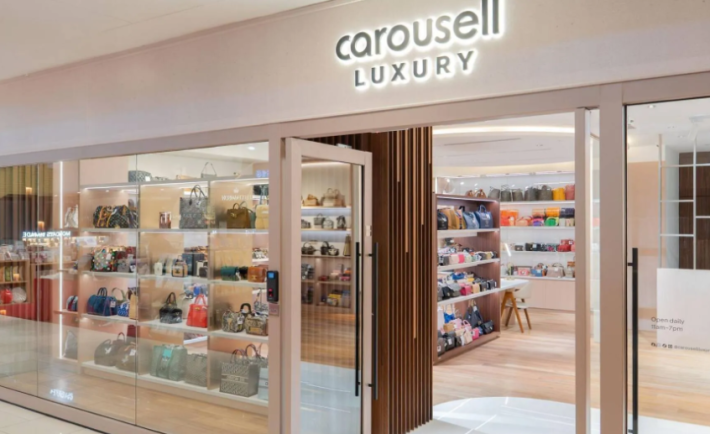
Home-grown online marketplace Carousell Group is stepping further into the world of luxury with the opening of Carousell Luxury, its first branded retail store for pre-loved or second-hand designer handbags, located in the heart of Orchard Road.

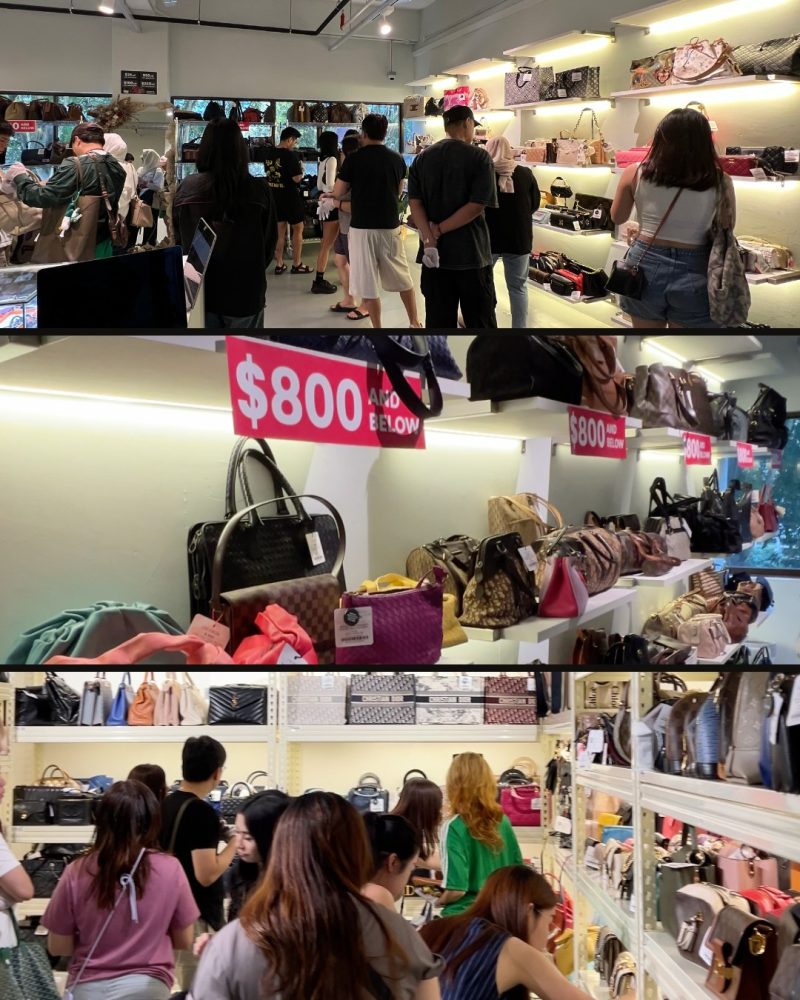
The 1,400-square-foot boutique at The Centrepoint officially opened last September 23, 2025. Inside, shoppers will find an elegant collection of pre-loved handbags, wallets, pouches, and scarves from coveted labels such as Louis Vuitton, Chanel, Hermes, and Yves Saint Laurent.

Carousell Group already operates LuxLexicon, a high-end resale platform it acquired in 2024 that focuses on designer bags and luxury watches, with a physical outlet at Palais Renaissance, also along Orchard Road. I recently shopped on LuxLexicon’s website and purchased a Gucci GG Marmont Mini Blue Crossbody Bag in excellent condition (i.e., free of visible flaws), for S$650 plus a S$15 local delivery fee. The price point felt more than fair, given the piece’s pristine condition and the enduring heritage of the Gucci brand.

According to Tresor Anne Tan, Carousell Group’s director of client relations, the new store reflects a shift in consumer behavior toward mindful luxury spending. Buyers are paying less for items that would otherwise cost double or triple in the brands’ boutiques. “Many are pleasantly surprised by how pristine these pre-owned bags are, often in near-new condition,” she said.

Image Credits:
facebook.com/carousellluxury

Each item goes through a meticulous authentication process by a five-member team of professional appraisers who verify every detail, from materials and stitching to embossing and hardware.

For sellers, Carousell Luxury uses a net-earnings consignment model, meaning consignors know exactly how much they will take home once their item sells. Prices are aligned with current market rates, while Carousell takes a 25% to 30% commission to cover in-store operations, marketing, and professional product photography.

Prices for handbags start at around S$800, with highly sought-after pieces such as the Chanel Wenge Wood Vanity, Louis Vuitton x Yayoi Kusama OnTheGo, and limited-edition Dior Saddle Bag featured in the lineup. Personally,

Have a luxury bag gathering dust at home? Carousell Luxury’s trade-in, consignment, and buy-out programs offer a quick way to turn those treasures into cash, with valuation done in as little as ten minutes.

Image Credits:
facebook.com/carousellluxury

Carousell Luxury is located on the first floor of The Centrepoint and is open daily from 11 a.m. to 7 p.m. Stay updated with every drop on Instagram: @carousellluxury.

Sources: 1 & 2


Read More...

Singapore’s Homegrown Brands That Found Global Fame

The little red dot may be small, but its influence stretches far beyond its borders. For decades, Singapore has quietly been producing brands that not only define local identity but also win admirers overseas. These are names you have likely seen on Orchard Road or in your neighborhood mall, but what makes them remarkable is how they have grown from homegrown concepts into international players.

One evening, as I scrolled through Instagram, I stumbled upon a vintage listing of a Risis brooch from the 1980s. At first, I assumed Risis was a newcomer that had sprung up after the pandemic. To my surprise, the brand has been in operation since 1976, when it debuted at TANGS Orchard and sold thousands of its signature gold-plated orchid brooches within days. Risis even captured royal attention, presenting its orchids to Princess of Wales Diana in 1982. Personally, its delicate Vanda Limbata and Doritaenopsis Summer Red orchid brooch pendants (i.e., both plated in 24-karat gold and priced at S$140), are the ones I gravitate to the most.

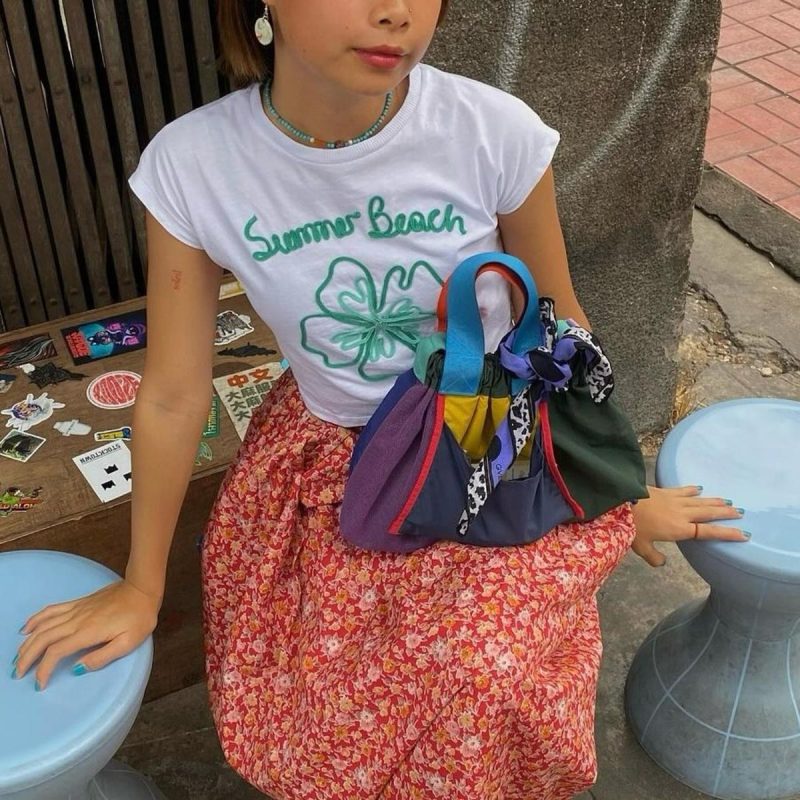
Another name that resonates strongly with a younger crowd is Beyond The Vines. Founded in 2015 by husband-and-wife duo Daniel Chew and Rebecca Ting, the label began as a womenswear brand before evolving into a lifestyle powerhouse. Its Dumpling Bags, which start at S$69, became viral sensations for being practical, stylish, and surprisingly collectible. The philosophy behind the brand is simple but powerful: to make good design “accessible to all”. That vision has helped it expand into markets like Thailand, Indonesia, the Philippines, and Australia, proving that thoughtful design travels well across borders.

Image Credits: instagram.com/beyondthevines

Of course, no conversation about Singaporean exports would be complete without Tiger Beer. First brewed in 1932, Tiger has grown into a symbol of bold Asian flavor, now enjoyed in more than 50 countries. Brewed under Asia Pacific Breweries, the lager is celebrated for its full-bodied taste and rigorous brewing process. At under S$4 a bottle in local supermarkets, it remains an everyday favorite at home while standing as a premium Asian beer abroad.

Charles and Keith is another brand that transformed humble beginnings into global recognition. Established in 1996 by brothers Charles and Keith Wong, the label began as a modest shoe store at Amara Shopping Centre. Fast forward to today, and the brand is a global fashion force, with a presence from Tokyo to Mexico City. Known for staying ahead of trends while keeping prices accessible, the brand continues to draw in customers with bestselling bags, sandals, and accessories. Lucky for you! Bestsellers like the Koa Square Push-Lock Shoulder Bag in pink (S$34.90), Chain-Strap Pointed-Toe Slingback Flats in black (S$41.90), Samala Triple-Strap Sandals (S$48.90), and the Pony Hair & Leather Ring-Handle Bag (S$135.20) are currently on sale on their website.

Image Credits: facebook.com/charleskeithofficial

And then there is TWG Tea, a name that has come to embody luxury in a cup. Founded in 2008, the brand is unmistakable with its iconic yellow packaging and exquisite presentation. Offering more than a thousand varieties of tea, along with patisseries and fine dining, TWG has carved out a niche in markets as diverse as Japan, France, the United Kingdom, and the United Arab Emirates. It is an experience as much as it is a beverage, one that has positioned Singapore as a global tastemaker in the tea industry.

Even everyday staples have found their way abroad. BreadTalk, the bakery that many Singaporeans consider a fixture of daily life, has expanded across Asia with its famous floss bun and inventive pastries. With dozens of outlets in Singapore and a growing footprint in markets like Thailand and Myanmar, BreadTalk proves that comfort food transcends cultural borders.

Image Credits: facebook.com/breadtalksingapore

What ties all these brands together is not just their Singaporean origin but their ability to balance authenticity with global appeal. From the timeless elegance of a gold-plated orchid to the everyday joy of a floss bun, each brand carries a story of local pride and global ambition. Which brand captures your heart the most?

Sources: 1,2, & 3

Read More...

How Small Splurges Sabotage Your Wealth

How do you stop yourself from buying things you don’t really need?

At first glance, a harmless splurge seems insignificant. A new gadget, the latest iPhone release, or another bag charm that costs less than a night out may not feel like much. Yet in reality, these purchases often represent a much bigger loss. You’re losing the wealth you could have built if that money was directed into savings, investments, or assets that appreciate over time.

Impulse buying is rarely about the item itself. It is often emotional. A rough day invites a reward. A good day feels like it deserves a celebration. Sometimes boredom sparks an online shopping scroll, or grief fuels the desire for quick comfort. Retailers understand this psychology well and they engineer marketing strategies to capitalize on it. Limited releases, fear of missing out, and aspirational advertising are carefully designed to convince you that your life will be better if you just own one more thing.

The problem is that these “little luxuries” add up. Think about it this way: that S$35 accessory might not break the bank today, but what if you invested that same amount every month into a market index fund or a high-yield savings instrument? Over the years, compounded returns could turn those bag charms into the down payment of a property or the seed capital for a business.

That is the hidden cost of impulse spending. It is not just the price tag, it is the opportunity cost.

One practical strategy is to pause before buying. Walk away, take a breath, and ask yourself how many hours of your life it took to earn that money. Then consider what the same effort could generate if invested instead of spent. When you reframe a purchase in terms of time and opportunity cost, the urgency to own it often fades.

Avoiding temptation altogether is even more powerful. I no longer go shopping just to look or browse online sales for fun. Shopping without intention is like walking into a casino where the odds are designed to make you lose.

The truth is that marketing encourages us to believe more possessions equal more happiness. When viewed through a financial lens, the equation is very different. Every unnecessary purchase reduces your ability to grow and secure long-term freedom.

You see, wealth is rarely built on how much you earn. It is built on how much you keep and how wisely you grow it. Learning to say no to unnecessary spending is not about deprivation. It is about redirecting your resources to things that create real value such as investments, experiences that bring lasting joy, and relationships that cannot be bought.

Dream big and pursue your ambitions. But remember this: wealth is not measured by what sits in your shopping cart. It is measured by the assets you accumulate, the businesses you build, and the freedom that comes from financial independence.

Image Credits: unsplash.com

The smartest investment decision you can make today may simply be this. Do not buy what you do not need!

Read More...