Is Your Life Insurance Enough to Support Your Family?

Life in Singapore moves quickly, and with it comes the responsibility of safeguarding the people who depend on you. Life insurance protects your loved ones when you are no longer able to do so yourself. Still, many people wonder if the coverage they have today would truly be enough.

Whole life insurance has gained popularity among Singaporeans because it provides lifelong coverage and combines protection with the opportunity to build cash value over time. A portion of the premiums you pay goes into investments, allowing the policy to grow in value and be used later. This value may include guaranteed benefits and in some cases non guaranteed bonuses, depending on the type of whole life plan. If necessary, the cash value can be accessed during emergencies or used to pay future premiums. However, loans taken from the policy must be repaid with interest, and failing to do so may slow future growth and reduce the amount available.

Participating whole life plans share in the profits of the insurer’s participating fund. These profits are distributed to policyholders as dividends or bonuses. While they offer the potential for attractive growth, these bonuses are not guaranteed and depend on the performance of investments in the fund. In contrast, non participating policies focus on stability and offer guaranteed benefits without bonuses. Choosing between the two depends on your risk appetite and expectations for long term returns.

Term life insurance provides a simpler alternative. It offers coverage for a set period and is typically more affordable since it does not invest part of the premium. Many families select term insurance to cover key life stages, such as raising children until they become financially independent or supporting elderly parents. Because it does not build cash value, term insurance works well for those who only want pure protection without an investment component.

Image Credits: unsplash.com

The amount of protection you need depends on the sum assured, which is the payout your family would receive if you pass away or suffer total and permanent disability. If you are the primary income provider, you may require a higher sum assured to ensure your family can continue living comfortably. If your household has multiple income sources and relies less on yours, a lower amount may be sufficient. Coverage can remain fixed for the policy’s duration or decrease gradually, such as in mortgage reducing plans that are designed to cover home loan balances until they are fully paid.

To determine the right level of coverage, start by looking at your family’s lifestyle and financial commitments. Consider the monthly expenses needed to maintain their standard of living. Think about potential medical or care costs that may arise. Add unpaid liabilities such as home loans or personal debts. Then assess the assets already available, including savings, investments, and government support schemes.

Singapore provides several programs to help families in difficult times. The Dependants’ Protection Scheme automatically covers Singaporeans and Permanent Residents who have made their first CPF working contribution and offers a payout of up to $46,000 in the event of death, terminal illness, or total and permanent disability. Home buyers who use CPF to finance their Housing and Development Board loan may be protected under the Home Protection Scheme, which covers outstanding housing loan instalments until the loan is fully paid.

Image Credits: unsplash.com

Protecting your family remains one of the most meaningful financial decisions you can make. Whether you select a lifetime policy that grows with you or a term plan that offers straightforward coverage, the key is choosing a solution that fits your family’s needs and allows them to continue life with dignity should the unexpected happen.

Sources: 1 & 2


Read More...

Should You Treat Your Marriage Like a Business Merger?

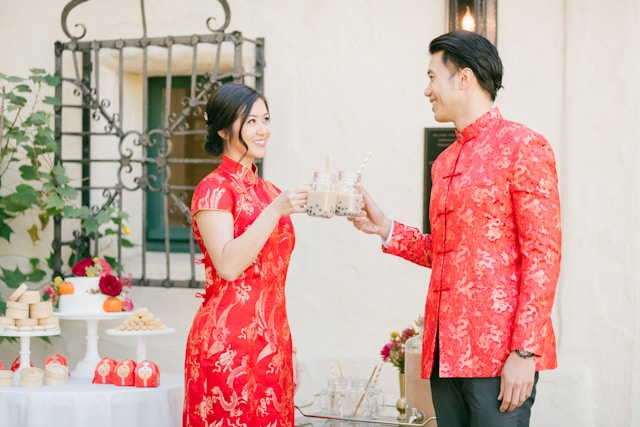
In Singapore, romance often begins not with a ring but with a Build-To-Order flat application. The path to marriage is planned around housing launches, savings goals, and government timelines. Love here is not only a feeling; it is a strategy. For instance, the HDB Hub in Toa Payoh has quietly become a symbol of modern commitment, where couples line up to submit forms that will shape their shared future.

Many have started to describe marriage as a kind of business merger, and it is not a far-fetched comparison. Marriage is both a legal and financial contract that joins two people into one entity. Just as companies merge to consolidate assets and increase stability, couples combine their income, savings, and responsibilities to build a life together. They plan mortgage payments, contribute to their CPF accounts, and share financial goals that mirror the structure of a joint venture.

Image Credits: unsplash.com

A marriage certificate, like a business contract, formalizes this partnership. Both parties carry duties, rights, and obligations that define the relationship. In many ways, the process mirrors corporate due diligence. Before deciding to commit, couples evaluate each other’s background, financial history, and long-term direction. Factors such as career plans, family expectations, and financial habits need to be considered because these can influence the success of their union. Love may be emotional, but it exists in a world of real costs and commitments.

Still, marriage cannot be reduced to a financial transaction. Unlike a merger built on profit and loss, marriage draws its strength from emotional connection. It is sustained by care and shared growth. The most valuable outcomes are not measured in dollars but in trust, companionship, and resilience through changing circumstances.

Image Credits: unsplash.com

It is easy to see why practicality plays such a large role in romance. Housing policies have made home ownership a major milestone for couples, linking proposals to property applications. Among young adults, the question “Are you thinking of marriage?” has often been replaced with “Are you thinking of getting a BTO?” The sequence is predictable, but it reflects a deeper understanding that love here must coexist with planning.

This kind of love may not appear spontaneous, but it has its own form of romance. When a couple decides to apply for a flat together, they are declaring a long-term commitment to build a shared future. The Singaporean proposal becomes less about surprise and more about mutual intention.

Like any partnership, marriage requires adaptability and honesty. There will be disagreements and moments when visions do not align. Yet the most successful relationships (much like strong companies) thrive when both sides are transparent and flexible.

Image Credits: unsplash.com

The real insight is that marriage deserves the same attention and respect as any serious investment. However, it should never lose its emotional foundation. Love, unlike money, appreciates in value when it is shared and nurtured. Ultimately, marriage is the most meaningful investment two people can make together.

Sources: 1 & 2


Read More...

Money Talks Every Couple Must Have Before Marriage

Money is more than dollars and cents. In marriage, it reflects values, priorities, and shared dreams. With rising costs of homes, cars and childcare, financial compatibility is a necessity. Love may be blind, but bank accounts are not.

Before stepping into marriage, it is critical to put everything on the table. Debts, assets, income, and even the less glamorous realities such as credit card balances or study loans should be disclosed openly. It may feel uncomfortable at first, but transparency is the foundation of trust.

Imagine planning for a BTO down payment only to discover hidden liabilities later. The fallout can fracture not just finances but also the sense of partnership. Equally important is understanding how each partner treats money. One may be a saver who carefully monitors every dollar while the other could see money as a tool for indulgence. Neither is inherently wrong, but a lack of alignment often leads to friction. Recognizing these patterns early allows couples to assess whether their financial goals truly complement each other.

Image Credits: unsplash.com

Once married, the financial conversation evolves. Couples must establish a joint budget that covers fixed commitments such as rent or mortgage, insurance premiums, and car payments. These are the essential expenses that keep a household running. Beyond that, couples also need to navigate variable costs like groceries or utilities and decide how to handle discretionary indulgences. Whether that is a weekend brunch at Dempsey Hill or a spontaneous trip to Bali. The key lies in creating an arrangement that feels fair. Some couples prefer to pool all resources into a shared account, while others split expenses equally or contribute proportionally based on income. What matters is that both partners feel respected in the chosen structure.

Not everything in a marriage’s financial life should be rigid. There is always room for negotiation. For example, while saving for retirement may be non-negotiable, the exact amount put aside each month can be adjusted according to changing circumstances (e.g., job transition or the arrival of children). This balance makes it possible for couples to thrive without feeling suffocated by financial rules.

Image Credits: unsplash.com

At the heart of these conversations lies something deeper than money itself: values. Respect is the bedrock of every healthy relationship, especially when disagreements arise. Respect does not mean uniformity, it means acknowledging and accepting differences without harsh judgment or attempts at control. Trust, too, is indispensable. It reassures both partners that financial decisions are made with the family’s best interest in mind, not hidden agendas or self serving motives. Finally, honest communication weaves everything together.

As psychologist Dr. John Gottman has long emphasized, couples who communicate openly, who share their feelings, listen actively, and respond with empathy are far better equipped to handle financial disagreements. Without this, even the most carefully planned budget will crumble under the weight of unspoken frustrations.

Image Credits: unsplash.com

For couples, money conversations are not optional. They are the lifeline of a stable partnership. Love may begin with sparks and chemistry, but enduring marriages are built on shared vision, mutual respect, and a willingness to be transparent about the things that matter most.

Sources: 1 & 2


Read More...

How to Keep Your Friendships in Your 30s

No one really prepares you for how drastically your social life changes once you hit your 30s. I realized this at 31, when I looked back at how different my friendships felt compared to just a few years ago. In my 20s, life revolved around dinners with friends, weekend getaways, and late nights in the malls. But slowly, the circle began to shift. Some friends got married (myself included), others moved away, and many became consumed by work or family. A few had children, and their lives naturally settled into a different rhythm.

At first, it was a transition. How could people I had shared so much of my life with suddenly become unavailable? But as I sat with it, I realized it was not a rejection of our bond. It was simply life unfolding. Priorities shifted, responsibilities grew heavier, and friendships that once had all the time in the world had to fight for space alongside careers, families, and personal well-being.

The truth is, friendship in your 30s requires a recalibration. You cannot expect the same frequency of meetups or the same spontaneity you had when you were younger. What you can cultivate instead is quality. Think moments of connection that feel present and intentional. A long brunch every few months, a heartfelt conversation over kopi after work, or even a voice note that says, “I’m thinking of you.” These smaller, thoughtful gestures often mean more than constant chatter.

I also discovered that no single friend can meet every need. In my 20s, I leaned heavily on a few close friendships for everything from laughter to advice as well as from nights out to deep talks. But in my 30s, I learned to diversify. I think of it as building a personal board of directors for my social life. Some friends are the ones I call for career advice. Others are great for a badminton match on the weekend. A few are there for long conversations about family, relationships, or dreams. Spreading this out makes each friendship lighter, healthier, and more sustainable.

Image Credits: unsplash.com

Of course, friendships evolve. A friend with children may not be able to join in late-night suppers anymore, but perhaps you can visit their home and spend time with the family. A friend who is between jobs may not be keen on expensive dinners, but you can invite them over for home-cooked meals. Being flexible, patient, and willing to adapt keeps the friendship alive even when lifestyles no longer align perfectly.

I also found that integrating friendships into your lifestyle is key. It is much easier to maintain bonds when they are built into your routines. Joining a regular fitness class, participating in a community group, or attending cultural events provides natural opportunities to see familiar faces and form deeper connections over time. That could mean joining a running club along the Marina Bay stretch, signing up for pottery workshops, or simply becoming a regular at your favorite hawker stall where the conversations eventually go beyond small talk.

Image Credits: unsplash.com

And sometimes, it is about embracing new forms of connection. A short video call, a late-night text, or sending a funny link can keep the thread alive. The medium matters less than the intent. What counts is showing up, even in small ways, and letting your friends know you are still invested in their lives.

Keeping friendships in your 30s takes more effort, but the rewards run deeper. You realize that the people who want to be in your life will make the time, just as you will for them. What once revolved around convenience now rests on choice. And that makes every coffee, every conversation, and every shared moment feel all the more valuable.

Read More...