How To Generate Income Through Facebook

Whether you are addicted to Facebook or not, you can generate income or at least increase your network through this platform. Facebook enables you to connect to potential clients and helps you to develop close relationships. However, you must remember that Facebook is only a part of the strategy.

You still need to market through face to face interactions or through phone conversations. Clients need to feel a personal touch to your products or services. Nonetheless, here are some ways to generate income through the infamous Facebook.

Firstly, you must use Facebook Messenger to stimulate conversations with potential clients. Messenger is like email, but better. It is a way to quickly talk to your clients while attaching documents and stickers. You may highlight your promotions or send a group code to your clients. If you have not spoken to a “friend” in a while, you must renew the relationship first. You do not want him or her to feel like you are only reaching out for business.

Secondly, you must sustain the friendly conversations. Keep the conversation going by thanking your clients for their responses. Provide pictures, videos, and additional information on your products or services. If you do not hear back from them, you may send a “wave” a week after. Ask if they want to know the next step for successful purchase. Be patient.

Thirdly, you must create an enticing Facebook page. Fill your business profile with attractive pictures, genuine reviews, and witty captions. Edit your cover image, profile image, and about section properly. Exude your brand’s personality through the images. While, the about section shall dictate your credibility.

Lastly, you must put your profile on public. Your goal is to let your friends know what you do or what you offer. Let them feel that you can help them. For instance, you may write a similar post if you are a real estate agent.

“Hello there! I love helping people find their dream home. If you know anyone that needs assistance in real estate, please message me.”

Image Credits: unsplash.com

Keep things short and simple. Interested clients will surely message soon after!

Source: inc
Read More...

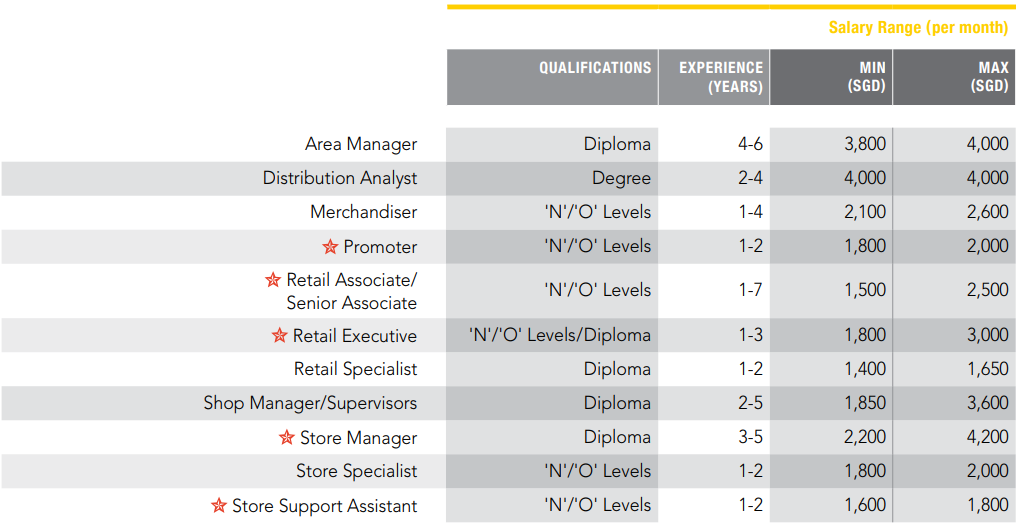
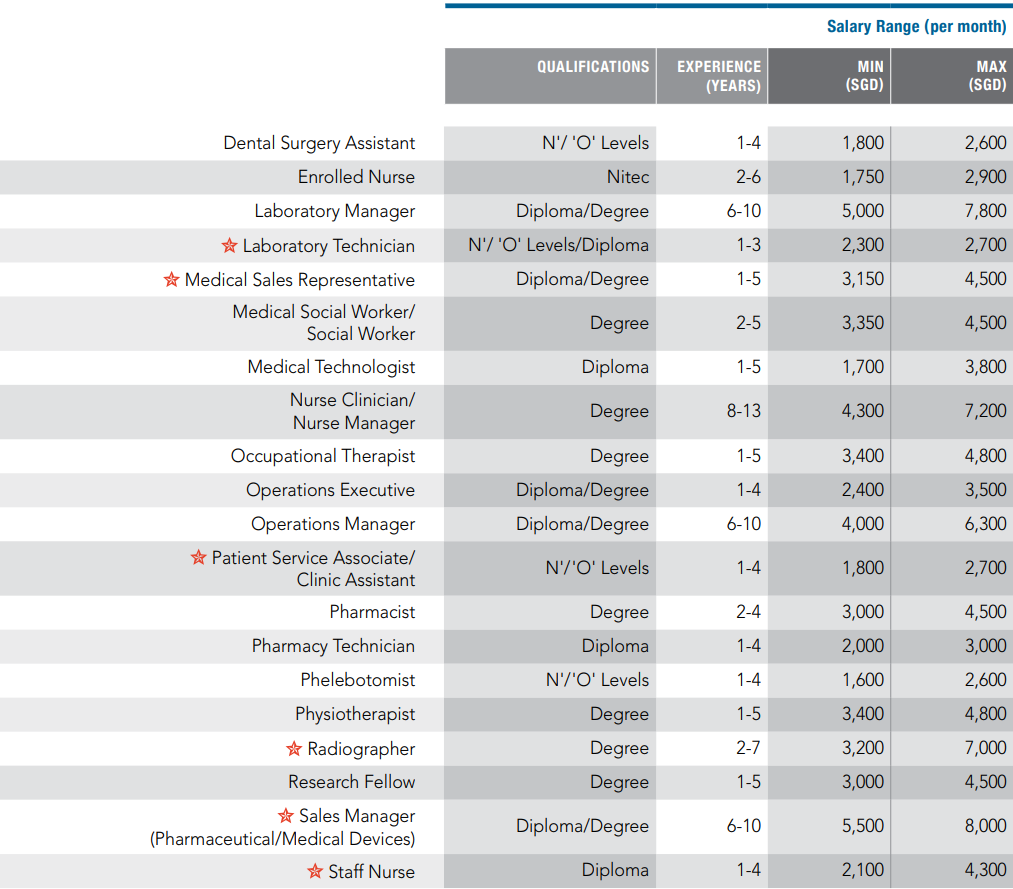
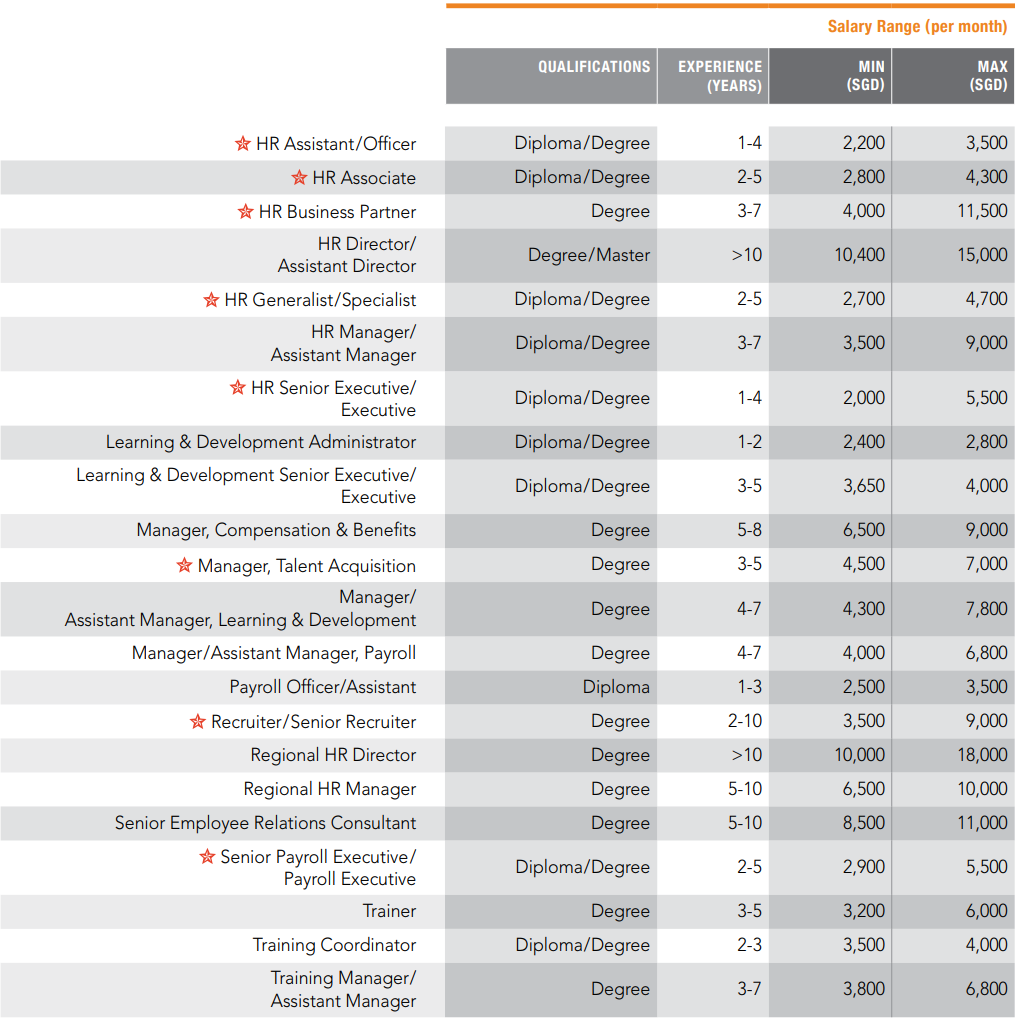
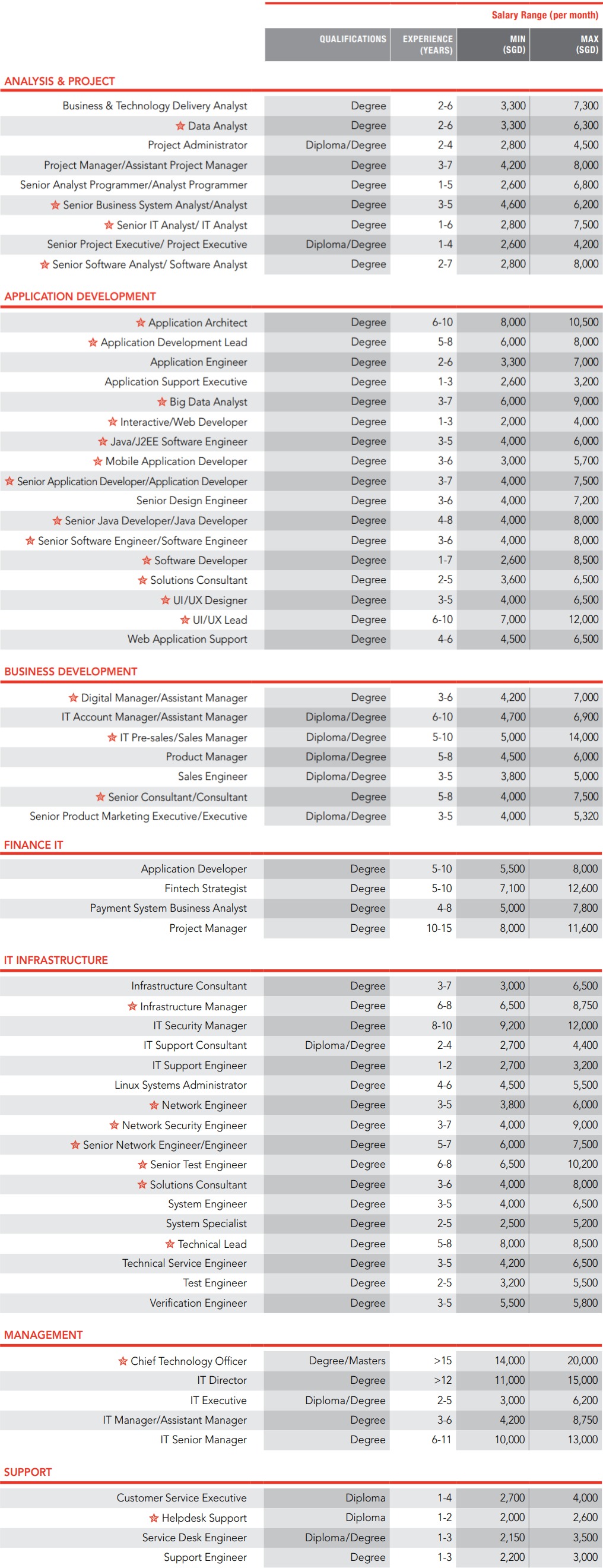
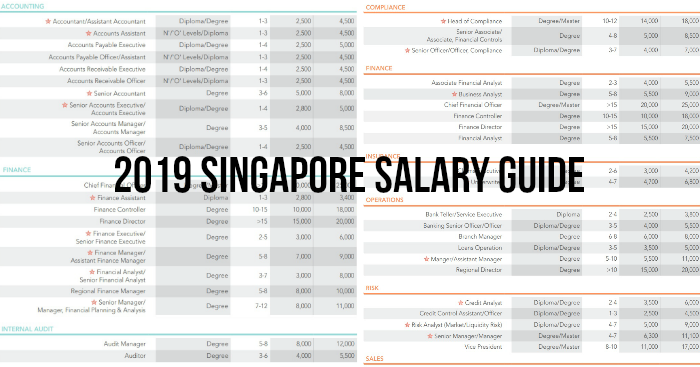
Salary Guide 2019: This is what you should be paid in Singapore

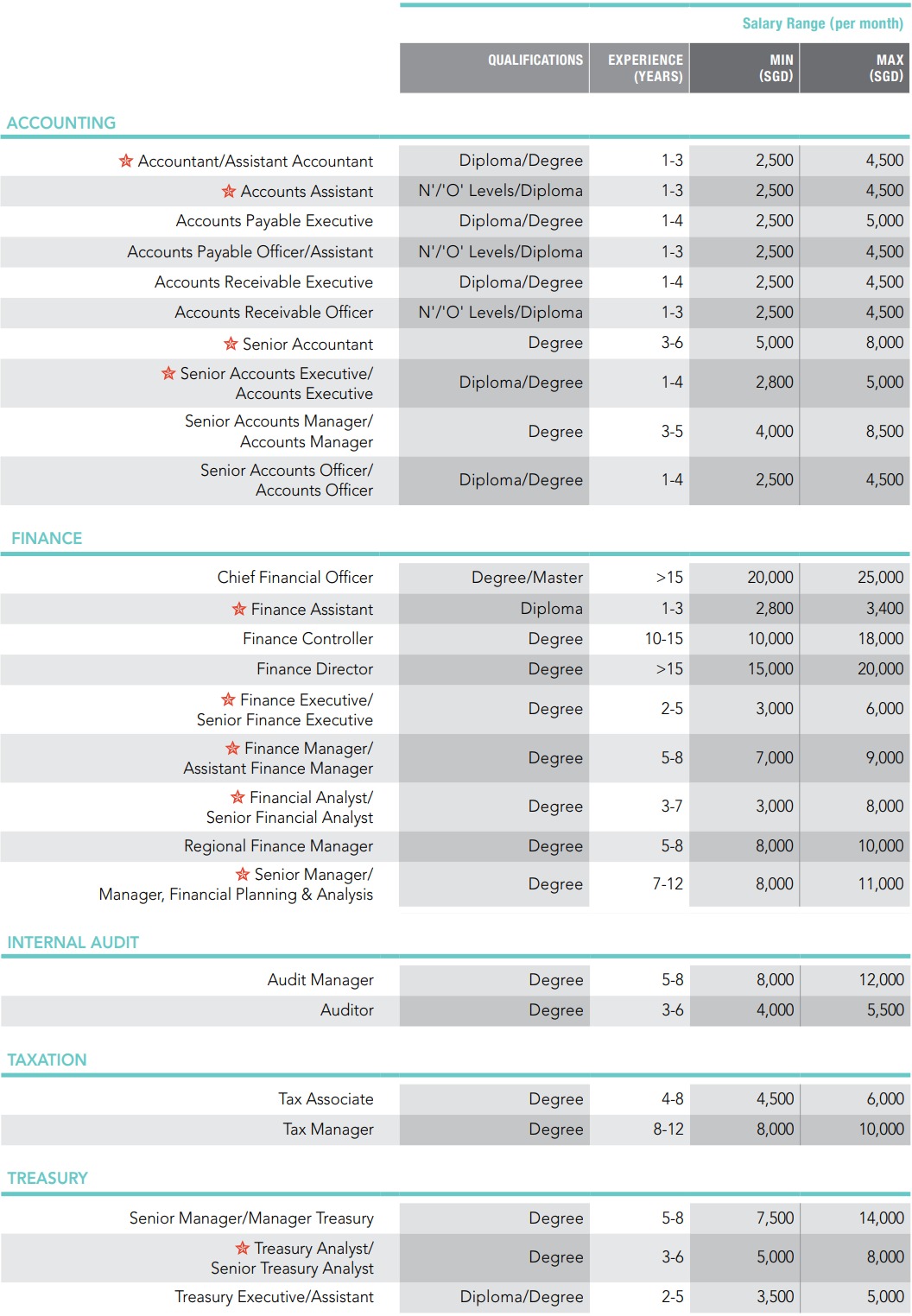
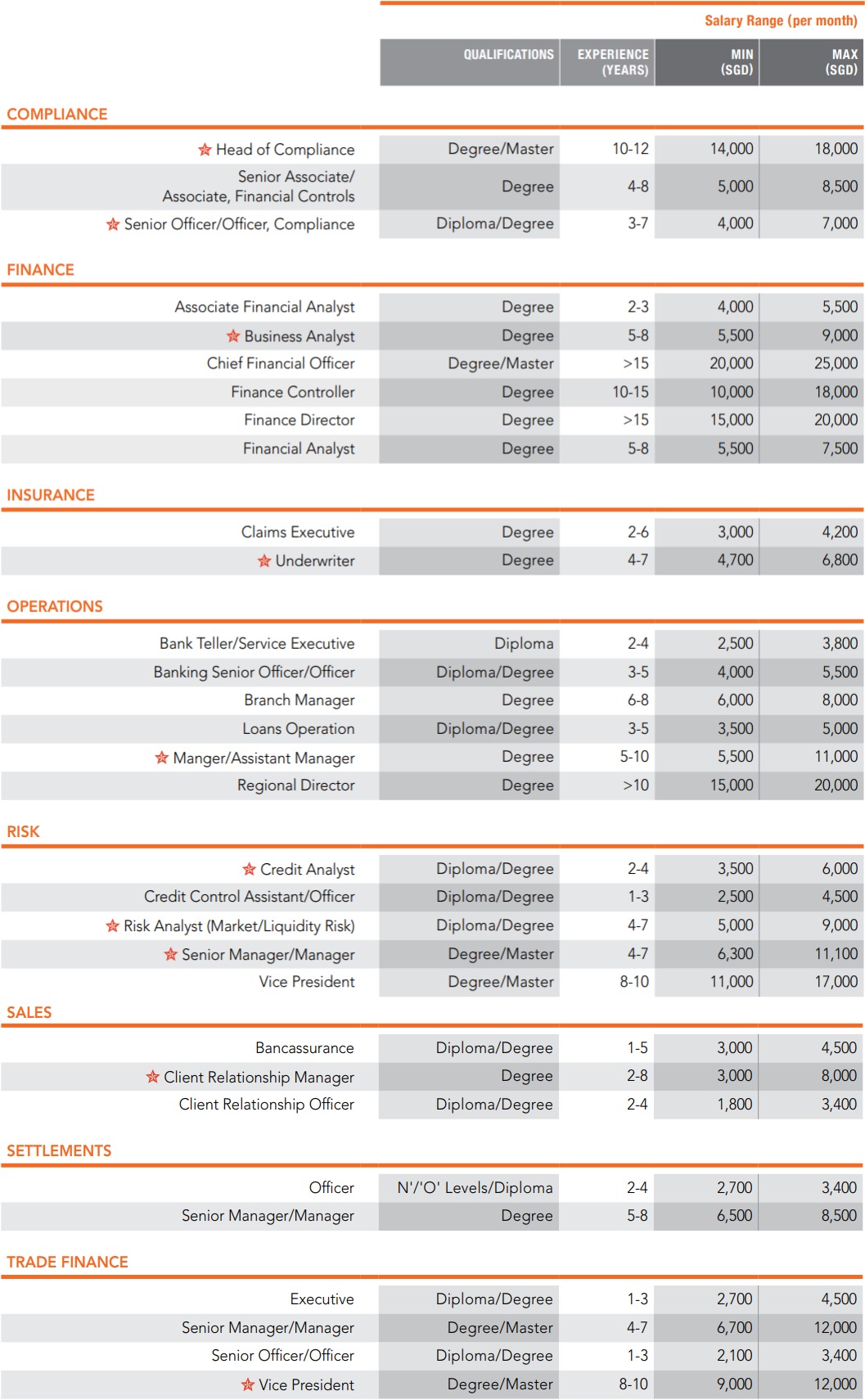
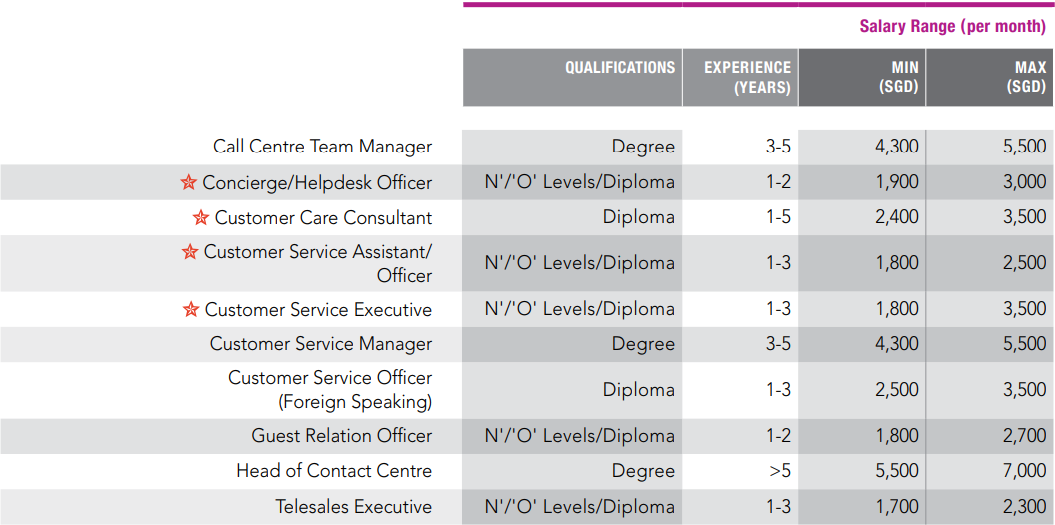
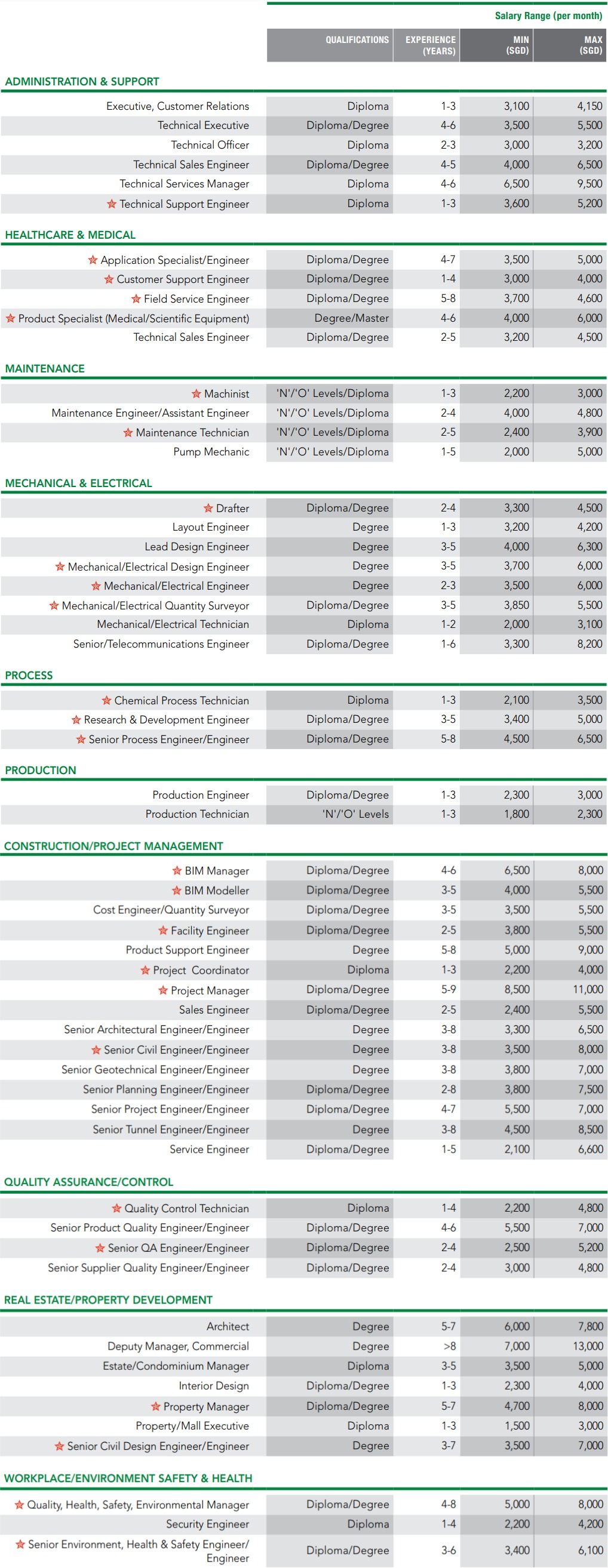
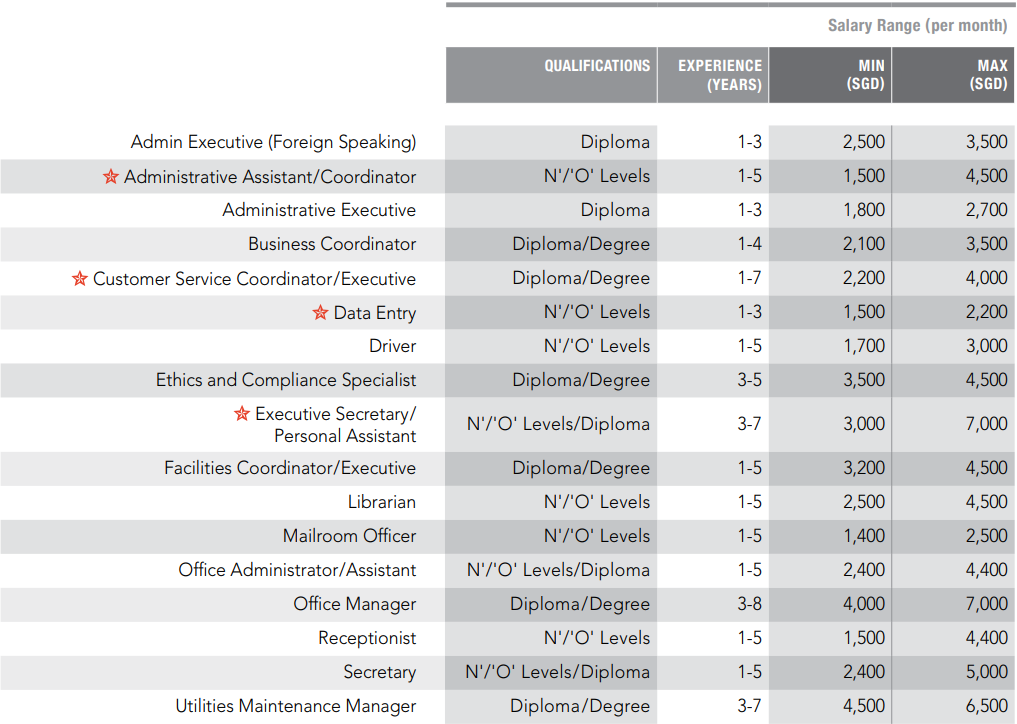
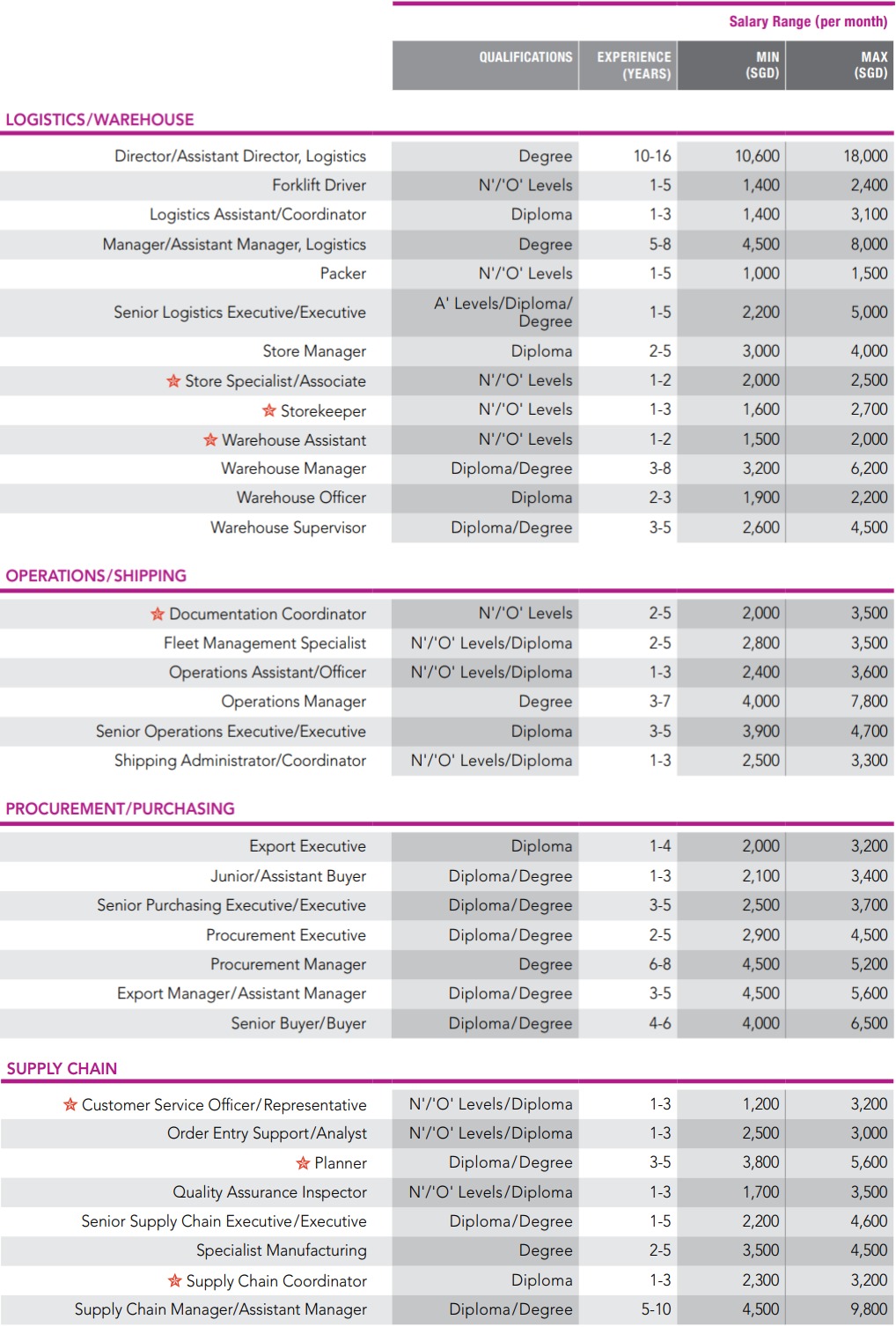
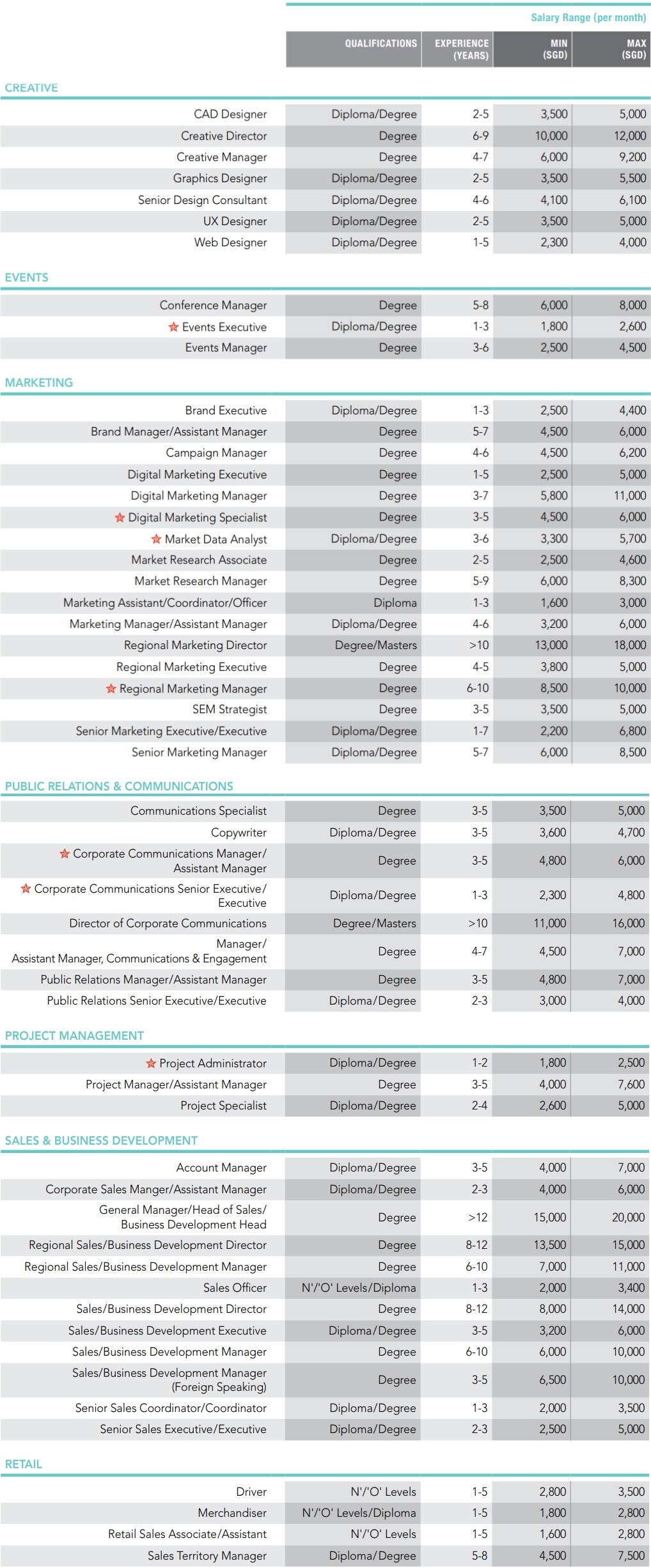
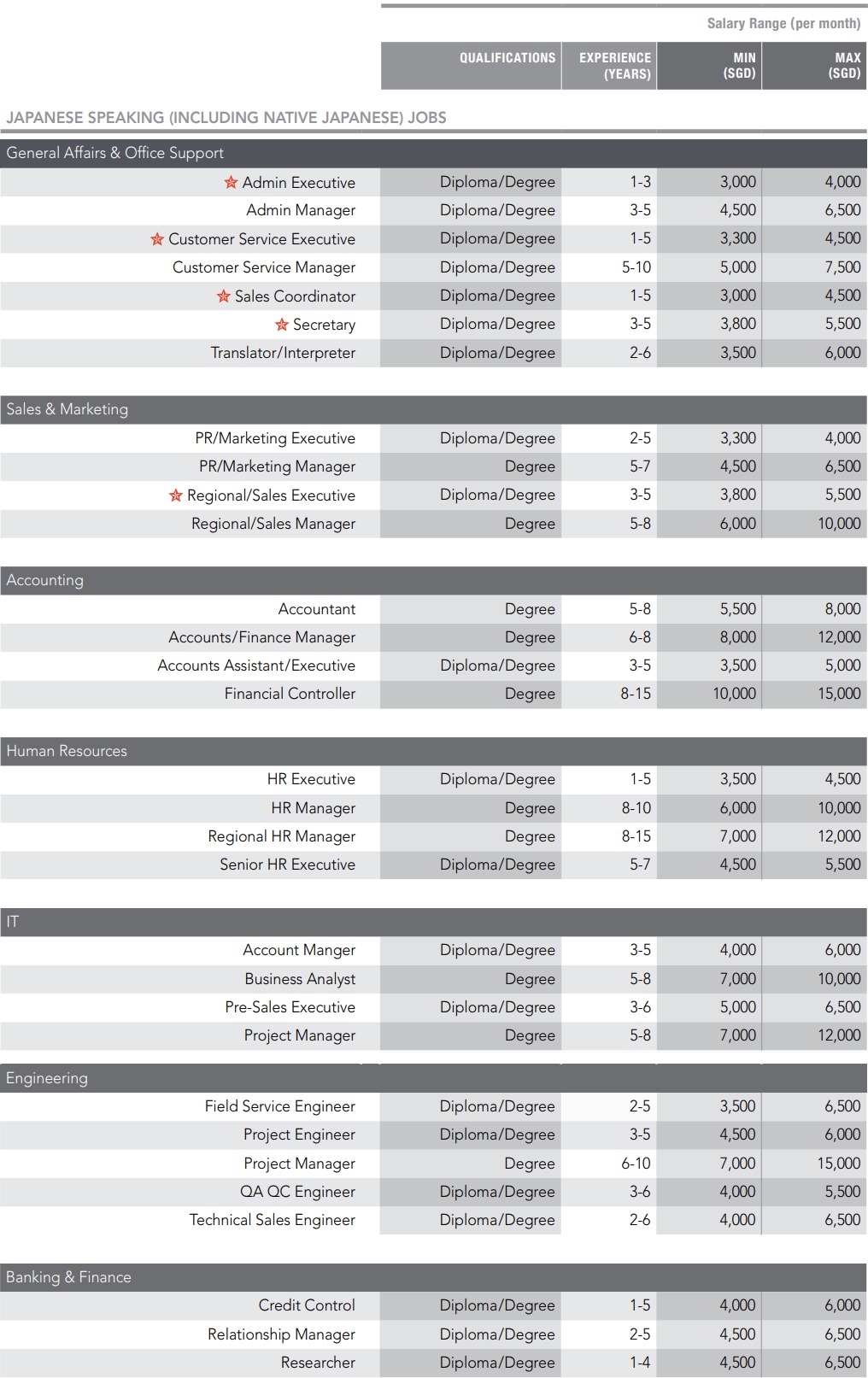
Want to see how you compare amongst your peers, check out this salary guide by Kelly Services.

This guide is a comprehensive reference tool which provides an insight into the latest salary trends for various positions across industries in Singapore. The data presented in this guide is derived from the careful compilation and analysis of thousands of placements Kelly Services performs every year, supplemented by the expert market knowledge of senior recruitment professionals and meticulous industry market research.

Accounting

Banking & Finance

Customer Service

Engineering & Technical

Fast-Moving Consumer Goods (FMCG) & Retail

Healthcare & Life Sciences

Human Resources

Information Technology

Office Support

Procurement, Supply Chain & Logistics

Sales & Marketing

Japan Desk


Download the full 2019 Singapore Salary Guide by clicking here now.

Read More...

Why Is It So Hard To Save?

With the surge of expenses from left to right, many find it difficult to save money on the side. The difficulty arises not only due to the lack of self-control, but also due to our perception. Harvard Economics Professor Sendhil Mullainathan tells CNN Money that “it is human nature not to save, but we can get better at it”.

#1: ACCEPTANCE

The first step to building your savings is acceptance. Accept your current financial situation and today’s economy. Whether you admit it or not, saving money is harder than ever. As prices in Singapore increase, we have less “disposable” income that we can allocate to our financial goals.

Acceptance of these will enable you to focus on the future priorities rather than focusing on the urgent expenses. You can automate your savings and allocate it to your retirement or education funds. I suggest you start small with the “52 Week Money Challenge”. This challenge encourages a slow and steady approach to saving money.

#2: REMOVAL

The second step to building your savings is to remove unnecessary elements such as your multiple credit cards. It is no surprise that saving money is hindered by the accessibility of credit. You see, our cashless society diminishes our appreciation for every dollar that we spend. Credit cards enable us to spend money before we save. And, there is no going back!

Not to mention, credit cards enable us to subscribe to monthly services such as video and music streaming. Our subscriptions add up! Every dollar you spend on meal delivery or Taobao delivery add up. What’s more? It can be difficult to cancel a monthly service that you forgot to sign up for. Just take caution with your plastics!

#3: RESET

The last piece of the puzzle is our perception towards savings. Many Singaporeans think that saving is challenging because it requires a heroic feat of tightening one’s budget. In reality, saving money can be done gradually. It should not be driven by sacrifice. Instead, it should be driven by opportunities harnessed by self-control.

For instance, you may save money without being conscious about it all the time through automation. You can automate a specific amount of your salary for it to go straight to your savings account. You cannot spend what you cannot see!

Image Credits: pixabay.com

Reset your perceptions about saving money. There are benefits to moving forward. And, moving forward you must do!

Sources: 1 & 2

Read More...

S$1.00 = AUD1.05: Singapore dollar stronger than Australian dollar

1 Singapore dollar can now get you 1.05 Aussie dollar

Planning for a trip to Australia? This is a good time to visit the money changer.

The Singapore dollar rose to a 4-month high against the Australian dollar since the last time it hits S$1.00 = A$1.051 in January this year.

If we look at the 10-year chart, you can see that it is near its peak.

The decline of the Australian dollar is probably due to the result of the trade war between China and US. Australia’s economy is dependent on exports of its natural resources and a dampen China’s growth prospect will definitely affect the dollar.

If you are a prospective student going to Australia for your studies, good for you.

Read More...

Teen-Friendly Books About Investments

Whether you like it or not, you are expected to know what you want to do for the rest of your life the minute you graduate from secondary school. It is understandable to strive for the highest paying field or job possible. However, that is not always the case.

If you were to invest money at a young age, you can build a nest that is enough to sustain a comfortable lifestyle in your adult years. This may lessen the pressure you feel when choosing a career path. To begin your investment journey, you must read books aimed at young investors.

PERSONAL MONEY MANAGEMENT

Cary Siegel put an interesting twist to money management with the book entitled: “Why Didn’t They Teach Me This in School? 99 Personal Money Management Principles to Live By”. To Siegel, proper money management in accordance to the economy is an important lesson that the youth shall know. He imparts this knowledge by dividing his lessons into 99 principles. Said principles include investing, housing, spending, debit, credit, and budgeting. I, for one, am curious why these practical life skills are not taught in today’s curriculum.

You will get a sense of how to handle the financial aspects of your life as you read along. By combining solid advice on money and adulthood, your curiosity will be widened.

COMMON SENSE INVESTING

Looking for the perfect investment book for young adults? Search no further as John Bogle’s “The Little Book of Common Sense Investing” details the fundamentals of investing! It describes a plain approach that anyone can implement to achieve above average returns.

For people who are risk-takers, his methods may seem too simple. Consider studying further. After all, Warren Buffett included this book on his recommended reading list.

THE WARREN BUFFETT WAY

There is a reason why Warren Buffett’s name cannot be erased in the list of legendary investors. You see, he adapted his own investing style that lasted throughout the years.
It goes without saying, his results have been extraordinary!

His strategy was encapsulated in a book entitled “The Warren Buffett Way”. This books highlights how he invested in the past and in the present. For the young adult who wants to invest in businesses, the insight into Buffett’s thought process is of tremendous value.

MAKE MORE MONEY THAN YOUR PARENTS

Before Christmastime, a financial book from The Motley Fool entertainment was released to serve as the perfect Christmas gift for young adults. First and foremost, The Motley Fool is a “multimedia financial services company that has made investing fun and easy for millions of people since it was founded in 1993”. It aims to share information on how to efficiently manage your money.

David Gardner’s “The Motley Fool Investment Guide for Teens: 8 Steps to Having More Money Than Your Parents Ever Dreamed Of” is not as funny as it sounds. It is a piece of literature that gives you a guide to outperform your parents’ current professional success. It provides teens with a road map for sketching a financial journey from investing to saving or from budgeting to spending. Ultimately, it reminds the youth that every money spent is an investment. You have to make it count!

Image Credits: pixabay.com

The books listed above offer practical and understandable suggestions, solutions, and hacks about finance. I hope that these books may serve as an inspiration when you start your investment journey. Good luck!

Sources: 1 & 2

Read More...