Tuition is a long-term investment.

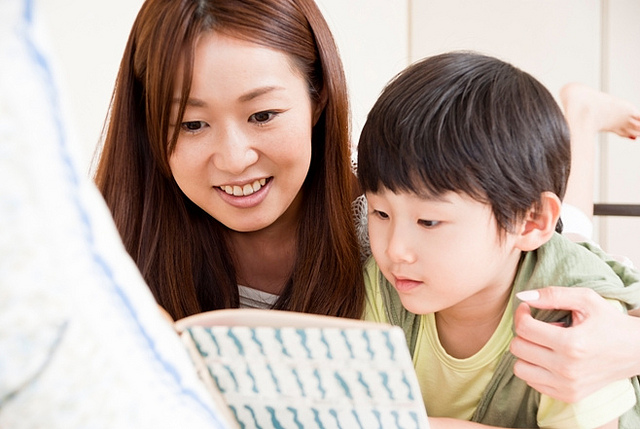
For decades, parents have found themselves weighing up the pros and cons of higher education. They have hesitated before encouraging their children to pursue a degree, questioning whether the value they might get out of a university education will ever actually outweigh the fees of attending that college – and whether it will justify life-long debt. But the reality is that tuition is unequivocally a long-term investment and when evaluating the return on investment into a higher education, there should be no doubt it will always generate far more value in a person’s life than it costs them. If you are still in the pre-liminary stages of whether higher ed is for you, here are a few reasons why you should go ahead and enroll:

It’s not what you know, but who you know (actually, it’s both)

Attending a college or University can provide students with valuable connections who may help them get a job later in life and that’s why you should strongly consider attending after high school because it will help you get your foot up in your career. Even if a student fails educationally while at college, one friendship or introduction could lead them to a career opportunity they wouldn’t otherwise have.

Better job prospects

On the same note, universities typically do all they can to make graduates employable by responding to changing workforce demands and customising university courses so that they help produce students perfectly suited to the markets’ needs. For example, accelerating digital change is one major global phenomenon that universities know will dictate the future of the workplace. In fact, the McKinsey Global Institute estimates half of current work activities could be automated using existing technology, and so universities are increasingly changing the way in which they teach to ensure students keep up with changing technologies. Universities also often embed work experience into the curriculum to prepare graduates for life after college. Given how competitive the workplace is today, especially in light of Covid-19, the more an applicant can demonstrate that they are perfectly suited to a job, the better.

Improved self confidence

There is much evidence to support the idea that attending a respectable university will lead to increased confidence in the students attending it, simply because it helps them to recognise they are a worthy and valuable member of society, with the world their oyster. As opposed to retreating into their own world and potentially becoming an antisocial recluse, students at university tend to relate better with their peers, and later on with the outside world. This in turn tends to translate into better jobs, since interpersonal skills are considered a key asset in recruitment today. Part of building this self-esteem, though, is about succeeding in one’s scholarly pursuits – and here is the catch. Sometimes, it is necessary to invest a little more in private tuition during one’s university years, to ensure that the educational experience is maximised.

However, long before you are able to attend college, you need to have the appropriate qualifications. For instance, if you are planning to study finance, marketing or other economy related courses, you might require economics tuition. It is very important to make sure you get the help you need so that you are able to realize your dreams of going to university. Furthermore, experts in their field are a choice investment in your children’s education. The value of their tuition is not merely that they help students secure high grades but also truly coaching them in thinking skills, and helping them to see the applicability of the economic concepts to making important life decisions as well as training them with a business or entrepreneurial mindset.


Read More...

8 Cheap Ways To Feng Shui Your Home

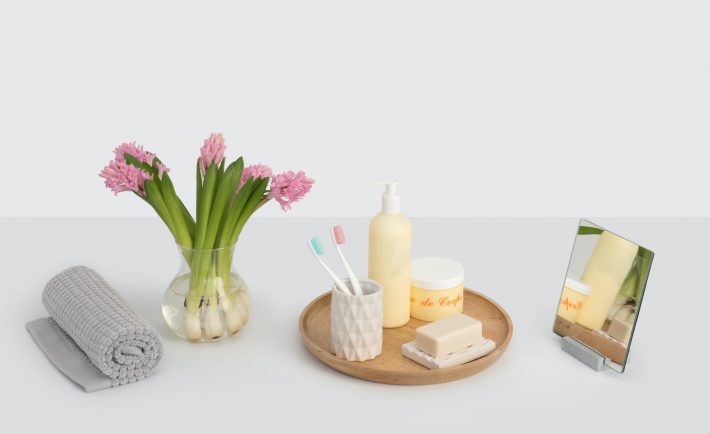
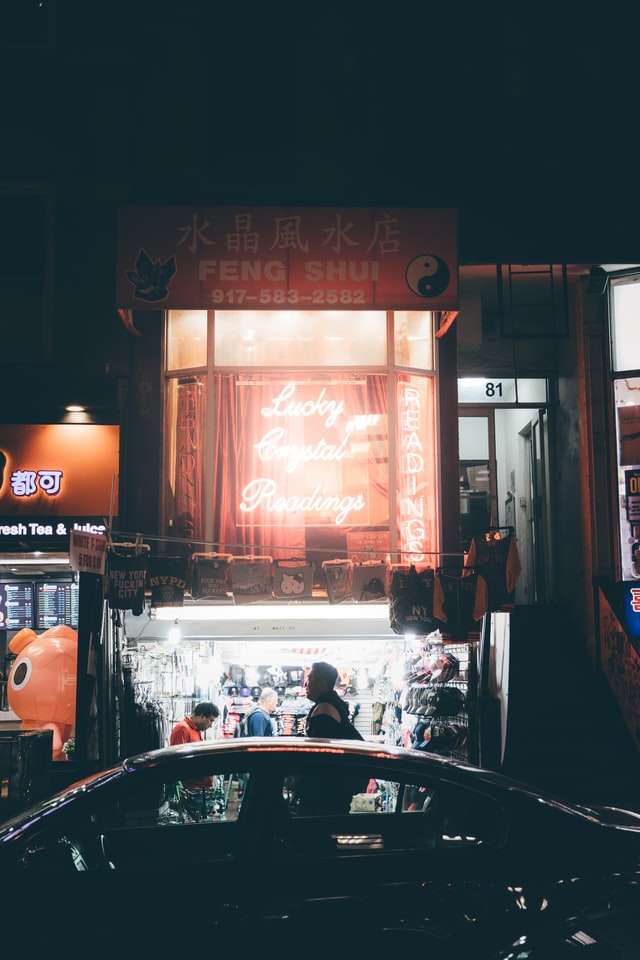
The Ancient practice of Feng Shui highlights the harmony between he individuals and their surroundings. It can help you create a happy home, a productive working space, and a beautiful garden. The usage of energy forces is within your hands!

Start improving your life while you are in quarantine by practicing these Feng Shui tips.

#1: TIDY UP

De-cluttering must be on top of your list as Feng Shui relies on free-flowing energy (chi). Let the chi flow smoothly without disruptions by clearing out the entryway of your home. Clean the dirt behind your front door so that you can open it all the way. Tidy up your space by getting rid of your dead plants, old newspapers, expired cosmetics, broken toys, and so on.

#2: FIX IT

Feng Shui focuses on well-functioning things around your house. Ensure that you fix the broken things inside your house to encourage good energy. Start checking your doors, windows, lights, floors, and furniture. Repair and revamp anything that needs to be tweaked.

Let us focus on your door. Tighten your doorknobs and fix your squeaks. Does your entry door squeak whenever you open or close it? It is helpful to put some oil into the door hinges to prevent this sound and to create more positive energy. Moreover, it reduces your frustrations upon coming in.

#3: COVER IT

Cover the television inside your bedroom to create a tranquil environment for sleeping. If you have trouble sleeping, it is a good idea to cover your television with a beautiful scarf or a patterned fabric. The active energy of your television may be disruptive to your sleep. Create a calming energy by reducing the electronic stimulation.

#4: SPICE UP

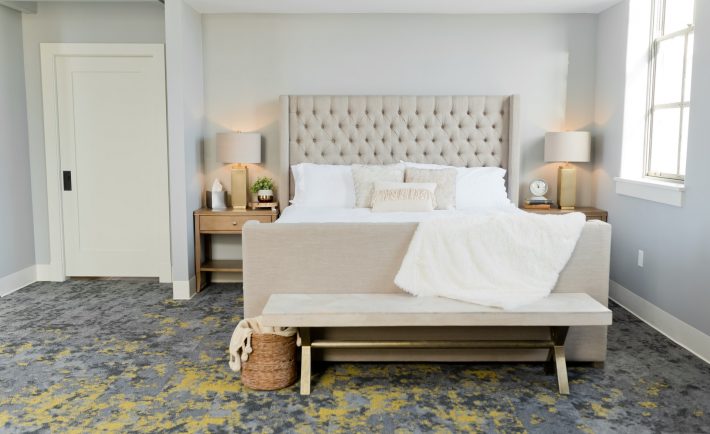
To spice up your love life, you may consider adding plants to your love nest. Create hope and cheer to your bedroom by addin three indoor plants. Moreover, you must position your beed in such a way that you can see whoever approaches your bedroom door. A bed in a “commanding position” attracts strength, love, safety, and calmness.

#5: ADD PLANTS

Indoor plants are known to bring positive health effects to people, while colorful flowers brighten up rooms. These home elements are believed to improve a home’s chi. One of the lucky charms that you may incorporate to your home is a bamboo. Beyond its Feng Shui effect, it adds character to your interiors. Bamboo is a stylish plant that works well at promoting peace and tranquility.

#6: ARRANGE IT

Arranging your pieces of furniture in a circular formation encourages the smooth flow of energy. You can attract positive energy in your bedroom by strategically placing your bed so that it stands diagonally from your bedroom door. Avoid letting your bed face away from the toilet.

#7: COUNTER IT

Flowing water is believed to drain the luck from your home according to Feng Shui. To counter this, you must introduce earth elements. Add accessories in warm tones such as yellow and gold accents. You may also put a fresh coat of paint in your walls or add yellow towels or gold rugs to lessen the elemental imbalance.

#8: BURN IT

Dollar stores have a wealth of incense in their counters. Cleanse your home by burning incense. Ideal types of incense for this purpose are sandalwood and rosemary. Not only will the smoke clear your space of the negativity, but your home will also smell heavenly. You will love how the incense will create a cozy ambiance, while inviting positive energy in!

Image Credits: unsplash.com

Sources: 1 & 2

Read More...

How To Stretch Your Dollar When Decorating Your Flat

With the rising real estate prices and fast-paced lifestyle, people opt to live in HDB flats or apartments. Individuals find it convenient to live in these types of residences given that these are easily accessible to workplaces and commercial areas, offers facilities and amenities, and provides better security. Despite all these advantages, living in a flat means having to deal with a limited space in comparison to house.

In my quest to find ways to maximize the functionality and design of my space, I tapped my Interior Designer friend. Here are some tips that Interior Designer Krishna L. generously shared to me.

#1: PLAN THE SPACE

Having a small space requires identifying the distribution of areas. It is important to recognize the functions and activities that take place in each zone. Adequate planning makes it easier to know what types of furnishings are needed within the space. This helps save time and money for the owners. Personally, I love watching Never Too Small on YouTube as this channel shows how to plan space sections within micro-apartments.

#2: REMEMBER – LESS IS MORE

Given the space available, it is necessary to make use of the space wisely. Having too many things going on in a small space makes it cramped and chaotic. Avoid overcrowding the space and know which items are essential in order to conserve more space.

#3: ELEVATE FURNISHINGS

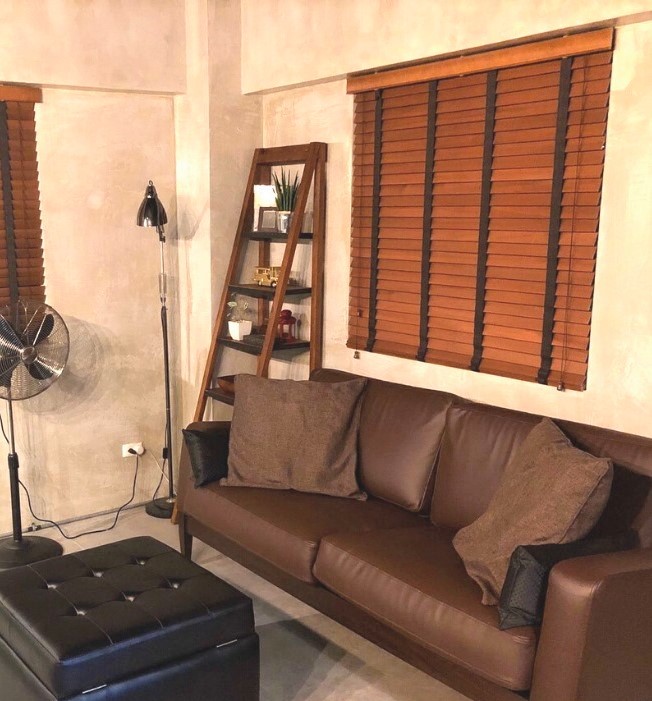
One way of giving an illusion of spaciousness is keeping things off the floor. Make furniture pieces and fixtures “float” – opt for sofa and tables with exposed legs and mount shelves on wall – to achieve an illusion of a bigger space. Not only does this make the space larger but also provides a room for additional storage.

#4: INVEST IN MULTI-FUNCTIONAL PIECES

A limited space requires flexibility in terms of utility and functionality. Looking for furniture pieces that provide more than one function can save money and space.

#5: MAXIMIZE VERTICAL SPACE

Condominiums and apartments often less square footage than a traditional residential space. Thus, it is better to take advantage of the walls. Use floor-to-ceiling cabinets or shelves for storage and display, mount wall decors and art or add tall plants to make the room appear larger.

Image Credits: 3aces.ph

#6: ADD MIRRORS

It is a well-known fact that mirrors can make a small space appear grander. Mirrors not only give the illusion of a greater square footage but also reflects natural and artificial light, thereby creating an impression of a bigger space.

#7: CONSIDER THE LIGHTING

Natural lighting provides a healthier well-being but also helps open up a room. However, condominiums have limited access to natural light since there are less windows. It can be useful to have a variety of artificial lighting to achieve a great atmosphere and warm ambiance within a space. Lighting placement can either make or break a space, so it must be thoroughly planned.

#8: FIND THE RIGHT COLOR THEME

Colors can influence the way we view spaces – lighter colors reflect light and give an illusion of space, whereas darker colors absorb light and diminish a space. In order to make a room feel larger, it is good to have the right color palette for the floor, wall, and ceiling. This does not necessarily mean limiting your options with an all-white interior; rather, use a color scheme that create cohesion and unity. Choosing monochromatic or neutral colors, for instance, can make the space feel airy, open, and visually bigger. Applying dark or bold color or pattern sparingly to accent wall, furniture, or decors can create depth, contrast, and personality to the space.

#9: CHOOSE THE FLOORING WISELY

Like color schemes, flooring surfaces can greatly impact the size of a space. It is better to avoid using a contrasting color for the flooring. Choose hues for carpets, tiles, and wood flooring that would complement the walls and ceiling to achieve continuity. Light-colored wooden floor planks that are either wide or long can make a space look bigger.

#10: ADD GREENERY

Plants greatly benefits one’s health. Having indoor plants can make the space brighter and lively. Moreover, it gardening is a good hobby to dwell on as you work from home or obey the stay-at-home notice.

Image Credits: unsplash.com

Read More...

Inexpensive At-Home Activities You Can Enjoy With Your Child

Kicking off the month of April is the new educational structure advised by Education Minister Ong Ye Kung. Last Friday, he highlighted that all schools will conduct one day of home-based learning in light of the recent spike in COVID-19 cases in Singapore. This re-structuring will help prepare the parents and students if more days of home-based learning will be necessary.

Primary schools will conduct home-based learning o Wednesdays, Secondary schools will apply ths on Thursdays. The rest of the institutes will be having it on Fridays. These social distancing efforts are on top of the enrichment and tuition centers’ closure. The question on the parents’ minds now is: “What will the children do all day?”

The key to extending the learning at home is to make a routine. Students are used to following a schedule. Mimic this blueprint by creating a distinct schedule to help the continuous flow of their home-based education day. The goal is to keep your children busy as you tend to other matters.

TIP #1: FOLLOW THE ADVISE OF THE TEACHERS

As teachers will be giving their assignments through emails and other platforms, you may start the day with those modules. Study time may last from 30 minutes to an hour and a half. Allow heavy subjects and academic assignments to be engraved during this block of time.

TIP #2: DEDICATE A BLOCK FOR PLAY

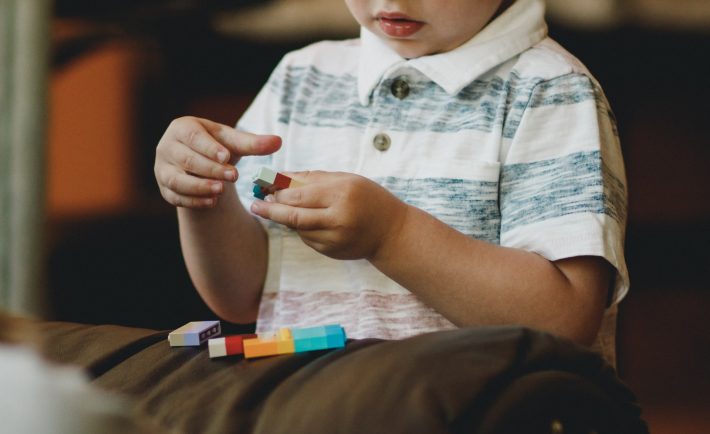
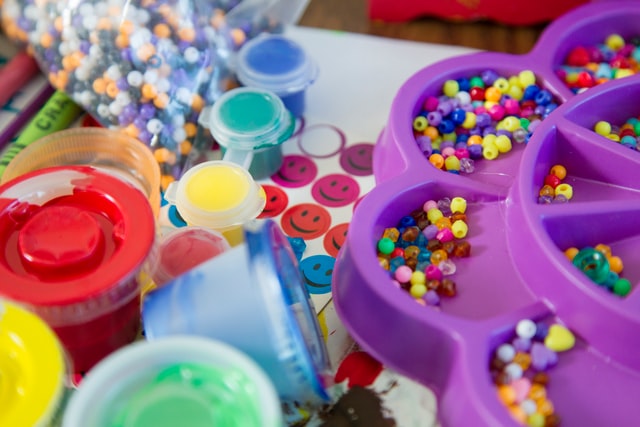
Allow your children to have at least 15 to 30 minutes of time of dedicated child-led play. Provide materials that will cater to their interests and allow them to play. When a child is playing, it stimulates different facets such as imagination, creativity, innovation, and socialization. You may provide a bin filled with educational toys and art materials. Serious learning can take place while having fun.

TIP #3: SCHEDULE A TIME FOR READING

Being at home all day gives you a chance to increase the child’s habit of reading. Gather your books at home or download free books online. Schedule at least 20 minutes of reading time per day to engrave the importance of reading. Remember that this block is the total amount of minutes. You may break it apart throughout the day. In the first half, you may be the only one talking. The adult will read the book aloud for the child. As the day ends, you may let your child to read the same book by himself or herself. Do not worry if your child wants to extend the reading block! Reading is beneficial for your child’s language proficiency and vocabulary expansion.

TIP #4: SPARE SOME TIME FOR GROOMING AND SELF-HELP SKILLS

As an educator, I believe that children learn best through experiences. Let your child experience household chores to learn more about responsibility and self-reliance. Assign 10 to 15 minutes of time for household chores and other self-help activities. Guide your child as they clean their rooms, sweep the floors, wash the dishes, or fold the clothes. They can use these skills as they grow up. More importantly, those are less tasks for you to fill.

TIP #5: ALLOT A BLOCK FOR SCREEN TIME

Whether we admit it or not, technology has been a part of our children’s lives. Hence, it is better to adapt and to limit their usage. Keep your children from “over-indulging” on the screens by having a set time in the schedule for screen time. Ideally adults should limit the children’s use of screen time to two hours per day. For instance, you may allow 30 to 45 minutes of screen time before breakfast and after dinner. Follow through the scheduled time by turning the devices and appliances off afterwards. If the house feels too quiet, turn on some delightful music instead.

TIP #6: ALLOW YOUR CHILDREN TO MOVE

It is easy to put down toys for free play. However, children enjoy it when you get to bond with them as you facilitate some indoor activities. A great way to entertain your children while practicing educational skills is to schedule some easy indoor activities. You may plan at least 30 minutes of this category before snack time or before dinner time.

Here are some of the ideas for your indoor play:

a. Build A City: Flatten out a box. Draw a round using markers and paint. Add blocks and other toy vehicles to let your child build his or her own city.

b. Backhand Balloon Balance: Challenge your children to balance a balloon on the back of their hand. See how long they can do it before it falls to the ground. Amp up the stakes by putting water inside the balloon.

c. Long Jump: Put some lines of masking tape or colored electric tape on the floor. Make 6 separate lines of tape, which are one foot apart. Label the first line as the “Starting” line. See how many lines your children can jump over. Have them beat their best score each round. You may even let them jump backwards!

Image Credits: unsplash.com

May you entertain your children while staying safe! 🙂

Sources: 1 & 2

Read More...

Cost-Efficient Ways To Sanitize Your Things To Avoid Getting Sick

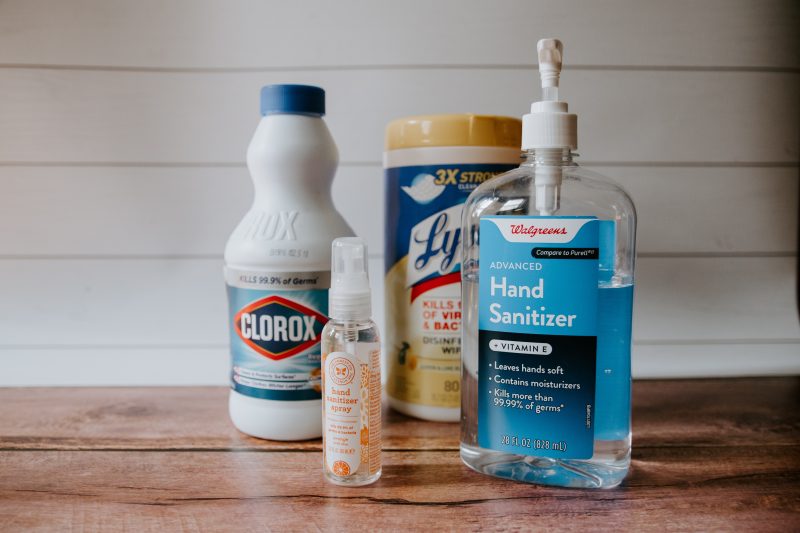
These days, health scares seem to dominate the global news platforms. Instead of resorting to panic, it pays to be prepared. Search to products that can help eradicate bacteria, viruses, and other germs. Practice proper hygiene measures such as washing your hands regularly and using antibacterial hand sanitizers.

Moreover, you must sanitize your household items to defend yourself from COVID-19 and other illnesses. Health is wealth after all!

USE BLEACH

According to the U.S. Centers for Disease Control and Prevention (CDC), the coronavirus seems to spread commonly from person to person via respiratory droplets. It usually transmits between people who are within about 1.8 meters of each other. Current evidence suggests that this virus can remain for hours to days on surfaces made from a variety of materials. Hence, a relatively cheap and highly efficient disinfectant such as bleach is needed!

Bleach kills some of the most dangerous bacteria, including staphylococcus, streptococcus, E. coli and salmonella. It also kills many viruses such as common cold and flu.

CDC advises that bleach will be effective against coronaviruses when it is properly diluted. Use a bleach solution comprising of 5 tablespoons (1/3 cup) bleach per gallon of water. Follow the manufacturer’s instructions for application and ventilation. You may use this solution for toilets, plastic toys, kitchen counters, and more.

FairPrice sells 4 Liters of Clorox for S$5.

STOCK UP ON VINEGAR

A more natural alternative to bleach is using vinegar. You may stock up on vinegar as you can use it for cleaning and cooking. Research has shown that vinegar solution is helpful against some bacteria and viruses, including the flu. However, does not kill dangerous bacteria like staphylococcus.

To use vinegar for household disinfecting, begin by mixing equal parts vinegar and water. Put this all-purpose disinfectant mixture in a spray bottle for easier application. Cleanse counters, mirrors, and doorknobs with this mixture. You know how viruses can transmit thru entering one doorknob! So, cleanse your doorknobs religiously.

Different kinds of vinegar with varying price tags are available in the nearby grocery.

MIX WITH TEA TREE OIL

Commonly used as a natural antiseptic for treating minor cuts and wounds, tea tree oil is more than what meets the eye! It can be strong enough to kill viruses and more powerful bacteria.

For anything that needs disinfecting and cleaning anywhere in the house, a few spray of tea tree oil gets the job done. Simply add 10 drops of tea tree oil to 250 ml of white vinegar and 250 ml of water. Put this mixture in a spray bottle. Spray on any surface such as kitchen counters or floors, and then wipe up. You can also create a tea tree oil mixture for your smartphone.

Let me school you on how dirty your smartphone can get! You touch your smartphone countless number of times throughout the day and you may even be holding it now as you read this. It does not matter if you are diligently washing your hands, if you do not disinfect your smartphone. You see, a 2012 study found that smartphones have more germs than toilet seats. Imagine that!

Deep-cleanse your smartphone without damaging it by spraying the tea tree oil mixture on a microfiber cloth. Spraying to the cloth rather than directly onto the screen can prevent damage. Some even add vodka into the tea tree oil mixture (i.e., 1/4 cup of vinegar mixed with 10 drops of tea tree oil and 1/4 cup of vodka).

Watsons sell 10 ml of tea tree oil for S$14.90.

DISINFECT USING ANTIBACTERIAL WIPES

Aside from your smartphones, one item that you constantly touch at work is your computer or laptop’s keyboard. It is full of nooks and crannies as you click away for hours a day! Disinfect this germ collector daily by following these steps.

If you are using your computer’s keyboard, turn it upside down and use compressed air to remove any dust or crumbs. Then, turn it over and use antibacterial wipes on the surface. Antibacterial wipes are available in Watsons for S$2 (3 packs of 10 pieces). Disinfect as much as possible.

BUY ANTIBACTERIAL LAUNDRY DETERGENT

Prevent your beloved little ones from becoming sick by constantly washing their stuffed animals and blankets. You see, their furry companions hold onto germs.

Check the tag on stuffed animals to see if it can go in the washing machine, and if so, follow these washing instructions by using the hottest water setting possible along with antibacterial laundry detergent. Use the same technique for the blankets. Dry these completely.

Image Credits: unsplash.con

Four liters of antibacterial laundry detergent is currently on sale at FairPrice.

Sources: 1 & 2

Read More...