Ready for a fresh way to play TOTO? Launching 10 June 2025, Singapore Pools is bringing you a whole new game that blends thrill with simplicity — TOTO MATCH! This all-new way to play TOTO offers fixed cash prizes based on how many numbers you match — no sharing of prize pools, no rollovers, just straight-up wins.
How TOTO MATCH Works
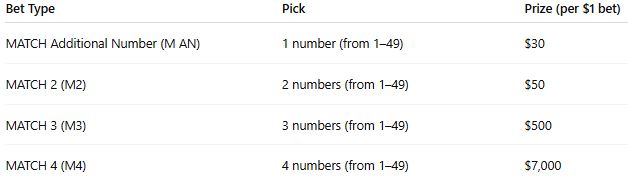
Instead of chasing jackpots, TOTO MATCH rewards you with guaranteed payouts for matching 2, 3, or 4 numbers. Here’s the breakdown:
How to Play
Pick one, two, three or four numbers between 1 and 49.
M2: Pick two numbers between 1 and 49 and if your chosen numbers matches the six winning numbers, you win $50
M3: Pick three numbers between 1 and 49 and if your chosen number matches the six winning numbers, you win $500.
M4: Pick four numbers between 1 and 49 and if your chosen number matches the six winning numbers, you win $7000.
M AN: Pick one number between 1 and 49 and if your chosen number matches the additional number, you win $30. If your chosen number matches the additional number, you win $30.
If your wardrobe is bursting or your shelves are stacked with items you no longer need, it may be time to let them go. Be it making some extra cash, helping others, or reducing waste, there are many responsible ways to declutter in the Lion City.
This guide covers where to sell, donate, or recycle your gently used clothes, shoes, accessories, and household goods.
SELL YOUR PRELOVED ITEMS
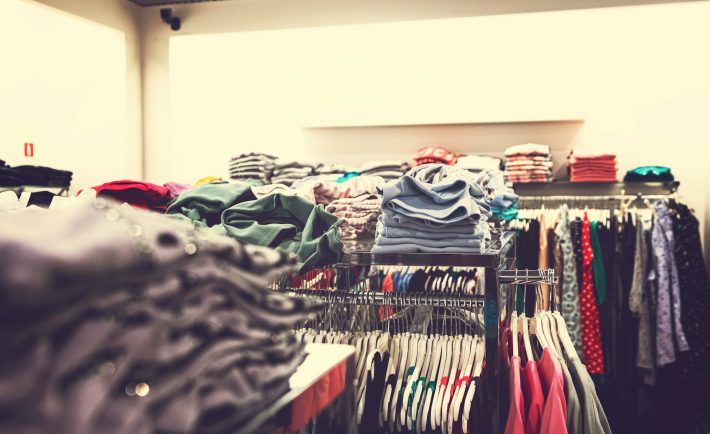
Reselling them might be your best option if you have branded clothing, trendy accessories, or household items in good condition. Not only do you declutter, but you might even earn back some of your original investment.
a. ONLINE MARKETPLACES
Digital platforms like Facebook Marketplace, Carousell, and Poshmark allow you to connect directly with buyers. These are perfect for items with niche appeal, trendy fashion pieces, or gadgets.
Simply snap a few photos, write a description, and set your price. You’ll get to negotiate directly with interested buyers and arrange for delivery or pickup at your convenience.
b. REFASH
This local fashion resale brand is a favorite among Singaporeans. REFASH buys trendy women’s clothing and sells them at affordable prices across its brick-and-mortar stores.
Drop your items off at outlets such as Bugis Junction, Wisteria Mall, or Tiong Bahru Plaza. You’ll receive cash or credits to spend in-store. REFASH is a great place to find lightly worn apparel that’s still in season or style.
c. NEW2U THRIFT SHOP
Tucked within the Singapore Council of Women’s Organisations building, New2U is a charitable thrift store with a heart. It accepts clothes, books, accessories, and household items. Proceeds go toward funding women’s and children’s programs.
Shoppers (including my friends) love it for its hidden gems and affordable prices, and donors appreciate that their items support meaningful causes.
d. CASH CONVERTERS
This well-known resale chain buys just about everything: electronics, musical instruments, kitchen gadgets, tools, and fashion items. You can bring your preloved goods to one of their many locations and receive immediate cash offers. Their outlets include: Joo Seng Road (E-Commerce Centre), Ang Mo Kio Avenue 8, New Bridge Road at Chinatown Point, Jurong Gateway Road, Tampines Avenue 1, Toa Payoh Lorong 4 (i.e., the one I usually explore).
Each location features a huge selection of used goods, and it’s a go-to spot for savvy bargain hunters.
DONATE TO THOSE IN NEED
Image Credits: unsplash.com
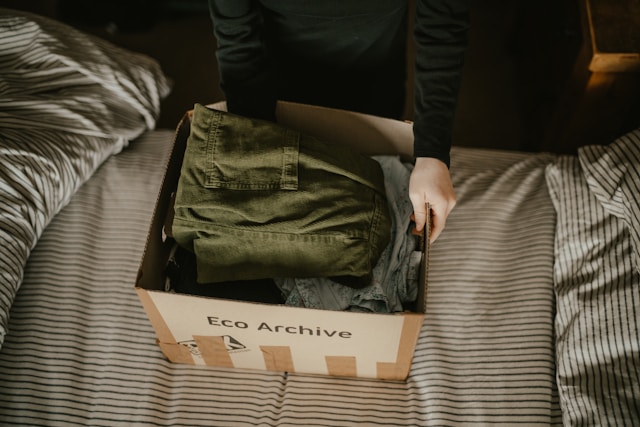
Prefer to pass your items on as a blessing to someone else? Donation is a fulfilling way to do so.
a. THE SALVATION ARMY
With a long-standing presence in Singapore, The Salvation Army accepts clothing, furniture, household goods, toys, and more. These donations are sold at Family Stores, with proceeds supporting community care programs, including services for the elderly, children, and vulnerable individuals.
Drop-off points include: Tanglin Family Hub, The Haven, Praisehaven, Hope Centre, and IMM.
b. MINDS SHOP
Operated by the Movement for the Intellectually Disabled of Singapore, these thrift stores offer more than resale. They provide vocational training and employment for persons with intellectual disabilities. Donated items are sorted, priced, and sold by MINDS trainees, giving them essential skills and opportunities.
You can drop your donations at Margaret Drive, 800 Margaret Drive or Woodlands, 30 Woodlands Ring Road.
c. H&M GARMENT COLLECTING PROGRAM
This global initiative encourages customers to recycle their unwanted clothes from any brand and in any condition. Simply bring them to any H&M outlet in Singapore. Locations include: ION Orchard, JEM, NEX, Kallang Wave Mall, and VivoCity.
You’ll receive a discount voucher as a thank-you, and the clothing is either reworn, repurposed, or recycled into insulation materials or new textiles. I can attest to this as I’ve tried it myself.
d. GREENSQUARE
Focused on textile recycling, Greensquare collects items directly from homes and also operates drop-off points. They accept clothes, household linens, bags, and shoes in any dry condition. Items are sorted and sold to secondhand importers in developing countries, promoting a circular economy.
Key drop-off spots include: Alexandra Technopark, Fusionopolis One and Two, NUS Utown Residence, The Green Collective at Funan, and Viva Business Mall.
e. ITSRAININGRAINCOATS
Focused on uplifting Singapore’s migrant workers, this nonprofit operates the inspIRRe store, where workers can shop for free. Donations should be in excellent condition and include:
Men’s apparel and footwear
Luggage, duffel bags, and backpacks
Sports gear, water bottles, and accessories
Small appliances like rice cookers or power banks
It’s located at 470 Upper Paya Lebar Road.
g. SG MUMMIES UNITED
What began as a humble Facebook group during the 2020 circuit breaker has grown into a bustling blessings community. The group connects struggling mothers with those who can offer help. Common donation items include: diapers, baby formula, baby gear and toys, secondhand children’s clothing, and books.
Requests are posted daily, and you can respond directly to offer what you have. Join their Facebook group to participate.
Image Credits: unsplash.com
What are you waiting for? Let your preloved items find a second life!
U.S. President Donald Trump’s tariff policies introduced significant changes that could impact online shoppers in Singapore, particularly when buying from American retailers or goods subject to U.S. trade regulations.
UNDERSTANDING TARIFFS
Tariffs are taxes imposed on imported goods, and the U.S. has long used them to regulate trade. These taxes can lead to higher prices for goods and services, influencing overall consumer spending and contributing to inflation.
IMPACT ON ONLINE SHOPPING
One key change under Trump’s tariff plan was the end of the tax exemption for low-value Chinese imports, known as the “De Minimis” provision. This provision previously allowed certain low-cost goods from China and Hong Kong to enter the U.S. duty-free. The policy change, effective last May 2, means that such goods are now subject to tariffs before reaching the U.S. market.
While this policy directly targets imports into the U.S., its ripple effects can be felt globally, including by Singaporean consumers.
WHY SINGAPOREANS ARE AFFECTED
Many Singaporeans shop online from U.S.-based platforms or purchase U.S. brands that rely on Chinese manufacturing. When tariffs increase the cost of these goods before they even reach American warehouses or online retailers, the additional costs are often passed down the supply chain (i.e., including to international buyers).
According to Professor Kirthi Kalyanam from Santa Clara University’s Leavey School of Business:
“You will definitely be paying more and there’s no question about that,” he explains. “Customers should also expect disruptions and delays as these new tariff policies are rolled out.”
Image Credits: unsplash.com
PRICES INCREASE BY PRODUCT TYPE
If a broad 25% tariff is fully applied to finished goods, near-term price increases are estimated at:
a. 9.5% for investment goods (e.g., electronics, machinery)
b. 2.2% for consumer goods (e.g., clothing, home products)
For Singaporeans, this means that electronics or other high-value items bought from U.S. platforms could become significantly more expensive. Additionally, shipping delays or disruptions may occur due to the uncertain implementation of trade policies.
INFLATION & ECONOMIC EFFECTS
The impact of these tariffs on global inflation depends on several factors, including the proportion of imports in affected goods and how they contribute to overall pricing indexes. The Yale Budget Lab estimated in 2025 that average U.S. tariff rates could hover around 25%, though the exact rate may vary by product and country.
IN A NUTSHELL
Image Credits: unsplash.com
Although the U.S. tariff changes primarily target goods entering the U.S., they indirectly affect international consumers like Singaporeans by increasing prices and delaying shipments of American and other products. If you’re shopping online from U.S. platforms, especially for items involving Chinese manufacturing, expect higher costs and slower delivery times.
In a nation where prudent financial management is a cultural norm, the need to understand economics is not just academic—it’s practical. From budgeting their first paycheck to evaluating the costs of higher education, young Singaporeans today are expected to make more complex financial decisions than ever before. The stakes are high: rising living costs, volatile markets, and evolving job prospects all demand a generation that is not only money-savvy but economically literate. And increasingly, that literacy is being cultivated long before university or adulthood.
Economics Tuition: The Foundation for Financial Intelligence
The demand for economics tuition in Singapore has surged in recent years—not merely due to the academic pressure of national exams, but because parents and students alike are recognising its broader life applications. Unlike subjects that may remain theoretical unless pursued in higher educecation, economics seeps into daily life: from how much you save each month, to understanding interest rates on a student loan, to grasping the impact of inflation on your purchasing power.
Programs such as JC Economics tuition (A Level) are particularly popular among students preparing for their GCE A-Level examinations, offering structured approaches to mastering market structures, government policies, and global economic trends. These classes don’t just teach exam techniques; they equip students with a framework to think critically about real-world issues like income inequality or fiscal policy. In doing so, they provide a springboard into the adult world of credit scores, investment portfolios, and compound interest.
Similarly, students enrolled in international schools benefit from specialised sessions with an IB Economics tutor, who helps them dissect complex global scenarios and macroeconomic indicators—skills that are equally applicable when weighing up a mortgage or deciding between fixed and floating interest rates.
Building a Generation of Smart Investors
In an age of TikTok financial influencers and viral “get rich quick” schemes, it’s easy for teenagers and young adults to be swayed by noise rather than knowledge. One of the unsung benefits of economics tuition is how it serves as a filter—arming students with the tools to analyse investment opportunities objectively and to separate hype from substance.
Students exposed to concepts such as opportunity cost, risk-return trade-offs, and marginal analysis early on are better equipped to make sensible investment decisions when they come of age. Instead of blindly following trends, they learn to evaluate assets like stocks, ETFs, and even cryptocurrency through an economics lens. They understand how inflation erodes purchasing power, why diversification matters, and what interest rates really signal about an economy’s health.
Policy Literacy: Creating Active Citizens, Not Just Savvy Spenders
Beyond personal financial decisions, economics tuition helps nurture informed citizens who understand and engage with public policy. Whether it’s evaluating CPF reforms, analysing GST hikes, or debating housing subsidies, young people who understand economics are more likely to participate in national discourse.
Rather than relying on hearsay or emotionally charged social media debates, these individuals are equipped to critically assess government policies and propose solutions. This ability is essential in a country like Singapore, where social and economic planning is deeply interwoven, and citizen buy-in is critical for long-term success.
Conclusion: From Classroom to Capital Management
What was once seen merely as a subject for future bankers and economists is now emerging as an essential toolkit for life. Economics tuition in Singapore is no longer just about getting an A; it’s about creating adults who can make smart, strategic, and socially responsible financial choices. Whether through JC Economics tuition (A Level) or with the help of an IB Economics tutor, students are learning to invest wisely, borrow cautiously, and think critically about public policies.
Looking to refresh your routine or to alleviate your stress without overspending? Whether you’re budgeting or just love simple joys, these budget-friendly hobbies will keep you inspired and engaged throughout the year.
#1: GET LOST IN A SHORT BOOK
Over the past two months, I’ve read four short books, each under 200 pages, and they’ve been incredibly rewarding. There’s a quiet joy in finishing a book in just a few sittings and diving into a new perspective, whether fiction or nonfiction.
Some of my recent favorites include Before the Coffee Gets Cold by Toshikazu Kawaguchi (S$23.95 at Popular Bookstore), I Want to Die but I Want to Eat Tteokbokki (S$19.95 at Kinokuniya), and Days at the Morisaki Bookshop (S$22.15 at Kinokuniya). These books are gentle yet powerful, perfect for light reading with meaningful takeaways. For even better deals, check second-hand shops where books can go for as low as S$3. Or borrow from your local library at little to no cost.
#2: LEARN TO PLAY KALIMBA
The kalimba, also known as a thumb piano, is a soothing instrument you can pick up for just S$9.68 on Shopee. Made mostly from wood and easy to learn, the kalimba became my go-to hobby during the pandemic.
I had a blast taking song requests from friends and learning tunes like A Thousand Years or Fly Me to the Moon using free YouTube tutorials and online chord sheets.
#3: PAINT SERENE LANDSCAPES
Painting is both soothing and creatively fulfilling. You can find canvas panels on Shopee starting from S$0.50 in beginner-friendly sizes like 15×15 cm and 30*30. A 12-piece acrylic paint set goes for as low as S$0.60, and you can pick up a brush set on Lazada for around S$0.90.
Image Credits: unsplash.com
I’ve already painted two pieces this month and plan to do more. For inspiration, I watch Bob Ross or follow creators on Instagram who share beginner-focused tutorials. Friendly reminder: brushes and palette knives can help you experiment with texture and techniques as you grow more confident.
#4: LEARN A NEW LANGUAGE
There’s something empowering about learning a new language, especially when you can use it in real-life situations. I’ve been self-studying Korean since 2021 and finally got to practice it during a trip to Korea last December. The feeling was unforgettable.
You can begin learning Korean (or any language) for FREE through YouTube tutorials or platforms like Coursera. It’s a practical, enriching hobby that offers lifelong benefits.
#5: GET IN TOUCH WITH NATURE
Urban walking is an underrated way to explore your surroundings, improve your mood, and get some light exercise. Take a weekend walk through scenic trails like the Southern Ridges, Bukit Timah Nature Reserve, or the Rail Corridor. The National Parks Board (NParks) offers detailed guides to many of these trails, and the best part is they’re completely FREE.
Image Credits: unsplash.com
Pack a bottle of water, wear comfy shoes, and let your feet take you somewhere new.