Why boundaries are key to a healthy workplace

team meeting over drinks

In the workplace, boundaries are essential for maintaining a healthy balance between your professional and personal lives.

They help to protect you from burnout and keep you focused on your work. But setting boundaries can be difficult, especially if you’re not used to doing it.

It’s challenging to know when to say no and how to stick to your guns. Fortunately, there are a few key things to keep in mind when it comes to setting boundaries in the workplace.

In this post, we will discuss the importance of boundaries and offer some tips on how to set them and stick to them.

What are boundaries?

Simply put, boundaries are guidelines that dictate how we interact with others.

They help us to stay in control of our interactions and protect our time, energy, and emotions.

Boundaries can be physical, like when we set a limit on how much work we’re willing to do in a day, or emotional, like deciding not to get wrapped up in office politics.

Why are boundaries important in the workplace?

If you don’t set boundaries, you’re going to start feeling overwhelmed and resentful. You will be working all the time, and feel like you can’t take a break. Before you know it, you are burned out.

What are some examples of boundaries you can set in the workplace?

man with smartphone and laptop

Image Credits: unsplash.com

Remember that you are not expendable. You have value, and your time is just as important as anyone else’s.

Start by setting limits on how much work you’re willing to do outside of the office. You can also establish a cutoff time for work-related emails and phone calls.

And don’t be afraid to say no to requests that are unreasonable or unfair. Standing up for yourself is a crucial part of setting boundaries in the workplace. Remember, it’s okay to put your own needs first.

How can you set boundaries without seeming rude or unprofessional?

Whatever your boundaries may be, communicate them confidently to your colleagues.

You might want to put them in your email signature or an away message, or simply discuss them during a meeting.

The significant thing is to be clear about what our boundaries are and convey them effectively to those around us. This way, everyone knows where they stand and we can all maintain a healthy level of respect for one another.

You may be hesitant to set boundaries at work, but doing so is key to maintaining your mental health and well-being. When you set boundaries, you’re telling your employer that you’re not available to be used and abused. You have a right to say no, and your employer cannot demand more of you than you are willing to give. When you set boundaries, you’re taking control of your life and your career. You’re telling the world that you’re not going to let them walk all over you. Don’t be afraid to stand up for yourself—if not, who else will?


Read More...

Warning signs that an employee is about to quit

a man holding a resignation letter

Have you ever been suspicious that one of your team members is about to quit?

It can be tough to tell, especially if they’re not giving any clear signals. But if you’re keenly observant, there are a few subtle signs that an employee might be ready to call it quits.

In this post, we will cover a few signs. Keep an eye out for these signals, and if you see them, start preparing for a potential departure.

Spending less time socializing

There’s a big difference between being friendly and wanting to spend time with people. When someone is gearing up to leave their job, they will start withdrawing from the social dynamics at work.

Dressing differently for work

Maybe they’re not putting as much effort into their appearance, or they’re coming in with clothes that are noticeably different than usual.

This is often one of the first signs that someone is thinking about quitting. It’s not always the case, of course, but it’s worth keeping an eye on. Employees usually don’t just turn up and quit without giving any red flags.

Being less engaged at work
disengaged employee

Image Credits: fond.co

Are you noticing that your employee is being less engaged lately? Maybe they’re not as vocal in meetings or they’ve been turning in work that’s not up to their usual standards.

If you’re seeing these alerts, it’s necessary to address them as soon as possible. The reality is that your employee might be ready to quit and if you don’t do something about it, you could lose them for good.

Taking more time off

If you start to notice that an employee is taking more time off than usual, this could be a sign that they’re getting ready to quit.

Maybe they’re not as committed to their work as they used to be, or maybe they’re not coming in on time anymore. Whatever the reason, it’s good to pay attention and see if there are any other forewarnings.

If the employee does eventually quit, you will want to be prepared. Have a plan in place so you can quickly find a replacement and minimize the disruption to your team.

When an employee begins exhibiting any of the signs listed above, it may be time to start thinking about how to ask them to stay or fill that position—preferably before the employee hands in their notice. If you’re prepared, you can avoid any unnecessary stress or disturbance to your team operations. If you’re worried about an employee’s future with the company, keep an eye on them and see if they start demonstrating any of the signals mentioned in this post. If they do, it may be time to commence scheduling their departure.

Read More...

The disadvantages of multitasking: Why you should focus on one thing at a time

multitasking

Believe it or not, multitasking has some pretty big disadvantages.

You may think you’re getting more done by multitasking, but the truth is that you’re slowing yourself down.

Let’s take a look at some of the most common problems that come with multitasking and why it’s better to focus on one task at a time. We will also explore some of the benefits of single-tasking and offer some tips on how to make it work for you.

Poor time management

When you try to do too many things at once, you’re not giving any of them your full attention. 

And that’s going to lead to mistakes and poor-quality work. This means you might be redoing more work than the original set you had.

Less productive than you think

Not only is multitasking less productive than you think, but it can also be draining.

When you try to do too many things at once, your brain is working overtime to try to focus on all of them. Constantly switching gears takes a lot of energy—energy that could be used more productively if you focused on one task at a time.

Can lead to information overload
man listening to music as he works at his desk on a laptop

Image Credits: unsplash.com

Imagine this: you’re in the middle of an important project, and you’ve got email notifications pinging left and right on your screen.

You’re trying to keep up with your work, but you keep getting pulled away by these little distractions. Pretty soon, you’ve got a dozen different windows open on your computer, and you’re completely overwhelmed.

You can’t focus on anything because you’re trying to do too many things at once. This is what’s known as information overload, and it can be a real productivity killer. In short, multitasking is not as productive as it seems.

So why not try focusing on one task at a time? You will be surprised at how much more you can get done when you’re not constantly jumping around.

How to focus on one thing at a time

Do you know that it takes about 20 minutes for your brain to get back into focus after you’ve been interrupted?

So if you’re constantly jumping from one task to another, you’re not giving anything your undivided attention and it’s going to show in the results.

The bottom line is that multitasking is not as productive as you might think. The best way to get things done is to focus on one task at a time and give it your all. Once that’s done, move on to the next task and repeat.

Multitasking might seem like the best way to get things done, but it’s not as effective as you might think. It takes more time to switch between tasks than it does to focus on one task at a time. Multitasking can also lead to mistakes since you’re not 100% focused on the task at hand. And finally, multitasking can be overwhelming, which can lead to productivity slowdown or even burnout. If you want to be more fruitful and achieve better results, focus on one task at a time. It might take a little bit longer, but you will be more efficient and less stressed.

Read More...

Writing a job ad? Keep these tips in mind

job ad

As a hiring manager, you want to write a job ad that attracts the best candidates.

But what should you include to make your ad stand out? There are a few key things to keep in mind when drafting a job ad.

Stay on this page as we reveal all of the information that will help you attract top talent.

Who are you writing the job ad for

When you’re writing a job ad, keep your audience in mind. Who are you writing it for?

If you’re targeting top talent, you need to make sure your job ad stands out from the crowd. Think about the tone you set. Are you being realistic about the job responsibilities? Are you highlighting the company culture and the benefits of working for the company?

What are the must-haves in a job ad?

When you’re writing a job ad, you’re not just selling the job—you’re also selling the company. 

And you want to make sure that the candidates you attract are a good fit for both the position and the company.

So what are the must-haves in a job ad? First and foremost, it should be clear what the job is and what the responsibilities are. You should also describe the company culture and what kind of environment the candidate will be working in.

And don’t forget to list the qualifications for the job. This is key because you want to make sure that you’re only attracting candidates who are a good fit for the role.

What not to do when writing a job ad
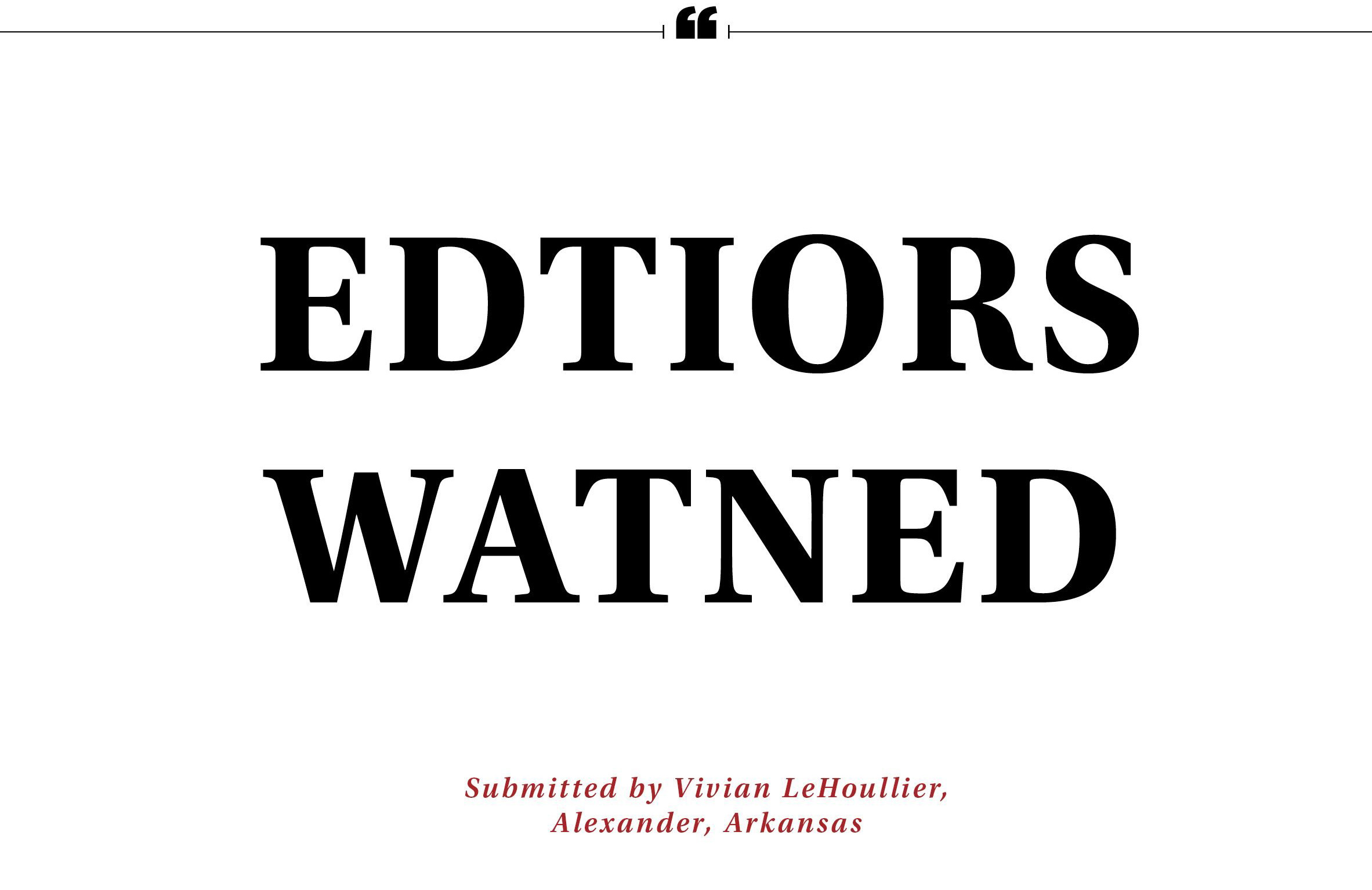
spelling typos

Image Credits: rdasia.com

Avoid making common mistakes. For example, don’t make the ad sound too demanding or restrictive.

Remember, you want to attract the best candidates, so avoid using language that will scare them away. And please proofread your ad before publishing it. A typo can cost you a great candidate!

How to make your job ad stand out from the competition

Here are a few tips to help you do just that:

  • Use catchy headlines

If you can pique the reader’s interest with a clever headline, you’re already halfway there. Try to capture the essence of the position in a few words.

  • Use eye-catching visuals

If you can, use visuals to help bring your ad to life. Graphs, charts, and images are all great ways to engage the reader and make your ad stand out from the rest.

  • Write a clear job description

Make sure the job description is clear and concise and lists the essential qualifications required for the position. This will help weed out unqualified candidates right away.

When writing a job ad, keep the tone and content friendly and engaging so that you can attract the best candidates. Remember to be clear about what you’re looking for, and to list the requirements and expectations of the position. It’s also important to make sure your job ad stands out from the rest. Using keywords that are relevant to your industry and posting on sites that are frequented by your target audience can help. By following these tips, you can create a job ad that will attract talented candidates who will be a perfect fit for your company.

Read More...

Post-meeting strategies to help you avoid information overload

stressed woman biting a pencil

You just left a meeting that was full of details. Now what?

It can be tough to process all the information you just received, especially if you don’t have much experience dealing with it. You might feel like you’re not sure where to start or what to do next. That’s why it’s good to have a plan for post-meeting follow-up.

If you’re feeling overwhelmed after a meeting, use these strategies to help you avoid information overload. Keep reading!

Recognize the signs

After every meeting, you feel completely crushed.

You can’t seem to focus on anything, and all you want to do is take a nap. You know you need to get your work done, but you can’t seem to start. This is a telltale sign that you’re experiencing information overload.

Understand the reasons behind

working on laptop with sticky notes by the side

Image Credits: unsplash.com

It’s easy to feel overpowered after a meeting since you’re bombarded with so much information, and it’s all so fresh in your mind.

Maybe you feel like you can’t remember anything specific or that you’re just not sure where to begin. Well, the first step in dealing with information overload is understanding why it happens in the first place.

There are a few reasons:

  • Trying to do too many things at once
  • Not taking the time to properly digest the info
  • Not organizing the information in a way that makes sense

Once you understand the reasons behind your information overload, you can start to come up with strategies to help you deal with it.

Create a plan to avoid information overload

After every meeting, take some time to process all the information that was just thrown at you. And one of the best ways to do that is by creating a plan.

Here are a few things you can do:

  • Create a system for filing away meeting notes and documents
  • Break down the meeting takeaways into individual tasks and make a list of what needs to be done
  • Delegate tasks to different team members and create a timeline for when they need to be completed

Don’t try to do everything at once. Take your time and go through the information gradually. If you try to process it all at once, you will just end up getting stressed out.

After any meeting, it’s crucial to process all the new information. Make a list of the most meaningful points from the meeting, and focus on those first. Take some time for yourself to relax and digest fresh data and if necessary, talk to someone else about the meeting, and see if they had a dissimilar take on it. By following these tips, you can help minimize the amount of stress that comes with information overload.

Read More...