Is your workplace riddled with people who enjoy a good dose of sarcasm or teasing, sometimes even at the expense of others? Do they throw in a “just kidding” to lighten the mood after delivering a particularly cutting remark? Well, you might be dealing with passive-aggressive behavior.
In this post, we’ll break down what passive aggression is and share some strategies to handle it more effectively.
Understanding Passive-Aggressive Behavior
Mayo Clinic, a medical practice and research group, defines passive-aggressive behavior as a way for individuals to express their negative feelings harmfully but indirectly. Instead of addressing issues directly, they cloak their hostility and discontent through subtle actions.
Notice the behavior of your behavior and that of your workmates. If you grew up in an environment where expressing feelings openly wasn’t encouraged, you might resort to passive-aggressive behavior as a way to avoid direct confrontation. This can manifest as sulking, emotional withdrawal, or finding indirect ways to communicate feelings.
Life coach Leah Veazey emphasizes that while passive-aggressiveness allows someone to express disagreement without being confrontational, it’s not the most effective communication technique and can be detrimental to relationships.
Strategies to Manage Passive-Aggressive Behavior
ADDRESS THE SITUATION DIRECTLY
If you notice a coworker engaging in passive-aggressive behavior, avoiding them might be your first instinct. However, addressing the issue directly is crucial.
Plan a conversation with your coworker to ensure they don’t feel targeted, and consider involving the HR department for a private, constructive meeting.
IDENTIFY THEIR REASONS
Understand that passive-aggressive behavior can stem from various reasons, including internal emotions or external factors like workplace competition.
Identifying the root cause helps in deciding the best approach. In some cases, addressing team stress openly might be necessary.
ESTABLISH A SAFE ENVIRONMENT
Make it clear that expressing concerns openly is encouraged and safe. Foster an environment where people feel comfortable discussing problems directly rather than resorting to covert methods.
Lead by example, praising and supporting those who bring issues to your attention.
USE LANGUAGE CAREFULLY
Provide accurate feedback using precise language. Instead of making general accusations, point out specific instances and give the person a chance to explain.
Avoid direct “you” statements (e.g., “you are late” or “you are incompetent”) to prevent the other person from feeling attacked and becoming defensive.
PROVIDE RIGHT TRAINING
Consider offering one-on-one coaching to help team members communicate assertively. Role-play scenarios to practice addressing issues confidently without resorting to passive-aggressive behavior. Additional communication skills training may be beneficial.
AVOID RECIPROCATING THEIR BEHAVIOR
Despite the temptation to respond in a similar passive-aggressive manner, focus on maintaining positive habits. Upholding a cooperative and positive atmosphere can influence your team positively. Resist the urge to engage in behaviors that only prolong unpleasant dynamics.
Image Credits: unsplash.com
By following these strategies, you can foster a more open and constructive work environment, reducing the impact of passive-aggressive behavior on your team.
Strong portfolio demonstrating print, digital design skills, & design for social media
Proficient in Adobe Illustrator, Photoshop and InDesign
Photography and videography experience
Curious about trends in design, health and wellness, F&B, and lifestyle
Able to get your hands dirty across different mediums and touch points.
A dedicated and resourceful problem solver.
Proactive, open, and flexible mindset and ability to work in a dynamic startup environment
Bonus: Understanding of marketing, production, website design, corporate identity, product packaging, advertisement, and multimedia design.
Key Responsibilities
Design and create visual assets for marketing and branding campaigns.
Assist in developing scalable design solutions and templates while maintaining individual brand standards.
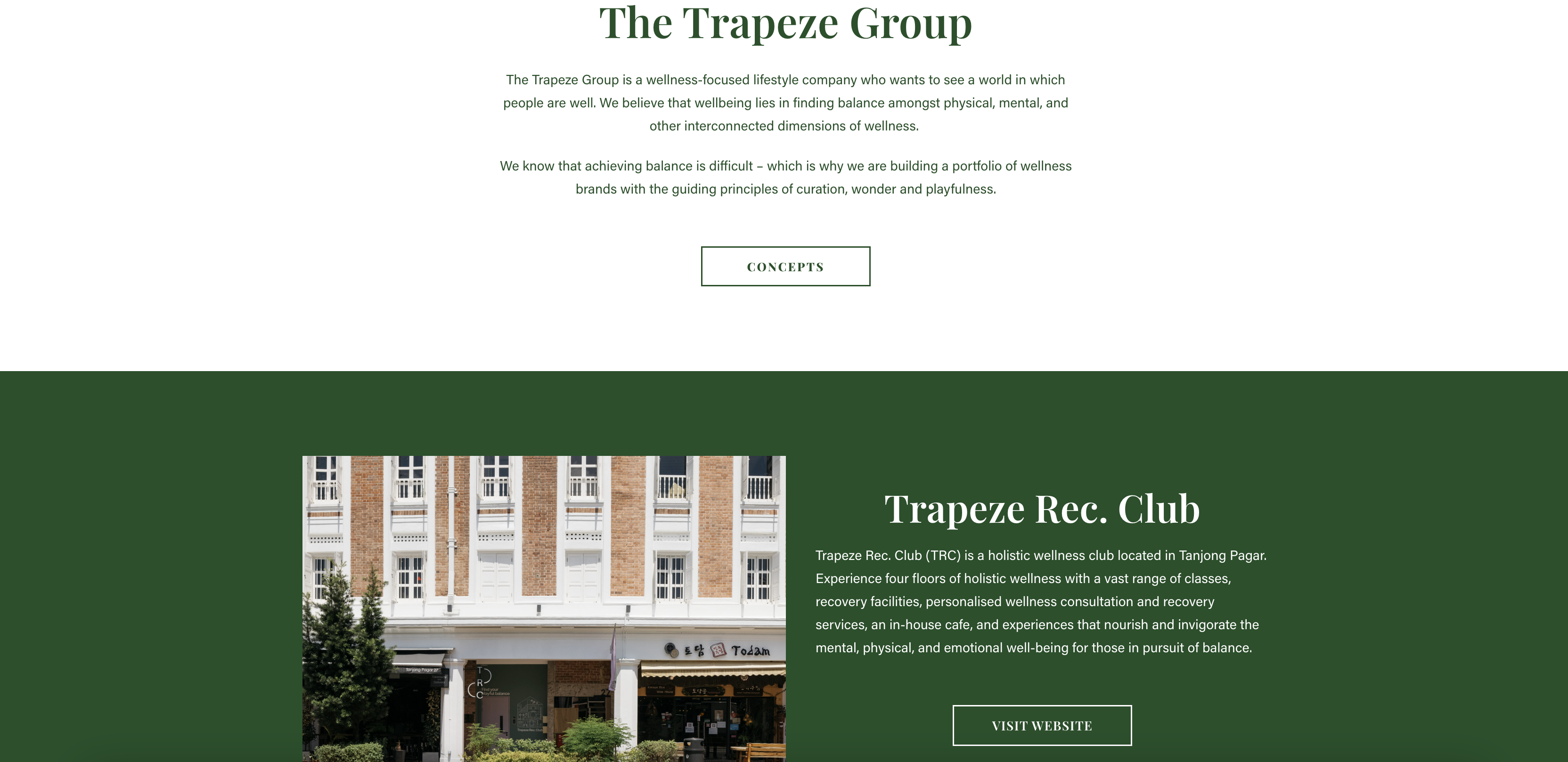
Collaborate actively in the design process and contribute to the creative production of Trapeze group products, merchandise, and concepts in multiple creative sectors, including interior, web, and product design.
Involvement in photography and videography of our concepts and events.
Craft, plan, and assist with events for Trapeze concepts.
Work with external parties (i.e. corporates, vendors, partners) and clients, as well as other creatives like developers, IDs, and videographers.
Be the brand voice, managing asset libraries and ensuring collateral is up-to-date.
Collaborate with various departments including but not limited to – Operations, F&B, Human Resources, etc, and contribute to team efforts on any visual assets
Managing asset library and making sure that collaterals are up to date across various platforms
Service Spirit, Team Spirit, and Spirit of Progress
Hands-on pro-active approach with an ability to work autonomously
Good communication skills
Ability to work collaboratively in a multi-cultural environment
Challenges the status quo, innovative, ‘can do and improve’ attitude
Presentation skills; ability to interact in any given situation
Key Responsibilities
Market intelligence: Development of market intelligence platform, management of database, analysis of market intel, development of analysis tools, development of reliable data
Strategic planning: Engage with business lines to understand growth targets, expansion plans, and enablers to achieve; Analyze resources needs to ensure maximization of ROI
Business planning: Liaise with APMEA stakeholders to ensure strategic initiatives are completed, analysis of business operations, financial and competitive data
Mergers, acquisition, and integration: Support the due diligence process and the integration of new companies
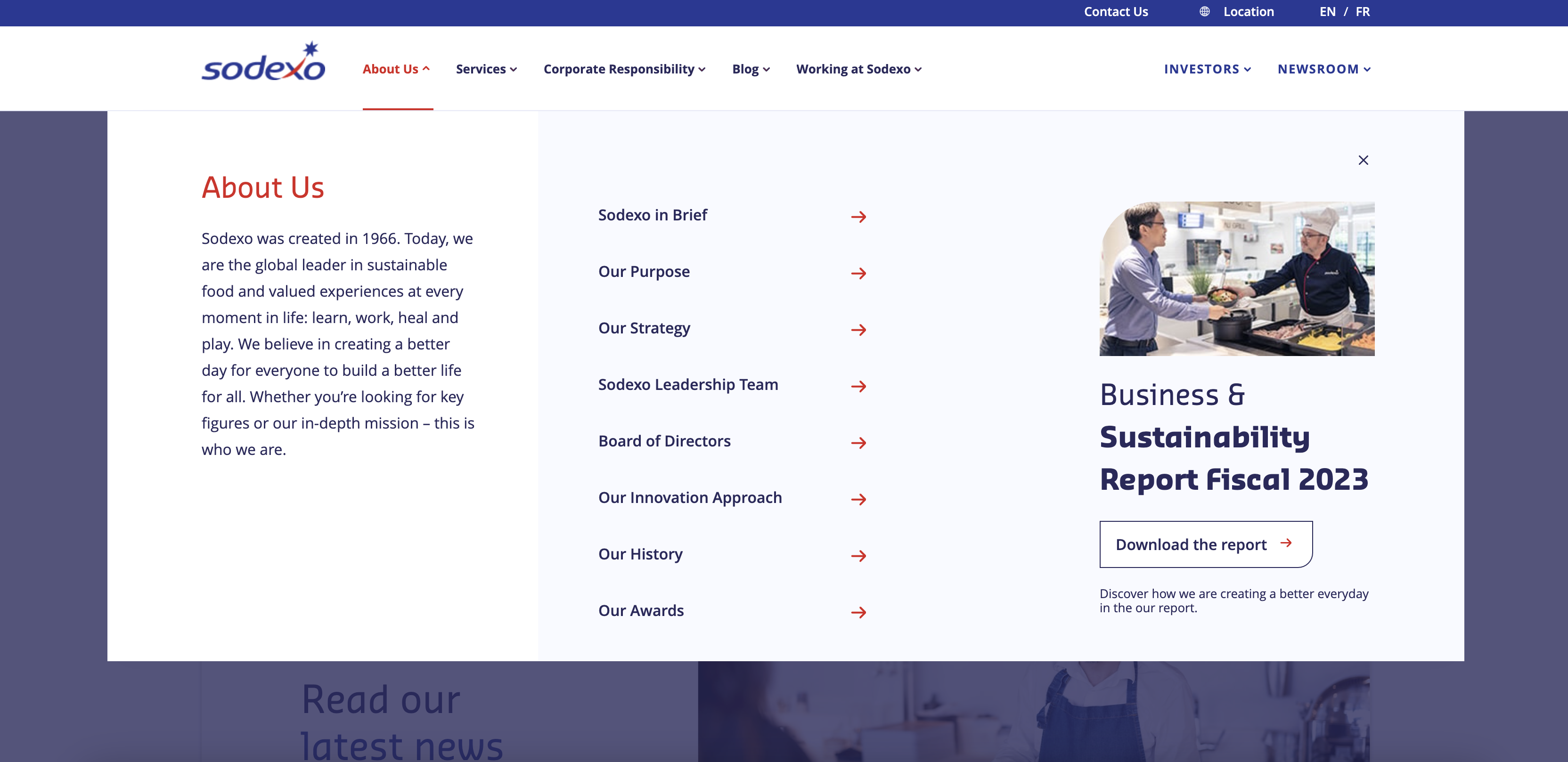
Strategic analysis: Develop frameworks, and perform analysis and reviews on Sodexo’s business portfolio across >22 countries in Asia Pacific, Middle East & Africa, and South America
Project Management: Plan, manage, and develop content for regional projects and leadership engagement activities
Organization re-design: Development of operating models, organization structure, and change management materials
Editor’s note: These internships are selected based on the “remote” tag, but some positions are hybrid ones and you may need to report physically to the office. For more deets, do contact the employer directly.
Currently enrolled in a Bachelor’s or Master’s degree program in Marketing, Business Analytics, or a related field
Strong analytical skills with proficiency in data analysis tools
Experience with Copy Writing and able to deploy retargeting strategies on Mailchimp/ Klaviyo
Familiarity with digital marketing platforms such as Google Ads, Facebook Ads, and others is a plus
A love for creative problem solving, autonomy to run projects, and a deep curiosity for understanding user behaviors
Key Responsibilities
Performance marketing
Assist in developing and executing performance marketing strategies to drive user acquisition and engagement
Analyze competitor data and industry trends to develop creative systems to drive core product metrics
Collaborate with cross-functional teams to optimize landing pages, user experience, and conversion funnels
Develop content strategies to drive engagement with target audience globally using Google Analytics and Facebook
Brand Strategy
Work with the marketing team to create brand guidelines to be used in all marketing collaterals across all online and offline channels
Develop core content pillars and retargeting funnels to drive awareness, engagement, and product signups using User Analytics tools like Clarity and Hotjar
A good command of the English language and impeccable grammar.
A strong interest and understanding of the comics and graphic novel medium; both superhero and independent properties, print and digital (including webcomics and webtoons).
Diplomatic and tactful in dealing with creators, partners, and internal team members. Able to handle sensitive conversations with multiple parties within a collaborative environment. Mindful of cultural differences that might exist regionally and internationally.
Good problem-solving skills. Responsible and able to work independently (as the team is primarily working from home), take initiative, and manage multiple tasks simultaneously.
Positive outlook, with the ability to adapt to dynamic, fast-paced environments and situations, both on and offline.
Able to work outside of office hours and on weekends (with replacement time-off given).
Key Responsibilities
Assisting the editorial team to edit or proofread comic manuscripts and artwork for publication; making style, structural, and grammar corrections, as well as other necessary art direction as required.
Providing general administrative support for the editorial team including but not limited to processing submissions, consolidating feedback, arranging meetings, etc.
Assisting the editorial team in researching and identifying potential comic book creators and projects relevant to the company’s vision.
Assisting with any marketing copy needed as tasked by the editors.
Will also be required to staff book events and workshops when needed.
Editor’s note: These internships are selected based on the “remote” tag, but some positions are hybrid ones and you may need to report physically to the office. For more deets, do contact the employer directly.
Good accounting knowledge especially with US standards generally accepted accounting practice (US GAAP) and Singapore Financial Reporting Standards (SFRS) and willingness to resolve accounting applications.
Basic understanding of Singapore tax regulations.
Excellent written, and verbal communication and interpersonal skills.
Fluent in written and spoken English.
Proficient in Microsoft applications including Excel, Word, and PowerPoint.
Detail-oriented, strong organization and time management skills.
Ability to meet assigned deadlines, proactive, responsible, and independent.
A self-starter with a desire to learn.
Key Responsibilities
Maintain and update daily cash flow reports. Prepare bank statement reconciliation and provide support on updating bank mandate and assist in the KYC process.
Assist in the preparation of all assets, liabilities, and capital account entries. Record the journal entries, vendor invoices, and cash movements with documentation.
Participate in the month-end closing process and prepare reporting packs. Reconcile financial discrepancies on all general ledger accounts and assist in analyzing financial statements and reporting on variances.
Prepare payments in the system by entering invoices and creating payment orders for final payment execution.
Update and maintain the internal accounting database, such as keeping track of all intercompany transactions. Monitor and update intercompany loan interest and principal.
Assist in the compilation of data for tax and compliance regulations in the United States, Singapore, United Kingdom, Switzerland, and Germany, including the filing of GST/VAT, withholding taxes, and corporate taxes.
Editor’s note: These internships are selected based on the “remote” tag, but some positions are hybrid ones and you may need to report physically to the office. For more deets, do contact the employer directly.
Social and emotional learning (SEL) holds significant importance in the holistic growth of a child in schools. It is pivotal to children’s physical, mental and emotional development. It provides children with essential abilities to understand and manage their emotions, foster positive connections with others and make wise choices. Therefore, understanding the importance of supporting social and emotional learning in international schools is indispensable.
In this write-up, we will explore how International schools in Singapore improve SEL.
Understanding the Core of Social and Emotional Learning
Social and emotional learning involves teaching and fostering skills such as self-awareness, self-management, social awareness, relationship skills, and responsible decision-making. These skills are foundational in helping students understand and manage their emotions, feel empathy for others, establish positive relationships, make responsible choices, and handle challenging situations. Let’s understand each of these in more detail.
Self-Awareness: Students learn to recognise their emotions, thoughts, and values and understand how they influence behaviour.
Self-Management: This involves effectively regulating one’s emotions, thoughts, and behaviours in different situations.
Social Awareness: Developing empathy, respect for others, and understanding diverse perspectives.
Relationship Skills: Learning to establish and maintain healthy and rewarding relationships based on cooperation.
Responsible Decision-Making: Making ethical, constructive choices about personal and social behaviour.
Incorporating SEL into the Curriculum
Integrating SEL into the primary school curriculum requires a strategic approach. This includes dedicated SEL lessons, embedding SEL principles into academic subjects, and creating a supportive school environment.
Dedicated SEL Lessons: Schools can allocate specific time for SEL activities and discussions, allowing students to learn and practise these skills in a structured setting.
Embedding SEL in Academic Subjects: Teachers can integrate SEL concepts into subjects like literature, social studies, and science, making these lessons relevant and practical.
Creating a Supportive Environment: A school climate that promotes respect, kindness, and empathy enhances the effectiveness of SEL.
SEL and Primary School Fees in Singapore
When considering a primary school fee in Singapore, evaluating the school’s commitment to SEL is essential. Schools that invest in SEL often provide a more nurturing and inclusive learning environment, contributing significantly to a child’s emotional and social development.
Value for Money: Investing in a school that prioritises SEL ensures that the primary school fee in Singapore contributes not only to academic excellence but also to the holistic growth of the child.
Long-Term Benefits: The skills acquired through SEL are invaluable and have long-term benefits, enhancing the worth of the educational investment.
The Role of Teachers and Parents in SEL
Teachers and parents are crucial in fostering Social and Emotional Learning (SEL) in children. In the classroom, teachers have the unique opportunity to embody SEL principles. By demonstrating skills like empathy, emotional regulation, and effective communication, they set a powerful example for their students.
More than just educators, they are role models, guiding students in understanding and managing their emotions, developing empathy, and cultivating strong interpersonal skills.
Creating a nurturing and safe environment is essential for SEL to thrive
Teachers can achieve this by designing classroom activities that promote SEL competencies, encouraging students to express their feelings, and showing understanding and support. This approach helps students feel valued and understood, fostering a sense of belonging and community in the classroom.
Parents complement this learning at home
They play a pivotal role in reinforcing their children’s SEL skills at school. Through active listening, parents can show their children that their feelings and thoughts are essential. This kind of validation is key to building a child’s self-esteem and emotional intelligence. Moreover, by practising and displaying empathy in daily interactions, parents teach their children the importance of understanding and respecting others’ perspectives.
Open communication is another critical aspect
Both teachers and parents should strive to create spaces where children feel comfortable sharing their thoughts and emotions. This open dialogue is fundamental to SEL, allowing children to navigate their feelings and develop healthy coping mechanisms. By working together, teachers and parents can ensure a consistent and supportive environment for children’s social and emotional growth, laying a strong foundation for their future well-being and success.
Challenges and Solutions in Implementing SEL
Implementing SEL in primary schools can come with challenges, such as a lack of time, resources, or teacher training. However, these can be addressed through professional development for educators, integrating SEL into existing curricula, and involving the entire school community in SEL initiatives.
Professional Development for Educators: To ensure the effective implementation of Social and Emotional Learning (SEL), comprehensive professional development for educators is essential. This involves offering targeted training programs that cover the latest SEL methodologies and practices. Resources like specialised SEL teaching materials and platforms for collaborative learning among educators further support this initiative.
Community Involvement: Engaging the wider community in SEL initiatives is very important for creating a supportive and consistent environment for students. This involves organising workshops and discussions that include parents, guardians, and local community members, fostering a collaborative approach to SEL.
Incorporating Technology and Digital Tools: Utilising digital platforms and educational technology can be an effective way to overcome resource limitations in SEL implementation. Interactive online tools, apps, and platforms can provide engaging, accessible ways for students to learn and practise SEL skills.
Regular Evaluation and Feedback Mechanisms: Establishing a system for regular assessment and feedback is essential in measuring the effectiveness of SEL programs. Schools can implement surveys, interviews, and observation methods to gather data on students’ social and emotional development. This feedback can inform continuous improvement in SEL strategies, ensuring they are responsive to the unique needs of the student body.
Building Partnerships with SEL Experts and Organisations: Collaborating with experts and organisations specialising in SEL can provide schools with additional support and resources. These partnerships can bring in fresh perspectives, specialised training, and additional materials that can enhance the school’s existing SEL programs.
International School and SEL
An International School typically embraces a diverse and inclusive approach to education, making it an ideal setting for effective SEL. These schools often have a global perspective that enriches the SEL experience, exposing students to various cultures and viewpoints.
Diverse Learning Environment: International schools offer a unique environment for practising SEL skills, given their culturally diverse student body.
Global Perspective: SEL in the context of an international school can foster global citizenship and empathy towards diverse cultures.
Social and emotional learning is an indispensable part of primary education, especially in the context of Singapore’s diverse educational landscape. It equips children with essential life skills, preparing them for academic success and personal and social challenges.
Whether considering the primary school fee in Singapore or the choice of a school, integrating SEL into the curriculum should be a key factor in decision-making. By prioritising SEL, schools can contribute significantly to nurturing well-rounded, empathetic, and socially competent individuals.