If you’ve ever wondered whether certain outlets are “luckier” than others, you’re not alone.
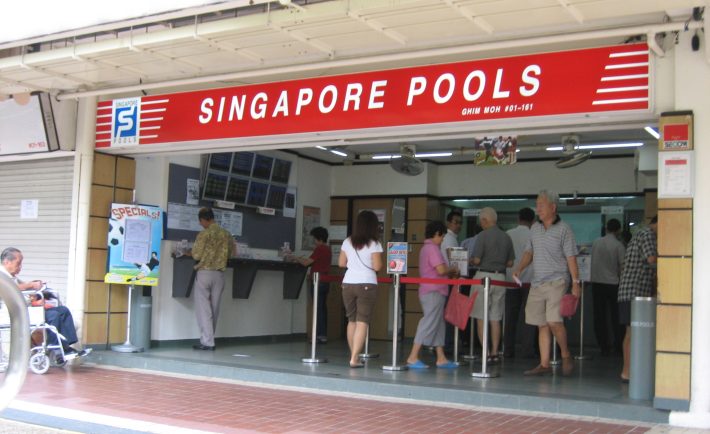
Singapore Pools publishes a running list of TOTO Winning Outlets — tracking where Group 1 (Jackpot) and Group 2 prizes were sold under the current 6/49 format (since October 2014).
While every ticket has the same mathematical odds, it’s always interesting to see which outlets have historically produced the most top-tier wins.
Based on the published Winning Outlets ranking, here are the Top 20 outlets with the highest number of Group 1 & Group 2 wins combined:
Singapore Pools – Top TOTO Winning Outlets
Group 1 & 2 prize frequency · Data from draws since 9 Oct 2014 (6-out-of-49 format)
#
Outlet
Group 1 Wins
Group 2 Wins
Total Wins
1.
Singapore Pools Account Betting Service ONLINE
219
1,225
1,444
2.
Delisia Agency Pte Ltd
24
100
124
3.
Tong Aik Huat
20
139
159
4.
NTUC FairPrice NEX
18
79
97
5.
Singapore Pools King George’s Ave Branch
16
40
56
6.
Fatt Chye Heng Trading
16
55
71
7.
Tan Wee Fong Trading
15
71
86
8.
NTUC FairPrice AMK Hub
15
57
72
9.
PFG Framing & Trading
14
53
67
10.
Ng Teo Guan Self Service
14
78
92
11.
Mee Lee Cheong Pte. Ltd.
14
53
67
12.
Laura’s Gifts
14
32
46
13.
Singapore Pools Suntec City Branch
13
38
51
14.
Singapore Pools Toa Payoh Lorong 1 Branch
12
49
61
15.
Singapore Pools People’s Park Centre (Chinatown) Branch
12
82
94
16.
Singapore Pools Hougang N1 Branch
12
44
56
17.
Singapore Pools Clementi N7 Branch
12
37
49
18.
NTUC FairPrice Tampines Mall
12
64
76
19.
Singapore Pools Yishun N1 Branch
11
56
67
20.
Singapore Pools Whampoa Drive Branch
11
51
62
Source: singaporepools.com.sg · Data from 9 Oct 2014 onwards (6-out-of-49 format)
So… Should You Buy From These Outlets?
That’s entirely up to you.
Some players enjoy buying from outlets with a strong winning history. Others just buy wherever is convenient. At the end of the day, TOTO is a game of chance — not geography.
Still, it’s always fun to know which locations have seen the most jackpot celebrations over the years.
In Singapore’s fast-evolving economy, skills have become the primary currency of career growth. As industries adapt to digitalisation, automation, and global competition, employees are increasingly expected to update their capabilities throughout their working lives. Relying solely on past education or experience is no longer enough to remain competitive in the job market.
For working professionals, lifelong learning is no longer optional—it is essential. Employees who actively build new skills are better positioned to adapt to change, take on higher responsibilities, and future-proof their careers. Structured learning pathways play a critical role in supporting this continuous development, especially when they are aligned with industry needs and practical workplace outcomes.
Why Skills-Based Learning Matters More Than Ever
Singapore’s workforce strategy places strong emphasis on employability, productivity, and adaptability. Employers today value skills that can be applied immediately at work, rather than purely theoretical knowledge. As job roles evolve, employees are expected to develop both technical and transferable skills to stay relevant.
Skills-based learning helps employees:
Respond to changing job requirements
Improve performance and efficiency
Increase mobility across roles and industries
Build long-term career resilience
This shift has led many working adults to seek structured upskilling options that fit alongside full-time employment.
Core Skill Areas Employees Should Focus On
While the exact skills needed vary by industry, several broad skill areas are consistently valuable across Singapore’s workforce. These skills support both immediate job performance and long-term career growth.
1. Digital and Technology Skills
Digital literacy is no longer limited to IT roles. Employees across sectors are expected to understand digital tools, data systems, and technology-driven workflows.
Key digital skills include:
Data handling and basic analytics
Digital communication and collaboration tools
Understanding automated or technology-enabled processes
Cyber awareness and digital safety
These skills improve efficiency and help employees adapt to increasingly digital workplaces.
2. Technical and Job-Specific Competencies
For many industries in Singapore—such as engineering, manufacturing, logistics, healthcare, and built environment—technical expertise remains critical. Employees with strong technical foundations are often more productive and better prepared for advanced roles.
Job-specific skills may include:
Operating specialised equipment or systems
Applying technical standards and procedures
Troubleshooting and problem-solving in real work settings
Understanding industry regulations and safety practices
Structured learning helps employees formalise these competencies and apply them consistently.
3. Problem-Solving and Critical Thinking Skills
As work becomes more complex, employees are increasingly expected to think critically rather than follow fixed instructions. Problem-solving skills enable individuals to respond effectively to unexpected challenges and contribute to continuous improvement.
These skills include:
Analysing situations and identifying root causes
Evaluating options and making informed decisions
Applying logic and judgement in real-world scenarios
Adapting solutions based on outcomes
Strong problem-solving abilities are valued across all sectors and seniority levels.
4. Communication and Collaboration Skills
Technical skills alone are not enough for career growth. Employees must also communicate effectively and collaborate with diverse teams. In Singapore’s multicultural and team-oriented work environment, these skills are especially important.
Effective communication skills support:
Clear exchange of ideas and information
Better teamwork and coordination
Stronger relationships with colleagues and stakeholders
Improved leadership and supervisory potential
Courses that incorporate group work, presentations, and real-world scenarios help employees build these competencies naturally.
5. Adaptability and Learning Agility
Perhaps the most valuable skill in a changing job market is the ability to learn continuously. Employees who demonstrate adaptability are more likely to thrive during organisational changes, industry shifts, or economic uncertainty.
Learning agility involves:
Openness to new ideas and technologies
Willingness to update skills regularly
Ability to transfer knowledge across contexts
Confidence in navigating change
Structured lifelong learning helps employees develop this mindset and remain proactive about career growth.
Structured Learning Pathways for Skill Development
One challenge employees often face is identifying credible, structured ways to upgrade skills while working. Short workshops or informal learning can be useful, but they may not always provide comprehensive or recognised outcomes.
This is where SkillsFuture courses play an important role. These courses are designed to help working adults build practical, industry-relevant skills through structured training and recognised competency frameworks. Employees exploring structured upskilling options can consider SkillsFuture courses that focus on applied learning, professional competencies, and clear progression outcomes.
Balancing Work, Learning, and Career Progression
One of the strengths of structured upskilling pathways in Singapore is their focus on accessibility for working adults. Many programmes are designed to complement full-time employment, allowing learners to upgrade skills without taking extended career breaks.
This approach enables employees to:
Continue earning while learning
Apply new skills directly at work
Demonstrate immediate value to employers
Progress steadily without disrupting career momentum
For employers, this also results in a more capable and future-ready workforce.
The impact of skills-based learning is also visible beyond the workplace, particularly in hiring and job market outcomes. In Singapore, more than 2.3 million job applications have been submitted through skills-focused platforms, reflecting how recognised skills and structured learning can strengthen employability and improve shortlisting opportunities for working professionals.
Long-Term Career Benefits of Skills-Based Learning
Employees who invest in structured skill development often experience long-term benefits beyond immediate job performance. Over time, skills-based learning can support:
Career advancement and promotion opportunities
Greater job security and employability
Smoother transitions across roles or industries
Stronger professional confidence
In a competitive labour market like Singapore’s, these advantages can make a meaningful difference.
Conclusion
In today’s skills-driven economy, continuous learning is essential for sustained career growth. Employees who focus on building practical, relevant skills are better equipped to adapt to change and seize new opportunities.
Through structured and industry-aligned learning pathways, working professionals can develop valuable technical, digital, and transferable skills while remaining active in the workforce. For those committed to lifelong learning, investing in skill development is not just a career move—it is a long-term strategy for resilience and success.
Valentine’s Day doesn’t have to come with big expectations — or an even bigger bill. This February, Great World is redefining how love is celebrated, proving that the most meaningful moments don’t need extravagant spending to feel special.
From heartfelt messages to a thoughtfully curated date experience, Great World’s Valentine’s experience is all about one simple idea: when you spend less on the fuss, you get more room for what really matters — love.
Love, In All Its Forms (2–12 Feb)
Ahead of Valentine’s Day, Great World is inviting shoppers to begin with what truly matters — expressing love in its many forms.
From 2 to 12 February, members of the public can submit a love message or image dedicated to someone special in their lives. It could be for a partner, parents, children, friends, pets, or even a note of appreciation to yourself. There’s no “right” way to do it — just honest, heartfelt messages that reflect everyday love.
Selected submissions will be featured across Great World’s in-mall digital screens and social media platforms, turning a regular mall visit into something a little more personal. Some entries will also receive a Slow Green rose bowl as a small keepsake to mark the moment.
Or scan the QR code here or those displayed on-site around the mall
More details on the overall Valentine’s experience can be found here.
Where Love Turns Into Quality Time (13–15 Feb)
From 13 to 15 February, selected love messages will start appearing across digital panels throughout Great World — keep an eye out for subtle hints scattered around the mall, and you’ll be led to a lovely surprise.
Head up to Level 3 Roof Terrace, where Great World has created a relaxed, no-frills spot that’s perfect for spending time together*. Think easy conversations, unhurried moments, and a setting that feels special without trying too hard.
This isn’t just for couples. Families, friends, and multi-generation groups will feel right at home here too — because love doesn’t come in just one form.
* subject to weather conditions
Simple, Thoughtful, and (Quietly) Atas
To make things easy, picnic mats are provided, so all you need to do is grab your food and settle in.
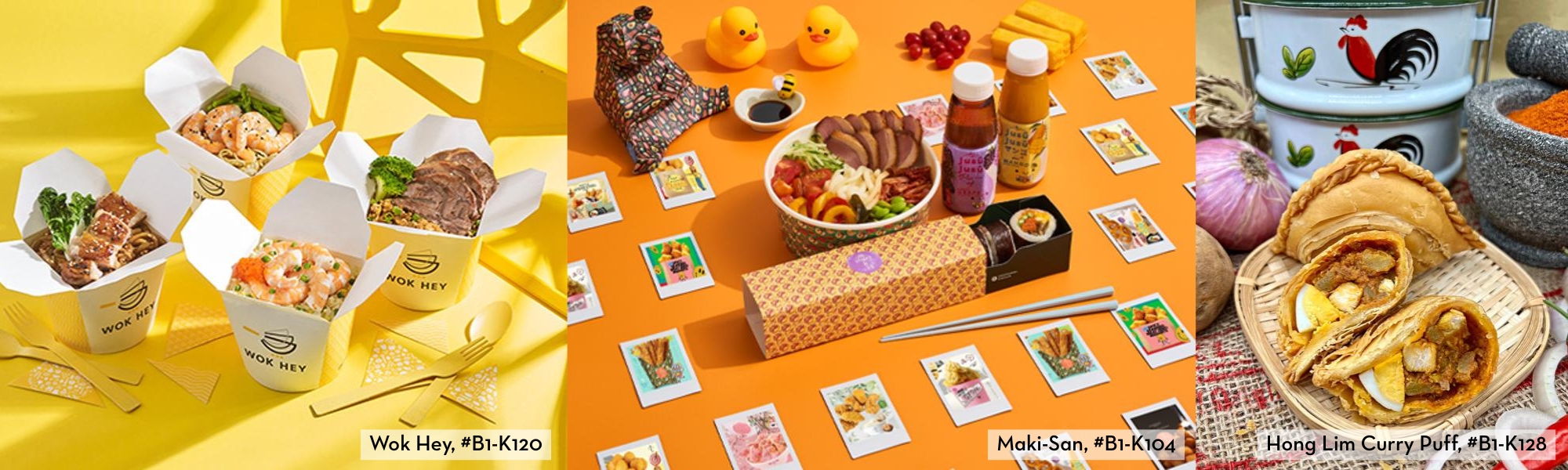
Food options nearby keep things accessible and satisfying, with crowd favourites like Maki San (#B1-K104), Wok Hey (#B1-K120) (opening soon), and Hong Lim Curry Puff(#B1-K128) (opening soon) offering familiar comfort food that’s easy to share and easy on the wallet. No fancy reservations, no complicated planning — just good food and good company.
You can also share love messages during your visit, with selected messages appearing on digital panels — a small but meaningful touch that adds to the experience.
Valentine’s, On Great World’s (13–14 Feb)
If you’re stopping by on 13 – 15 February, Great World has quietly added a few thoughtful touches to make the visit feel extra special.
Simply share a secret code at the Customer Service Counter on Level 2, and you’ll receive a curated set of complimentary items designed to complete the experience — no spending pressure, no hoops to jump through.
The bundle includes:
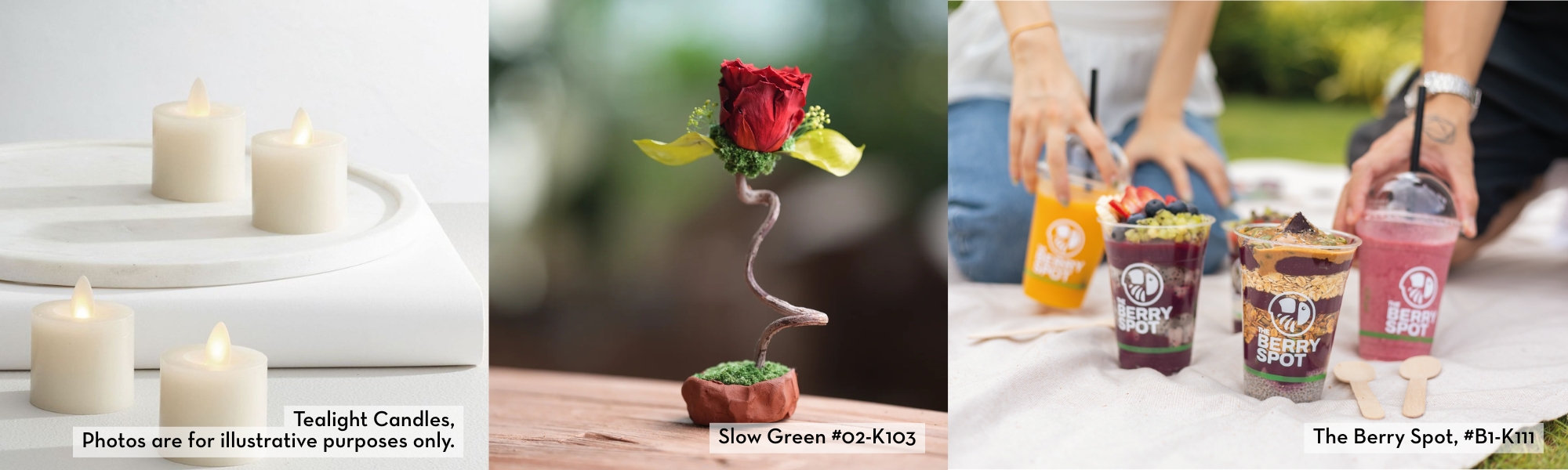
A tealightcandle, perfect for setting a cosy mood later in the evening
A $10 Slow Green (#02-K103) voucher, ideal for picking up a small floral treat or greenery
A small bowl from The Berry Spot (#B1-K111) with two toppings, for something sweet to share
A picnic mat, so you can settle in comfortably and enjoy the moment
Taken together, these little details add up to something meaningful — thoughtful touches that encourage you to pause, hang around a little longer, and enjoy being together.
There’s no big minimum spend and no complicated mechanics involved. It’s simply Great World’s way of saying: come as you are, enjoy the moment, and let the rest fall into place.
Because Love Isn’t About Spending More
Valentine’s Day doesn’t have to be loud or lavish to be memorable. Sometimes, it’s the quieter moments — a shared meal, a handwritten message, time spent together — that stay with us the longest.
If you’re looking for a way to celebrate that feels genuine, relaxed, and easy on the wallet, this might be one to bookmark.
Love More, Spend Less. Only at Great World.
Great World Address: 1 Kim Seng Promenade, Singapore 237994 Operating hours: 10am – 10pm daily
Chinese New Year shopping at FairPrice Xtra is getting a whole lot more playful.
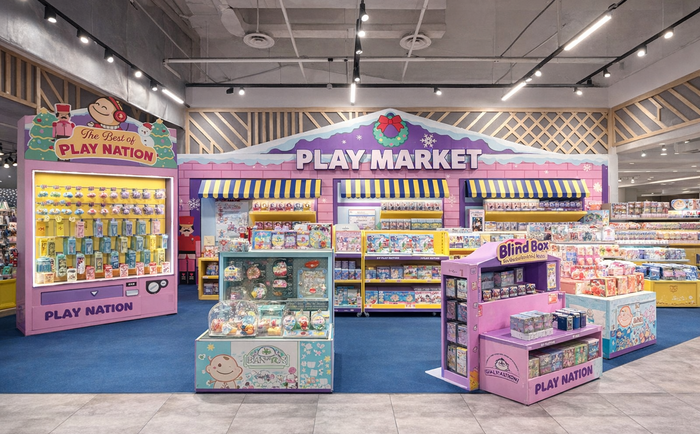
From 16 January 2026, FairPrice Xtra officially unveils Xtra Play Market, a brand-new permanent store-in-store concept that transforms the hypermarket into a vibrant destination for blind boxes, plush collectibles, and viral retail experiences — all rolled out just in time for the festive season.
Developed in partnership with local play and collectibles brand Play Nation, Xtra Play Market is designed to modernise the festive grocery run — shifting it from a purely functional errand into something more experiential, interactive, and rewarding.
The concept is now live at selected FairPrice Xtra outlets including Ang Mo Kio Hub, JEM, Jurong Point, NEX and VivoCity, bringing together global fan favourites like Sanrio, Care Bears, and Peanuts, alongside festive, Singapore-inspired collectibles created specially for CNY.
A World-First: The Abalone Market Plush Experience
Stealing the spotlight is the world-first Abalone Market Plush Experience, happening exclusively at FairPrice XtraAng Mo Kio Hub.
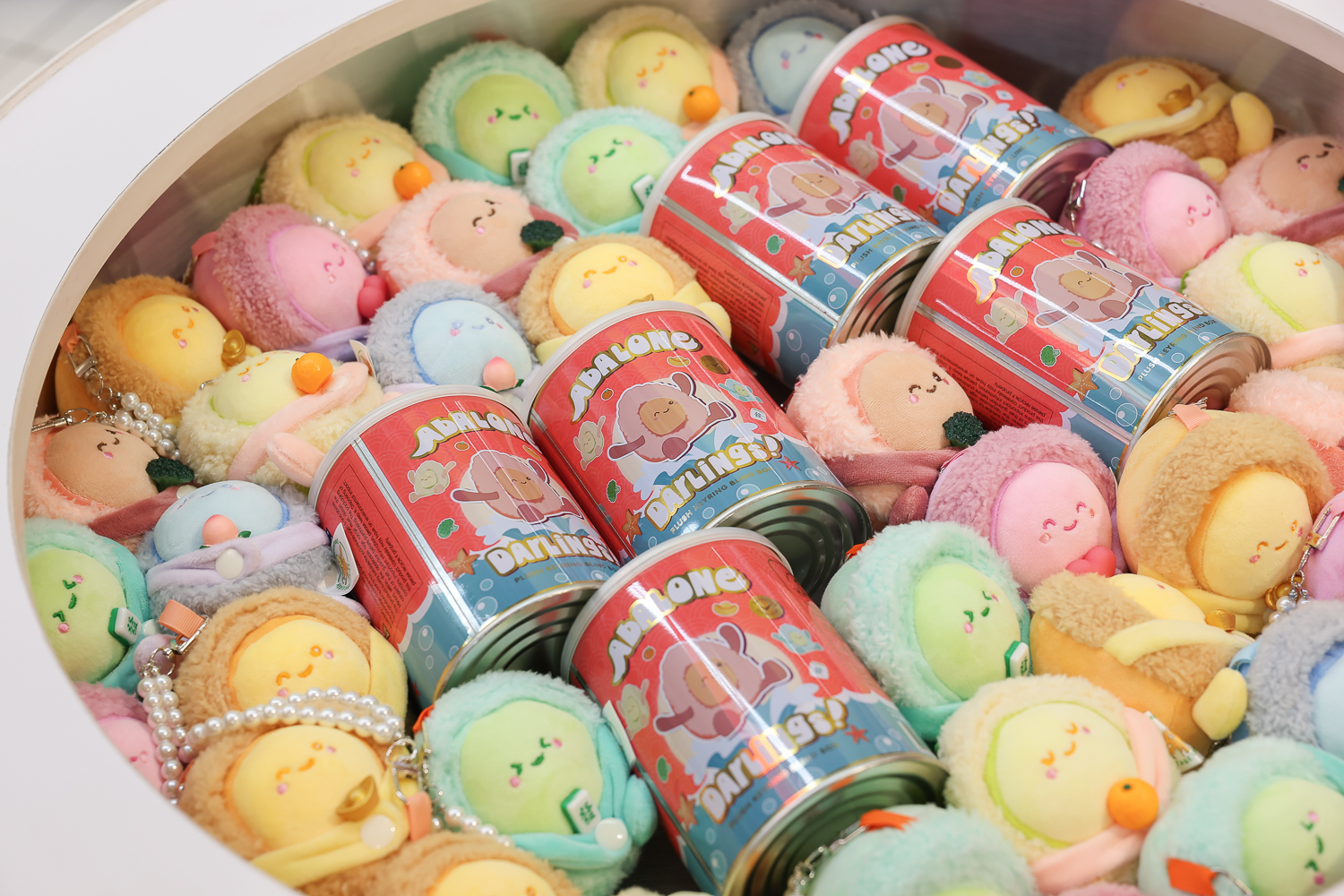
Running from 16 January to 18 February 2026, this immersive activation reimagines the familiar wet market — but with plushies instead of seafood. Shoppers can “fish” for Abalone Darlings plush blind boxes from a bed of ice, then watch as their chosen plush is professionally sealed into a custom abalone-style can on the spot.
It’s playful, hyper-local, and highly Instagrammable — turning a simple blind box purchase into a festive memory worth keeping (and sharing).
Abalone Darlings (Bao Bao) Blind Box 💰 $18.80 each 🎁 6 designs to collect: Bubbles, Fortuna, Harmony, Poppy, Candy & Joy 📍 Exclusive to FairPrice Xtra stores. Experience the Abalone Plush Market at FairPrice Xtra AMK Hub
Festive Collectibles with a Very Singapore Twist
Beyond the Abalone Market, Xtra Play Market introduces a curated line-up of CNY-exclusive, hyper-local collectibles, many of which are only available at FairPrice.
Fortune Nibbles Plush Keyring Series — $15.90
Eight blind-box designs inspired by iconic CNY snacks like Pineapple Tart, Kueh Bangkit and Hae Bee Hiam. Each plush comes with a transparent carry case, doubling as a festive bag charm. 📍 Available across FairPrice, FairPrice Finest, FairPrice Xtra, FairPrice Express and selected Cheers stores
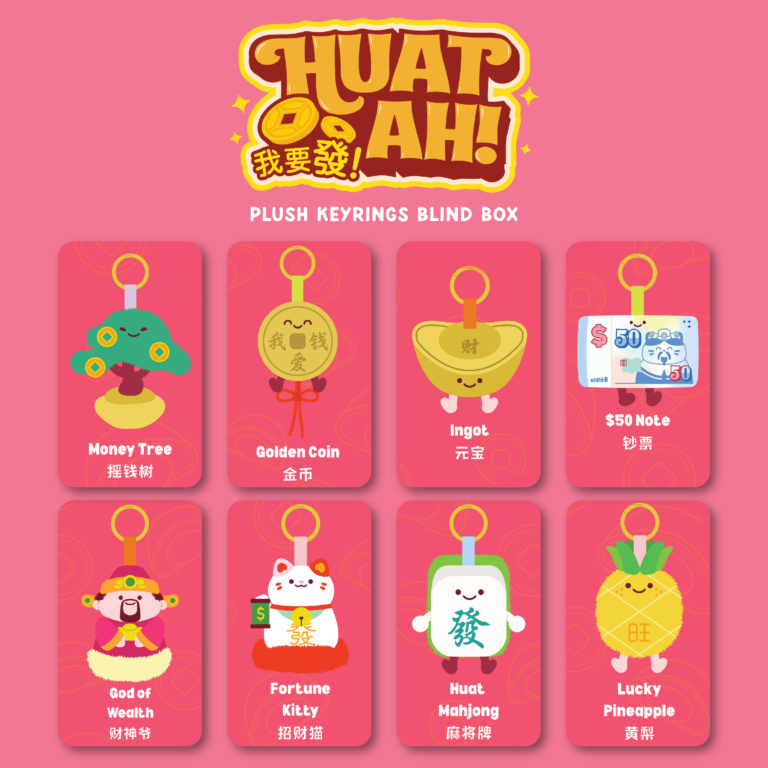
The Auspicious Huat Ah! Crew Series — $14.90
Eight “Huat Ah”-themed plush key rings packed with lucky motifs and festive energy — easy to clip on and carry throughout the new year.
📍 Available across all FairPrice formats and selected Cheers stores
Launch Promos & CNY Rewards That Make It Xtra Shiok
To celebrate the launch of Xtra Play Market, shoppers can enjoy Xtra-rewarding promotions:
FREE Peanuts Building Blocks Blind Box
With a minimum $30 spend in a single receipt at Xtra Play Market.
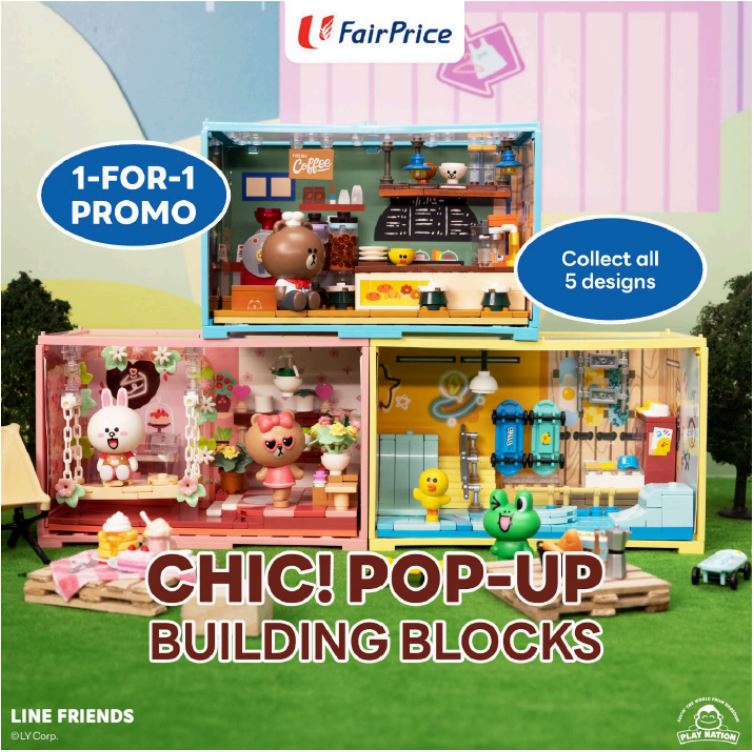
1-for-1 Chic! Pop-up Building blocks from now till 28 February 2026
Collect all 5 designs of the Chic! Pop-up Building blocks.
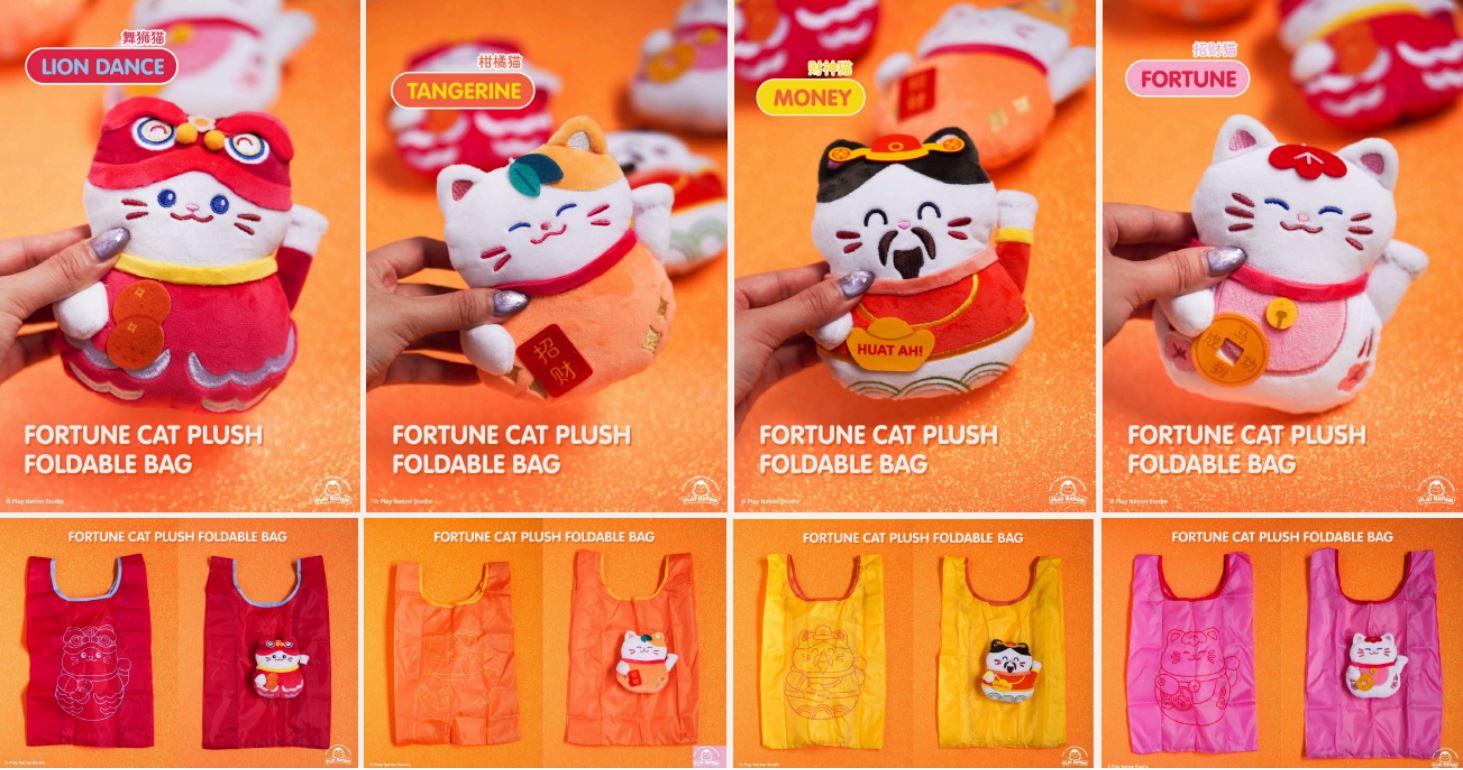
Limited-Edition Fortune Cat Plush Foldable Bags
Take part in the festive up-spend campaign across all FairPrice Xtra stores and redeem these exclusive bags, available in four charming designs — perfect for families stocking up for CNY gatherings.
This CNY, FairPrice Xtra Isn’t Just a Stop — It’s a Destination
Xtra Play Market signals something new: a hypermarket that doesn’t just sell things, but creates moments. A place where grocery shopping slows down just enough for play, surprise, and a bit of festive joy.
If you’re already heading to FairPrice Xtra for CNY prep, you might as well stay awhile — you’ll probably leave with more than just mandarin oranges.
If you’re a parent, parent-to-be, or stocking up for the months ahead, this is the baby event everyone is looking forward to.
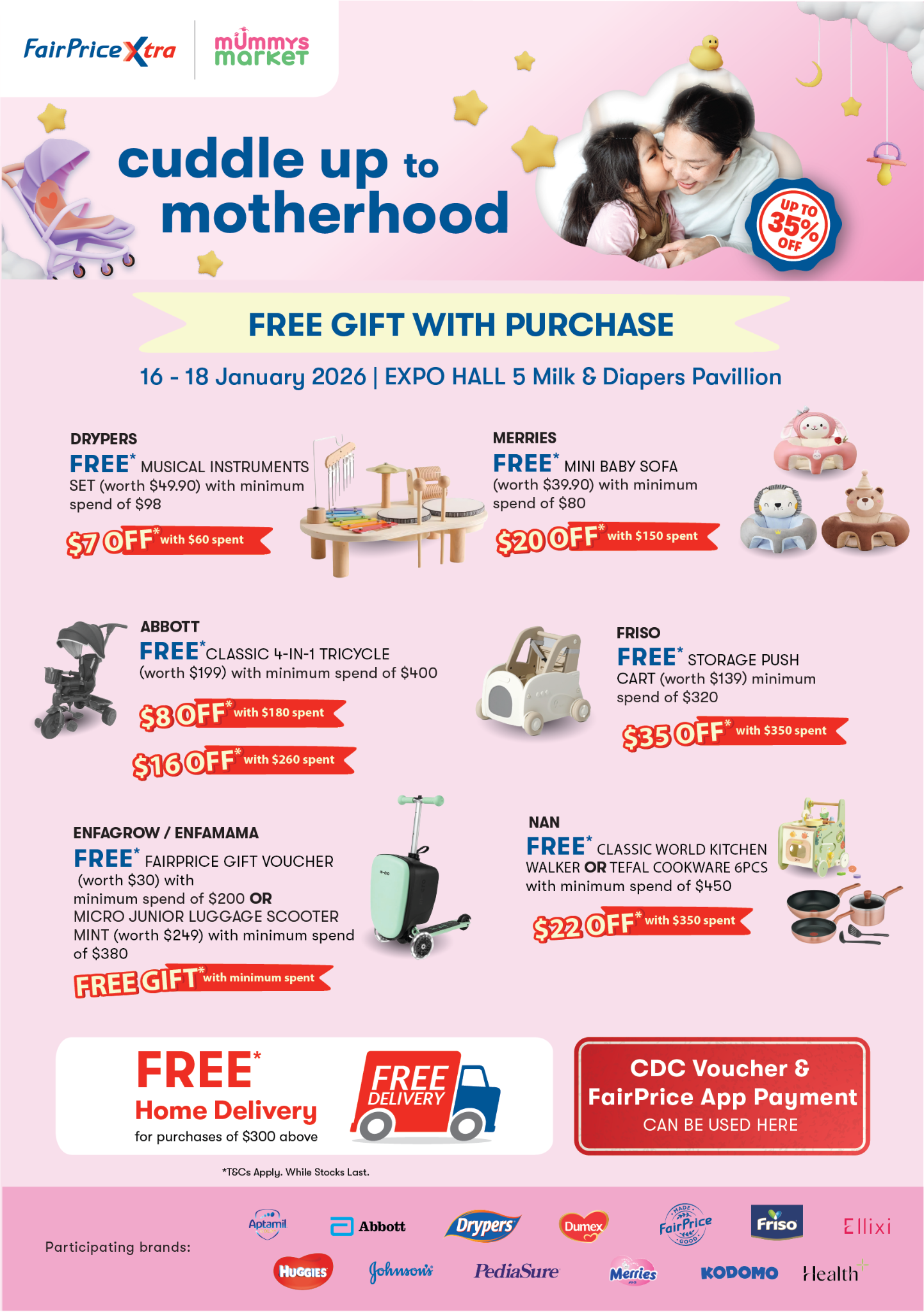
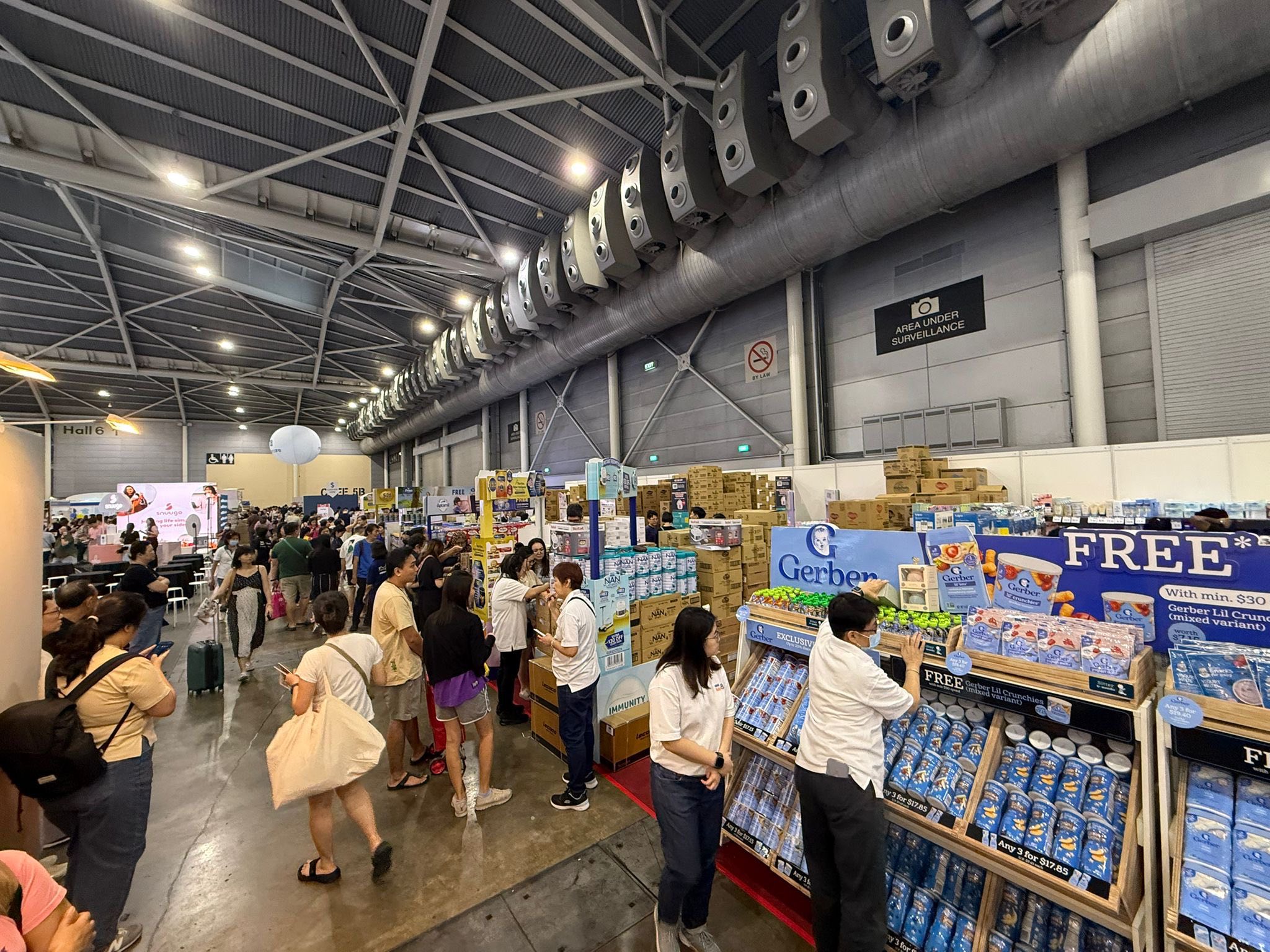
FairPrice Xtra will be back at the much-anticipated Mummy’s Market. Catch them from 16 to 18 January 2026, at Expo Hall 5’s Milk & Diapers Pavilion, bringing together serious savings, exclusive free gifts with purchase, and great baby deals you simply won’t get on a normal shopping day.
Why You Should Show Up Early for Mummy’s Market (And Don’t Wait Till Sunday)
For three days only, parents can enjoy event-exclusive prices and gifts when they shop at FairPrice Xtra’s Milk & Diaper Pavilion at Singapore Expo.
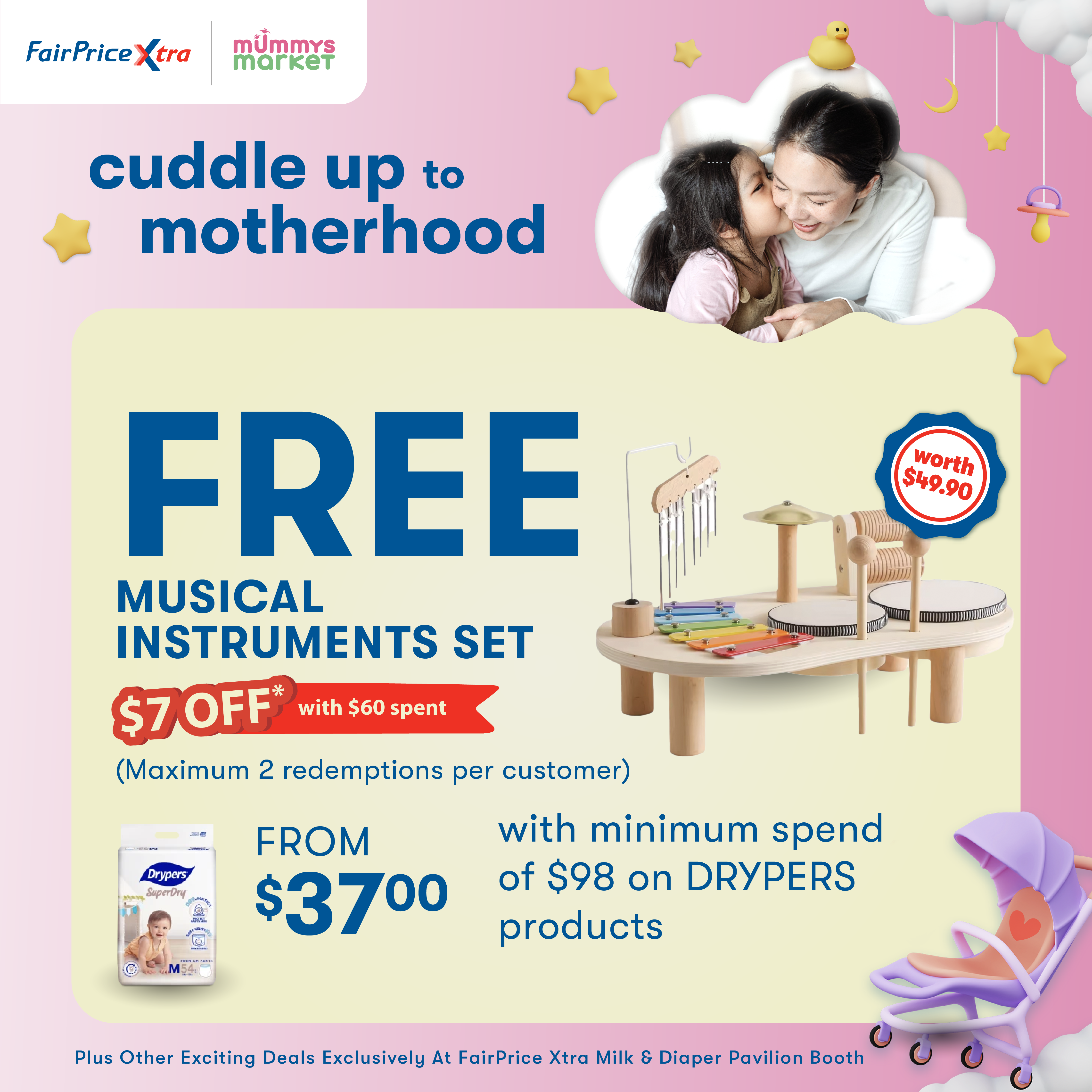
FREE Musical Instruments Set (worth $49.90) with Drypers
Purchase Drypers diapers and redeem a wooden musical instruments set designed for early sensory play. A practical freebie that adds play value beyond just baby essentials.
FREE Mini Baby Sofa (worth $39.90) with Merries
Spend on Merries diapers and take home a mini baby sofa that offers comfortable seating support for little ones. Limited redemptions apply.
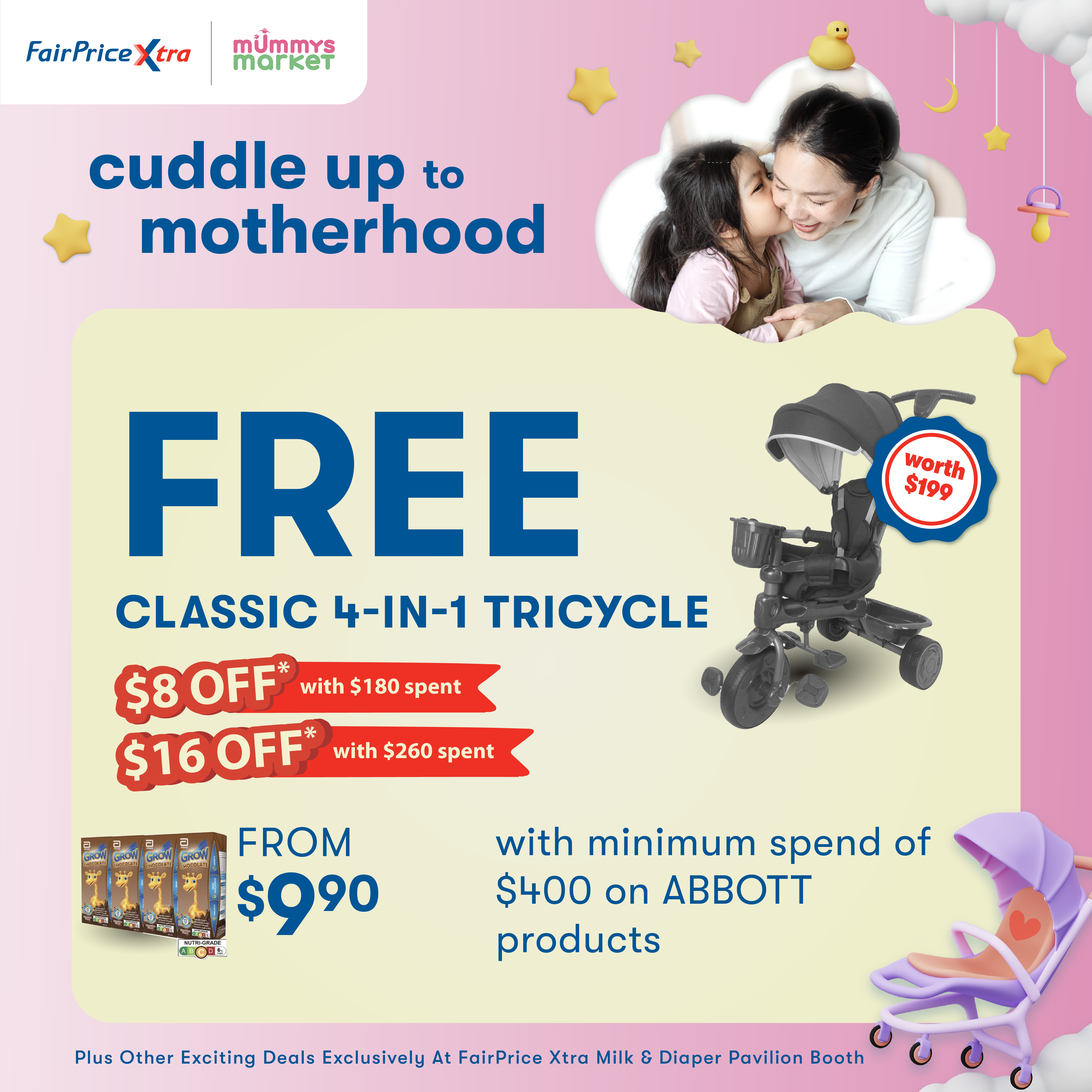
FREE Classic 4-in-1 Tricycle (worth $199) with Abbott
More than a toy, this tricycle is built to adapt as your child grows. Abbott purchases unlock a free ride-on that can be used across multiple stages.
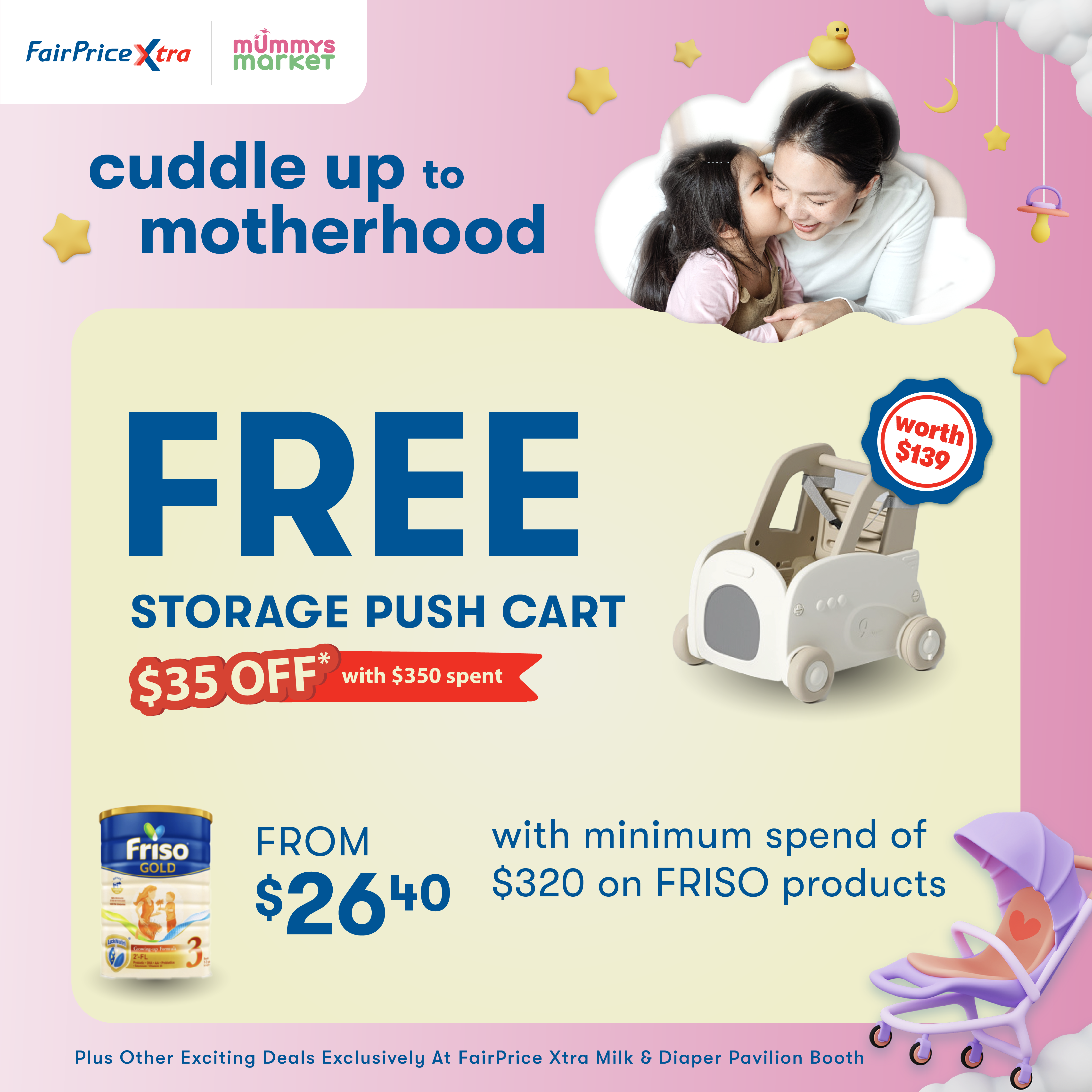
FREE Storage Push Cart (worth $139) with Friso
Part play, part organisation. The storage push cart encourages movement while giving parents a practical way to keep toys and essentials in one place. Get it for FREE when you make a minimum spend of $320 on FRISO products.
Choose between a $30 FairPrice voucher or a Micro Junior luggage scooter worth $249 with a mimum spend of $200 or $380 on Enfagrow / Enfamama products respectively.
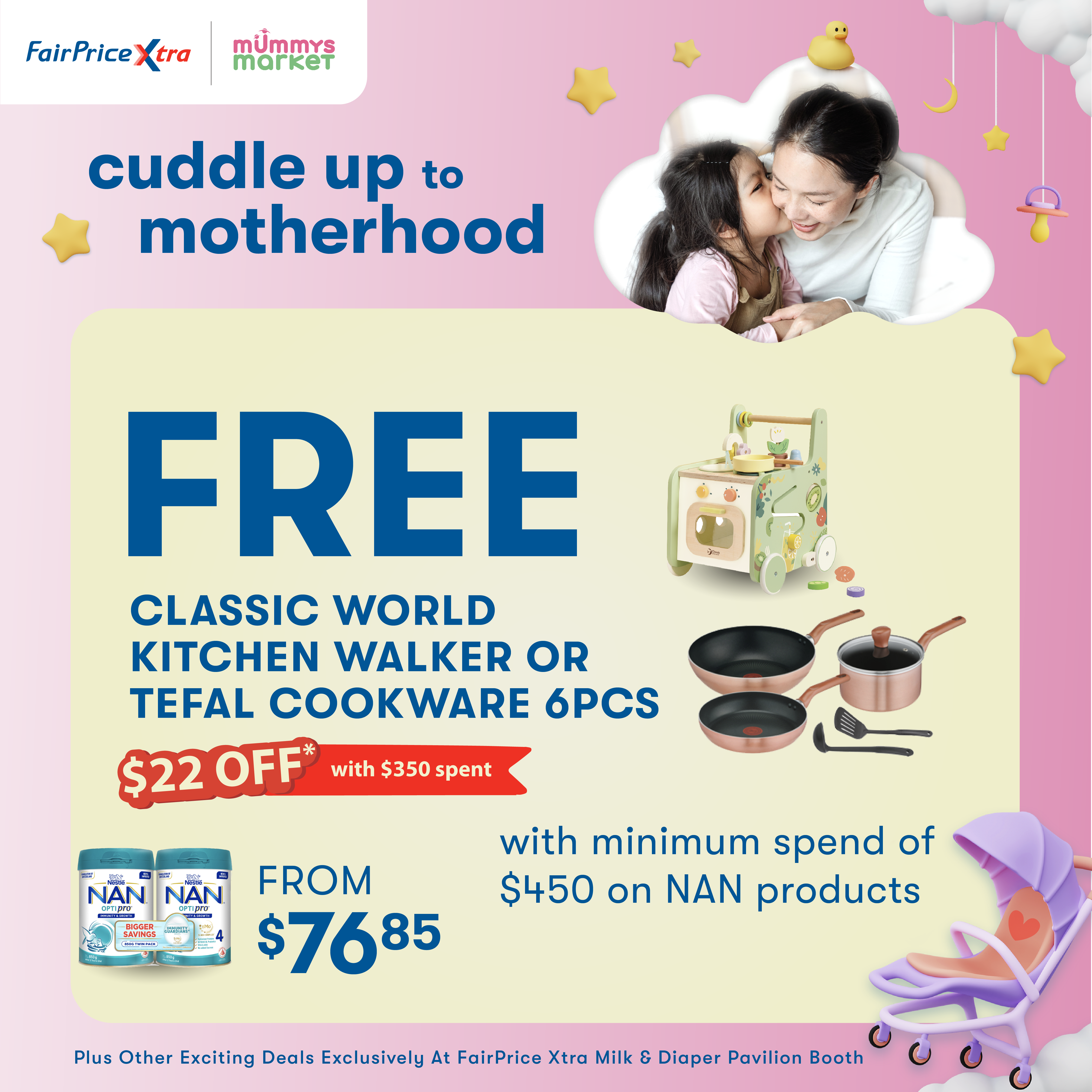
FREE Classic World Kitchen Walker OR Tefal Cookware (6pcs) with NAN
With qualifying NAN purchases, choose a FREE Classic World kitchen walker or a 6-piece Tefal cookware set, depending on availability.
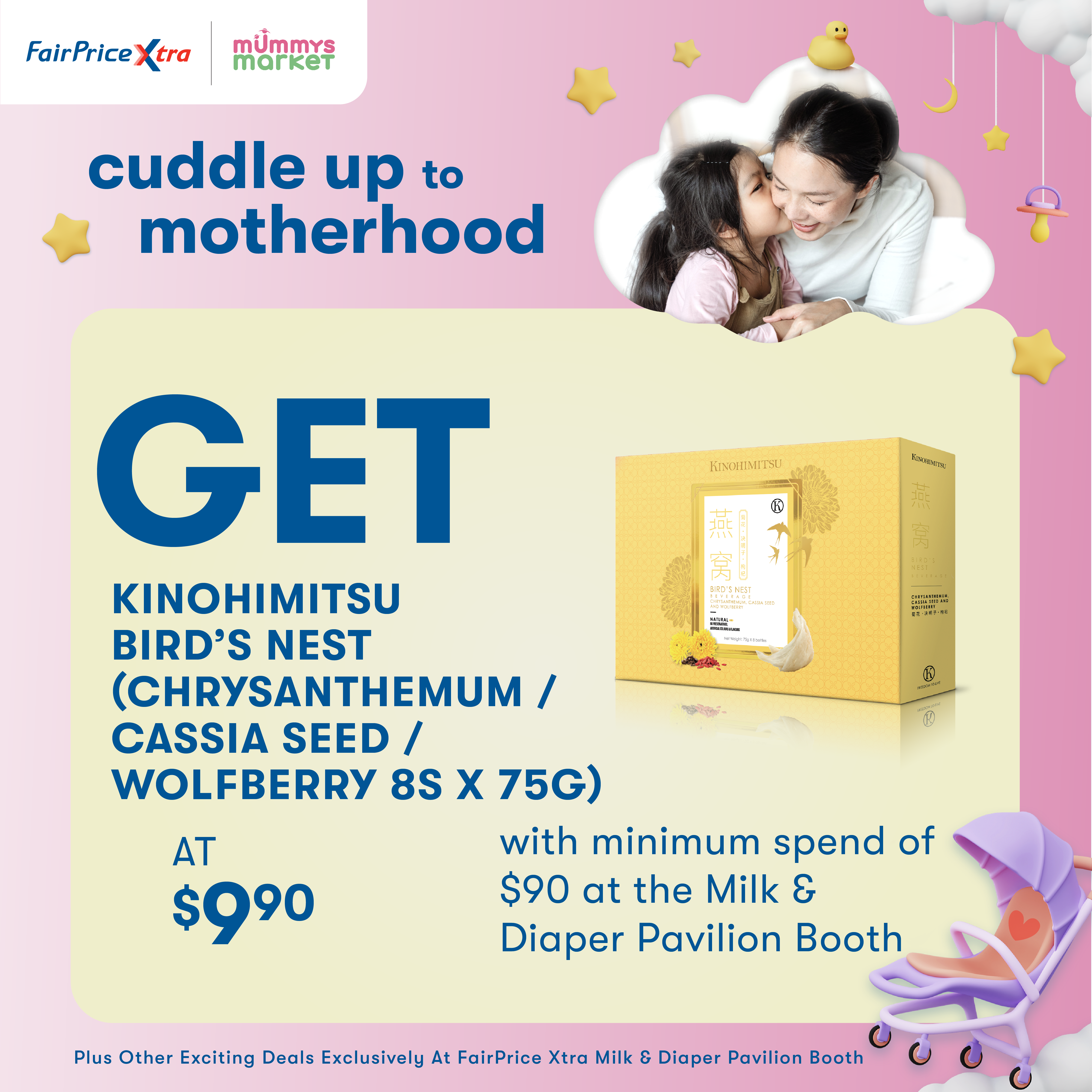
GET Kinohimitsu Bird’s Nest (8s × 75g) at $9.90
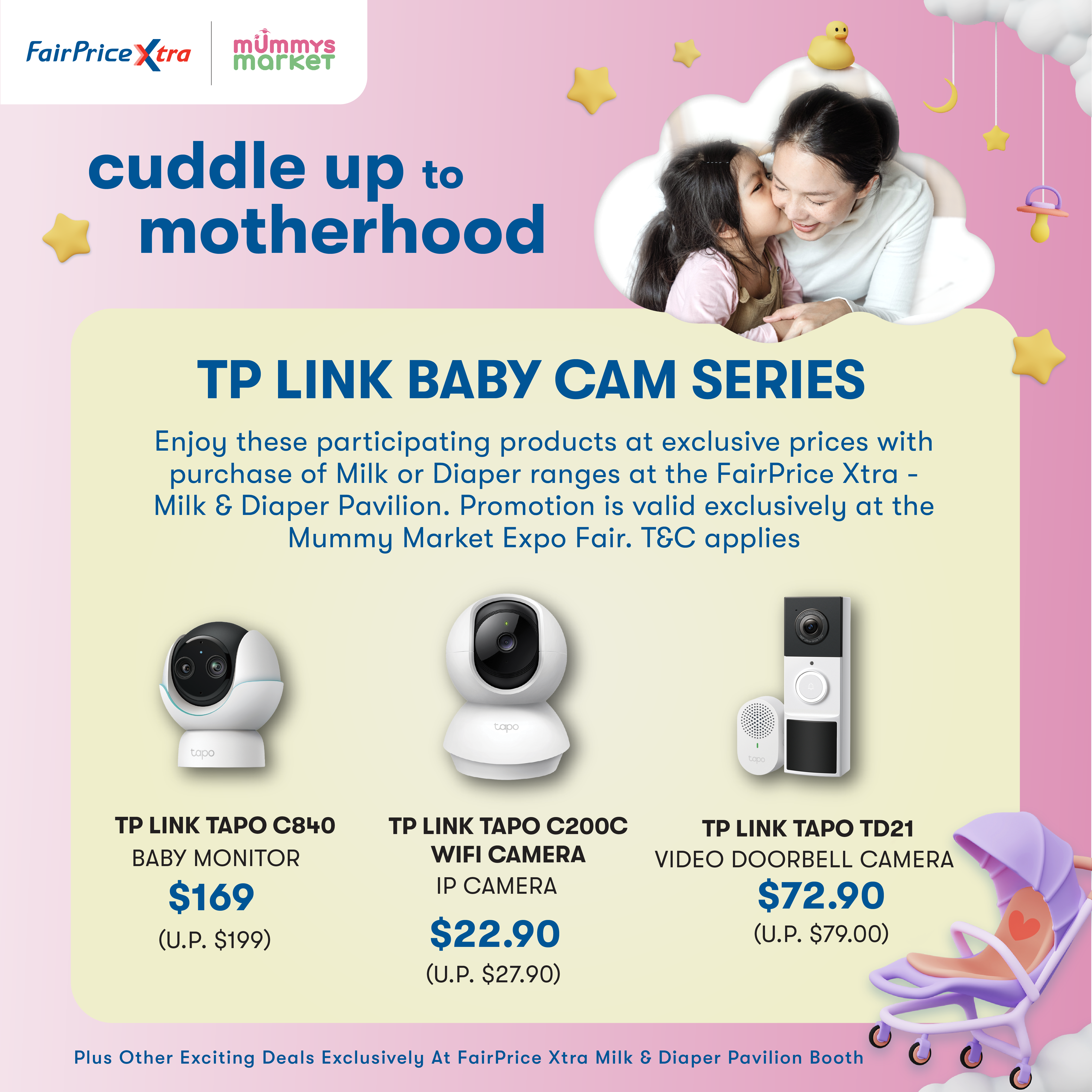
TP-Link Baby Cam Series at Fair-Only Prices
Selected TP-Link baby monitors and cameras are available at exclusive Expo prices when you purchase milk or diapers.
A Practical Time to Stock Up
Milk, diapers and daily baby essentials are recurring purchases — and they add up fast. Mummy’s Market is designed to reduce that long-term spend through bulk-friendly pricing and fair-only incentives, making it easier to plan ahead rather than buy in smaller, full-price runs later.
For parents preparing for a newborn, managing growing kids, or simply restocking the household, this is one of the more practical shopping windows of the month.
Event Details
📍 FairPrice Xtra Mummy’s Market
🗓 16 – 18 January 2026
📌 Expo Hall 5 – Milk & Diapers Pavilion
Free gifts are available while stocks last, and selected purchases also enjoy free home delivery with minimum spend. CDC Vouchers, SG60 Vouchers and FairPrice app payments are accepted at FairPrice Xtra’s Milk & Diapers Pavilion.
Missed the Fair?
There will still be mummy & baby deals at FairPrice Xtra stores from 22 January to 2 February 2026 — helpful if you miss the fair.
But the biggest freebies, the widest choice, and the most worth-it deals?
Those are happening at Expo — and only for these three days.