5 Sustainable Ideas for Your Business

Sustainability is a practice that is gaining traction globally due to its vast benefits to the environment. Entrepreneurs are beginning to understand the importance of this idea, hence incorporating them into their businesses. Making a business sustainable means initiating practices that help conserve the environment while still making profits in the process. Having a clean environment is a must for the survival of human beings and what better way to start than in businesses? 

Follow this guide as it highlights the various ways you can make your businesses sustainable and fitting for the current world. 

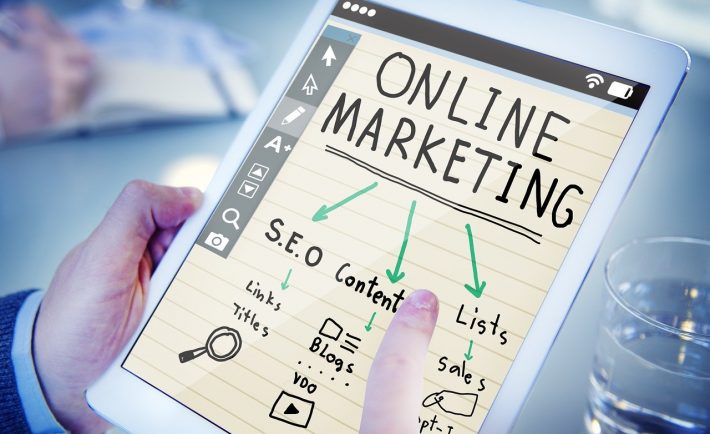
Use Renewable Energy

Source: https://unsplash.com/photos/eIBTh5DXW9w

The way you power your devices in your office tells a lot about your stand in the green movement. If you are adjusting to sustainable ways, then using renewable energy is a good starting point. Renewable energy is energy that cannot be depleted and has no adverse effects on the environment. Examples of such types of energy include solar, geothermal, wind, hydroelectric, biomass, among others. These kinds of energy sources are essential as they maintain the ecosystem without depriving it of any important elements.

In modern-day life, technology has led to the introduction of things like LED lighting. It is also a sustainable way of lighting up a space without consuming too much power. The 2835 LED strip light for example is among the best LED lights you can have in your office. The light has minimal maintenance meaning apart from saving energy, you will also be saving money.

Invest in Sustainable Materials


Source: https://unsplash.com/photos/cADflhZzgyo

Materials you use in your office from furniture, writing materials, water bottles, kitchen utensils, etc, can be sustainable materials to prevent pollution to the environment. Such materials are usually mainly from animals and plants, but sometimes they can be synthetically made to be renewable. Train your staff to use these materials at work and set rules that don’t allow any form of hazardous materials on your premises. 

Also, recyclable materials such as plastics can also help in the green movements. Plastic is usually not safe for the environment, but since we are living in a world with lots of plastics, the best we can do is recycle them. Plastic crates manufacturers can supply your business with enough crates that you will reuse for a long period. 

Sustainable Storage 


Source: https://unsplash.com/photos/DQJCaypBrcE

A commercial building needs quite a lot of storage space, especially if you are dealing with products that you supply to consumers or other businesses. Storage spaces may require power to keep products fresh. Use renewable energy sources for power purposes to promote conservancy. Also, packaging solutions can also be sustainable. Go for cardboard, green containers, and the like for proper storage.

Moreover, if you have crucial properties that you need to keep away from prying eyes like guns, keep them in a sustainable safe. For example, gun safes fireproof are safes that keep guns safe from fire and theft simultaneously. These fireproof boxes prevent damage to these guns, meaning you will not need to replace them. Regular replacement of items such as guns leads to pollution of the environment since it requires manufacturing which will lead to pollution. 

Waste Segregation 


Source: https://unsplash.com/photos/FoG7PKNYjpM

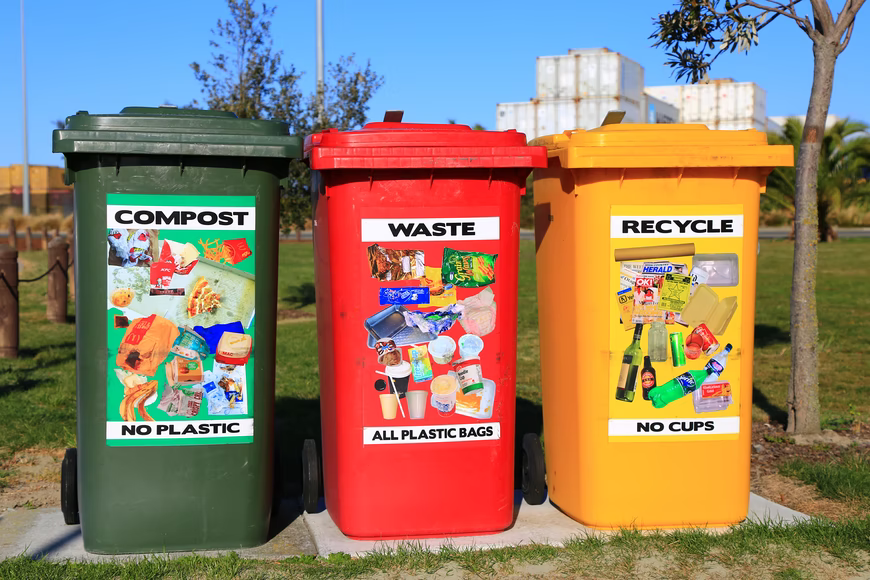
Waste segregation means the separation of waste according to its environmental impact and recycling ability. In a commercial building where many people frequent, you will find a lot of waste that if not disposed of properly, might cause pollution and a bad image to the enterprise. Train your staff on waste segregation where things like plastics are kept in one dustbin for recycling and repurposing. 

Biodegradable wastes can be put in a green container where they will be disposed of properly. Biodegradable means materials that can undergo decomposition, hence causing no harm to the ecosystem. Such practices are important even in homes since it is a simple way of protecting the environment.

Green Procurement 

Source: https://www.pinterest.com/pin/495607133999547015/

Practicing green procurement is the best way a business can jump into the green bandwagon. Green procurement means sourcing products and services from companies that produce them in a sustainable manner. Partnering with such companies will make other companies think twice about how they produce their products. If every business starts dealing with partners in such a way, we will have a world where every industrial process becomes sustainable, hence promoting environmental conservation. 

Source materials and products that are either recyclable, biodegradable, repairable, or made in an eco-friendly manner. 

Conclusion 

If you want to conserve the environment, then sustainability is the best way to go. It is the obligation of human beings to protect the environment, yet over the years, we have become its worst enemy. It is time we go back to what we are supposed to be doing or else we will face the wrath of mother nature. Although many people think natural disasters are unavoidable, it is the actions of human beings that have led to such disasters becoming more frequent and ruthless destroying property and losing lives. Protect the environment and it will protect you. 

Read More...

Camella goes the extra mile to build quality homes for Filipinos

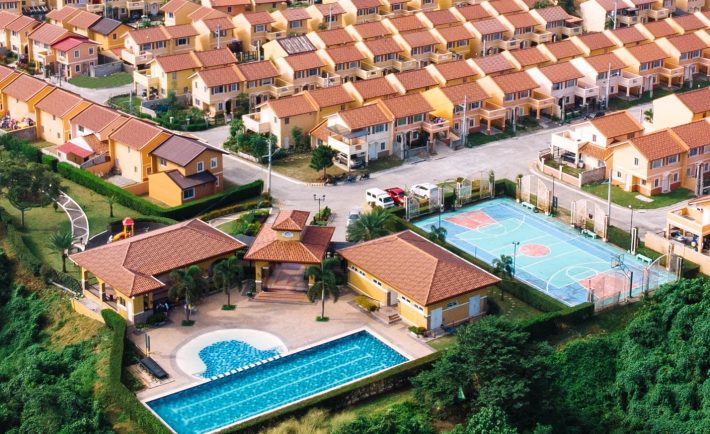
For many Filipinos, finding their own home has always topped their priorities in life. Many seek for safe havens where they can live comfortably without breaking the bank. These days, however, a comfortable life costs too much that not every hardworking Filipino can afford. This is why Camella has built quality and secure communities all over the country to provide a decent life for hardworking individuals and their families.

The deep sense of a Filipino neighborhood culture sums up the down-to-earth nature of Camella communities. Borne out of its vision of building every Filipino’s dream wherever they choose to live, Camella has constructed over 500,000 homes in key cities and provinces nationwide for 45 years. This vision has resulted in ideal homes finely built and designed, self-contained and secure properties, and a network of systems, facilities and organizations that make for a stronger foundation of every home.

Camella offers a wide range of payment options that allow homebuyers to purchase their dream homes. Customized financing schemes also help them realize their first home investment in a safe and beautiful community.

Camella provides convenient locations where families can have access to schools, medical centers, places of worship, marketplaces, shopping malls, transportation hubs, and places of work. There are Camella communities with schools, churches and commercial centers right within the property —allowing them to be nearly self-contained.

Camella features amenities for families to spend quality time together : swimming pools, basketball courts, playgrounds, landscaped parks, and tree-lined avenues that often revolve around a Clubhouse. To make it a safer place to live in, the communities are well-secured with guarded gates, roving guards and perimeter walls.

Landscaped communities

            Camella boasts of green surroundings by collaborating with a team of horticulturists — to create living communities that grow into habitats ideal for families. The group designs the landscaping and open spaces that allow residents to come home to an oasis of lush greenery.

Good business practice

            Camella has tied up with top companies that help guarantee its communities are well taken care of. To ensure the group’s competence in project management and safety-conscience building practices, Camella works hand-in-hand with MGS Corporation, which provides construction expertise to customers throughout the country.

Camella likewise works with Global Land Property Management, Inc., a group with extensive experience in managing subdivisions and condominiums. They ensure that  necessary preventive and corrective maintenance programs are implemented.

Quality systems and processes

            Camella has instituted a number of systems designed to streamline operations and communications within the company and for its residents. Camella uses the German-devised software SAP (Systems, Applications and Products), which serves as an end-to-end application system addressing the ERP (Enterprise Resource Planning) system requirements of key departments including Sales, Administrative, Production, Customer Care, Technical Services, Purchasing, Accounting, and Finance.

Know more about Camella. Visit www.camella.com.ph and follow “@CamellaOfficial” on Facebook, Instagram, Twitter and Linkedin.

Read More...

6 Simple Home Care Tips to Relieve Sore Feet

Your feet do a lot of heavy lifting throughout the day. Whether you walk around the house or ride a bike around your neighbourhood, your feet are constantly under a lot of stress every day. It is no surprise then that they may feel sore after a long day.

Foot care is crucial in ensuring that your feet are in tip-top shape. Aside from trimming your nails and washing them regularly, addressing the soreness after a tiring day contributes significantly to maintaining their health.

Some of the common causes of aching feet include:

  • Walking or standing for long periods of time
  • Injuries such as sprains
  • Strains on the ligaments and joints due to obesity
  • Issues in foot structure, such as high arches or flat feet
  • Hormonal changes during pregnancy that loosen up ligaments

Sore feet can significantly impact your lifestyle if you don’t address them properly. Before going to the doctor or visiting a trusted physiotherapy clinic, try the following care tips first at home to soothe your soles and toes.

Put Your Feet Up

The simple act of putting your feet up can significantly reduce the pressure on your feet. After getting home or when conditions permit, lift your feet on the bed, a stool, or a short table for better blood circulation. This act is especially helpful to pregnant individuals, where feet may swell due to fluid build-up in that area.

Stretch Your Feet and Calves

Like other parts of the body, your feet also need to stretch from time to time. Doing so not only addresses the aching, but also helps prevent cramping later on. It also promotes flexibility, which will help avoid injuries like sprains. Additionally, since the feet are connected to the calves, stretching your lower legs may also help tackle the soreness.

Some of the exercises you can do include:

  • Curling and flexing your toes
  • Rotating your ankles clockwise and counterclockwise
  • Shifting the weight between your heels and toes while in a standing position
  • Picking up marbles with your toes
  • Performing Achilles stretches on a chair or the wall

Draw a Foot Bath

Sometimes all your tired feet need is a warm, relaxing bath. Soaking your feet in a tub of warm water can relieve the muscles and reduce the soreness after a taxing day. Accomplish this by preparing a small foot bath where your feet are submerged completely for around 10 minutes.

If you wish to elevate the experience, adding Epsom salts can produce a more soothing effect. To apply this, sprinkle one to two tablespoons of Epsom salt in a gallon of warm water and soak your feet for around 10 minutes. However, if your feet are hot, tired, or swelling, opt for cool water instead.

Get a Foot Massage

Massaging your feet may improve blood circulation and help relieve soreness. Begin the process by sitting in a comfortable position and kneading the sole of one foot. Afterwards, go to your toes. Pull them apart and bend them for a good stretch. Using a lotion or some oil for lubrication will make the massage easier. Don’t forget to make sure that the lotion or oil does not contain any ingredients that may be bad for your skin.

Apply Ice

Exposing your feet to something cold can reduce inflammation and, consequently, the aching in your feet. Use a homemade ice pack or a package of frozen food (e.g. frozen peas, frozen grapes) to ice your feet. Before application, make sure to put the ice pack in a towel first. Doing so will avoid frostbite, which can harm your skin and underlying tissues if you’re not careful.

Switch to More Comfortable Shoes

Many people say “Fashion is pain”, but it shouldn’t come at the cost of your health, including your feet. Make sure to wear footwear that is in your size and offers your feet the proper support. Bear in mind also that shoes that are already worn out may no longer offer the right amount of cushioning as well. By wearing the right shoes, you can avoid arch pain, swelling, and aching, especially on a busy day.

Indeed, there are many home remedies that you can apply to reduce the pain in your feet. However, remember that these care tips can only address the problem so far.

Here are some of the signs that you should seek professional help:

  • If you have a health condition, such as diabetes or an autoimmune disorder
  • Injuries like a suspected fracture or open wound
  • Increased swelling and severe pain in the area
  • Numbness or tingling at the bottom of your feet
  • If the swelling and soreness remains even after applying home remedies

If you suspect that your condition could be more serious, don’t hesitate to go to a doctor for a proper diagnosis. They may prescribe you some oral or topical medications to reduce the symptoms or recommend paraphernalia such as arch supports that can significantly improve your feet’s overall health.

Read More...

How to efficiently protect your surroundings?

A mum working from home with a child

This pandemic has shown us that hygiene and safety are two significant prospects to be taken in mind to live a healthy life. When the widespread pandemic came into the display, we realized that we had been doing various activities to increase the chances of viruses and other bacteria infiltrating our hygienic homes.

So in this article, let us discuss various methods we can use to keep your home safe from virus infiltration and how to prevent some common bacteria and infections.


Prevention against COVID-19

This virus has traumatic effects worldwide, and this has led to catastrophic changes and loss of income. Countless people have lost their lives, and countries are seeing the verge of recession, but we have overcome this pandemic with global support and humanitarian attitude. 


So we must bring together our learnings and make sure that we prevent any further spread.


1. Vaccination

Vaccination is the crucial need of the hour; the governments are trying to vaccinate as many as possible because this will reduce the chances of virus spread and prepare your body and immune system for any foreign particle invasion.

The government has provided two vaccine doses, so you must ensure that you get your family vaccinated and put them through a quarantine period after the vaccination of around two days.

2. Mask

Vaccine prepares your immune system to fight against the virus, but this does not mean that you are allowed to move freely without precautions. Masks are the most helpful way to prevent the spread of various sorts of this disease, so it is best that you must continue wearing a mask in public or crowded places. 

There are various types of masks as listed below.

  • Medical masks

These are just like the use and throw types of masks that we can quickly dispose of once used. These are mainly used when you are visiting any public place; you can buy a new one and dispose of it when you reach the destination.

  • N95 masks

These masks have a filter at the edge along with the easy placing of the show. These are the ones that can be reused, and they are worn at the corporate places where you mostly visit. They come in handy for around 5-6 uses.

There are also third types of masks known as cloth masks but they aren’t completely safe for the users to move out in crowds or public places.

3. Social distancing

Social distancing is not just a pandemic activity, but we should practise it more frequently. It avoids the spread of any other form of the virus. So when you are in a public place or a queue, make sure that the spacing between two people should be around 6 feet.

4. Don’t let your guard down.

If conditions are improving and many people infected are falling, you should not let your guard down because we need to remember that it started with a single person. So you must make sure to keep your surroundings clean and avoid touching public places like an escalator on the metro station and taxis.

5. Wash Hands / sanitize

Hands are the carrier of all sorts of viruses and bacteria in your body, so you must make sure that you should keep your hands clean. So you must always wash your hands when you come home from somewhere and also you must sanitize your laptop, computer and mobile phone before giving it to your kid.

6. Cover coughs and sneezes

Though most people cover their sneezes or coughs, some people avoid such points, so one must make sure that they protect their nose when they sneeze as it releases the infected bacteria in the surrounding region.

When a person sneezes, he can spread infected bacteria in the range up to 3 metres radius.

7. Disinfectant and cleaning

Around twice a week, have a complete cleaning session of your house with a sanitizing machine at the entry. So you must clean your home with disinfectants as they will erase traces of any form of dirt or infection.

So cleaning is not just an emergency activity, but it has to be taught in your routine.

8. Health log and regular checks

Many people think that they look fine then have no form of health issues, but this isn’t true; sometimes, a simple cough may be a sign of tuberculosis, and some irregular breathing may signify lung infection.

So make sure to have your body checked and keep a log of all the same.

Some tips to keep your home safe from Indoors

Though we do not realize various factors can harm your home, including Fire, Power Outage, and building flaws.

Fire can be controlled using fire extinguishers, but electrical fire is the real issue to be dealt with because it can lead to electric leakages in your home. So the only way to avoid this is by using top-quality insulation material, which prevents any power surges.

Electrical fire surges remain one of the major issues as it causes a significant loss to the property and life. It is crucial to insulate wires in your house electrically, and you must make sure that there are no power leakages because a small power leakage might be a short circuit.

These short circuits burn the appliance circuits and generate a need for replacement, so make sure to use fuse boxes to avoid power short circuits.

Also, it would help if you made sure that the fuse box in your home could counter-power outage and save appliances. You can also use breaker design fuse circuits which ensure your safety.

Conclusion

Pandemic will leave its mark in people’s minds because it has affected us most disastrously. But one needs to keep his home safe from all forms of hazards which include electrical fires, infrastructure issues and many more . 

Even records show electric fires rise and tragedies in the past decade, so use the best products to safeguard your house.

So we must make sure we avoid any such future casualties, so in this article, we discussed various ways to stop the spread of the virus and keep our surroundings safe.


Read More...

Planning a trip to Singapore? Be sure to keep the average cost of things in Singapore in mind, such as food, accommodation, transportation, and more.

younger Singapore residents

How Much Should You Budget For a Trip to Singapore?

With its amazing futuristic architecture, exotic and unspoiled nature, and hundreds of unique stores and shopping malls, it’s no wonder why Singapore is one of the top places to visit in Asia.

However, many travelers (especially those who are visiting Singapore for the first time!) will often wonder how much it costs to travel to the country, and if Singapore is budget-friendly at all.

If you already have the Singapore arrival card for US citizens and are ready to see the Little Red Dot, here is how much you can expect to spend:

Airline Tickets 

Depending on your location, Singapore is either fairly close or on the other side of the world.

Unless you live in Asia or the Middle East, airline tickets will usually be the biggest expense for your trip to Singapore. For quick reference, here is how much a one-way ticket to Singapore will cost from major cities (in USD):

  • New York to Singapore – $500
  • Paris to Singapore – $600
  • Istanbul to Singapore – $1000
  • Dubai to Singapore – $300

Keep in mind that in most cases, buying a round-trip ticket to Singapore may be significantly cheaper and could reduce the price by 20 to 40 percent!

Another trick to save money is to compare neighboring airline hubs around Singapore, such as Bangkok, Thailand or Kuala Lumpur, Malaysia.

If you find a cheaper flight to one of these places, you can use a budget airline (like Scoot or AirAsia) to fly to Singapore and see two countries in one trip!

Accommodations

Although Singapore is popular with tourists all year round, it is especially busy during the dry season, which runs from December to April. Since this is considered the peak tourist season, it is advised to book your hotel in advance.

When it comes to accommodation, travelers have plenty of options at different price points, including hostels, hotels, resorts, luxury hotels, and guesthouses. As with most touristic cities, the price will depend on many factors, such as location, comfort, amenities, and additional services like breakfast or airport transfers.

Travelers can expect to pay around $50 per night for a double room in an average, 3-star hotel. Those who are looking for prestige and luxury can expect to spend between $100 to $200+ for a 4- or 5-star hotel.

Of course, there is also the world famous Marina Bay Sands, which normally costs from $200 and up to $4,500 per night, depending on the room and season!

To get the best rooms, availability, and price, it is highly recommended to book accommodations as soon as you know when you plan to travel to Singapore.

Food and Drinks

While traveling in Singapore, be sure to try the delicious local food. There are so many excellent cafes and restaurants that are sure to delight your taste buds!

Similar to other Southeast Asian countries, it is customary to eat street food or fast homemade dishes in places like hawker centres, which there are plenty in Chinatown and Little India. Dishes in hawker centres will typically set you back only a few dollars (under $5 per dish).

Breakfast for two in a budget-friendly cafe will cost $10, lunch around $15, and a meal set from McDonald’s — around $9. Dinner at an inexpensive restaurant, without alcohol, will cost $30.

Transportation

Singapore has an excellent public transportation system that includes busses, rail (MRT), and even ferry services.

The city is served by more than four thousand buses that easily reach any part of Singapore. A ticket for a regular city bus is calculated by distance, and typically costs around $1 or $2, while longer distances have a price tag between $3 to $8. There are free busses and shuttles around Sentosa Island.

The MRT in Singapore (which is both underground and overground) is considered one of the best in the world. As with buses, prices depend on distance. One trip around the city can cost from 50 cents to 3 dollars.

There is also the monorail, which connects Singapore and Sentosa Island. The journey takes 8 minutes and costs $3. Taxis are more expensive and slower than the metro, but a great choice for families and groups. On average, a trip in the city will cost $8 to 15, and a trip to the airport from the city center will cost $18 to 25.

Due to high taxes, additional fees, and parking costs, renting a car in Singapore will not be cheap. The cost of renting a standard car starts around $70 to $100 per day and will go up depending on the model (SUV, sports car, etc). Likewise, travelers can expect to pay around $1.80 for a liter of gas.

Sightseeing, Excursions, and Souvenirs 

Last but certainly not least, don’t forget to leave a little room in your budget for fun!

Although the price for tickets and attractions differ based on the place, you can expect to spend between $5 to $15 for a ticket to a museum or exhibitions.

If you’re planning to visit Universal Studios Singapore, be prepared to pay around $60 for a non-resident ticket.

Finally, the entrance fee to the most popular attraction in Singapore (the Gardens by the Bay) starts at $10 and goes up based on extras, like a guided tour or special event.

As for tours, there are plenty of options, including group walking tours to fully private tours. A private tour will cost about $100, while group walking tours start around $20 per person.

No trip to Singapore is complete without souvenirs — thankfully, there are plenty of places to buy gifts, such as Lucky Plaza, Bugis Street, and Chinatown. Prices range from $2 for a simple magnet to $10 for a shirt and onward.


Read More...