
Professional Strategies for Dealing with Rude People

Dealing with difficult people is part of the job. Whether you are facing an irritable lecturer, an impatient administrator, or a demanding client, knowing how to navigate these tense situations with professionalism can protect your peace and your reputation.

Consider managing rudeness without losing your cool.

DON’T TAKE IT PERSONALLY

When someone is rude, it is often a reflection of their stress and not your value. Instead of internalizing harsh words, remind yourself that it is not about you. This mental shift helps you stay grounded and avoid escalating the situation.

Tip: Use mental distancing by imagining you are observing the conversation from the outside. This allows you to stay calm and objective.

DON’T REACT

It is tempting to snap back when someone is rude, but a calm, measured response is far more powerful. Responding thoughtfully not only preserves your professionalism but also often diffuses tension.

What to Say:
a. “I understand your concern. Let’s work on a solution together.”
b. “I appreciate your feedback. What would you suggest as the next step?”

MANAGE UP

When rudeness comes from someone with authority, like a lecturer or a manager, tact and strategy are key. Document instances of unprofessional behavior and, if necessary, involve a neutral third party.

If the behavior is persistent, disruptive, or crosses a professional boundary, it is appropriate to seek support from HR or another supervisor.

SET BOUNDARIES

You deserve to be treated with dignity, no matter who you are dealing with. If someone consistently crosses the line, it is okay to assert yourself while remaining respectful.

Image Credits: unsplash.com

For instance, you may say: “I am committed to resolving this, and I would appreciate a collaborative and respectful conversation to move forward effectively.”

PRACTICE THE POWER OF PAUSE

Not every comment deserves an immediate reaction. If you are faced with hostility, pause before responding. This brief moment of reflection allows you to choose your words wisely and stay composed.

Tip: Silence can be powerful. If someone is rude, a thoughtful pause followed by a calm response often shifts the tone of the conversation.

PROTECT YOUR ENERGY

Rude people can drain your mental energy if you let them. Prioritize your well-being by debriefing with a trusted colleague, taking a walk, or practicing mindfulness to reset after tense encounters.

Reminder: Your peace is non-negotiable. Setting healthy emotional boundaries protects you from carrying negativity beyond the conversation.

FOCUS ON THE BIGGER PICTURE

It is easy to get caught up in a frustrating moment, but keeping your long-term goals in mind can help you rise above the noise. Will this interaction matter in a week? A month? Probably not.

Stay focused on your work and let the pettiness roll off your shoulders.

IN A NUTSHELL

Image Credits: unsplash.com

By staying calm, setting boundaries, and focusing on solutions, you will not only handle rudeness with grace but also build a professional reputation that speaks volumes.


Read More...

Retail Therapy? Let’s Keep It Healthy!


Who doesn’t love a little treat-yourself moment? Whether it’s a shiny new gadget or that perfect pair of shoes, shopping can feel like an instant mood boost. But when those quick dopamine hits turn into a habit that strains your wallet (and maybe your peace of mind), it might be time to hit pause.

If you’ve ever felt the magnetic pull of an online sale at 2 am, you’re not alone. The good news? You can take back control without giving up all the joy of shopping. Here are some real-life, practical ways to help yourself prevent or curb a shopping addiction.

KNOW YOUR TRIGGERS

Are you more likely to shop when you’re stressed? Bored? Celebrating? Identify the feelings or situations that nudge you toward clicking “Add to Cart.” When you know your triggers, you can start swapping impulse buys for healthier coping mechanisms like journaling, walking, or calling a friend.

PAUSE BEFORE YOU PURCHASE

Impulse buys are sneaky. Next time you’re tempted, try the 48-hour rule: wait two days before buying something non-essential. This cooling-off period can help you decide if it’s a genuine want or just a fleeting whim.

Image Credits: unsplash.com

UNSUBSCRIBE AND UNFOLLOW

Those endless emails screaming “FLASH SALE!” aren’t doing you any favors. Take a few minutes to unsubscribe from marketing emails and unfollow brands that constantly tempt you. Out of sight, out of cart.

SET SMALL GOALS

Challenge yourself to a no-spend weekend or a month of mindful shopping. When you hit a milestone, reward yourself with something non-material. Think a DIY spa day or a movie marathon!

MAKE BUDGETING FUN

Create a fun money fund! Allocating a small, guilt-free budget for treats can help you enjoy shopping in moderation while keeping your finances in check.

BE KIND TO YOURSELF

Slipping up doesn’t mean you’ve failed. Recognize progress over perfection. Every mindful decision you make is a step toward a healthier relationship with spending.

Image Credits: unsplash.com

At the end of the day, it’s not about depriving yourself—it’s about finding balance. You deserve joy that lasts longer than the delivery rush. So, what step will you take today?


Read More...

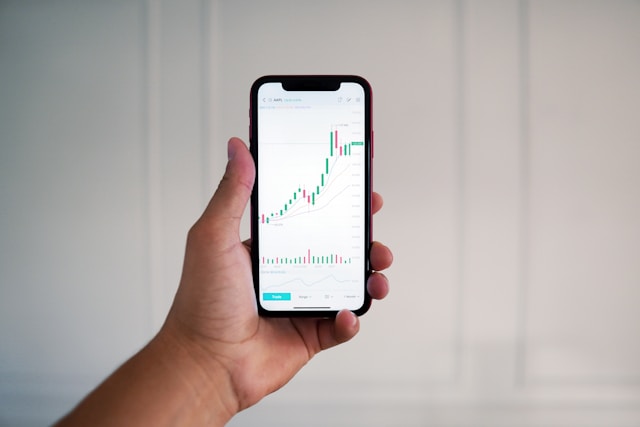
What Affects the Singapore Stock Market?

The Singapore stock market is influenced by a wide range of factors, both global and domestic. These elements shape investor confidence, market performance, and stock prices. Understanding the following factors can help investors make better decisions.

ECONOMIC CONDITIONS

The overall health of Singapore’s economy plays a big role in the stock market. Important factors like economic growth, inflation, unemployment, and trade balance affect investor confidence and stock prices.

GLOBAL MARKET TRENDS

Singapore’s stock market is connected to major international markets like the US, China, and Europe. If these markets go up or down, it can influence investor decisions in Singapore as well.

INDUSTRY PERFORMANCE

Different industries such as technology, finance, shipping, and real estate impact the stock market. If a sector is doing well, stock prices in that industry may rise. If it struggles, prices may fall.

COMPANY NEWS

Stock prices can change based on company announcements like earnings reports, new products, leadership changes, or business updates. If a company performs well, its stock price usually goes up. If it faces challenges, the price may drop.

GOVERNMENT POLICIES/REGULATIONS

Changes in government rules, taxes, and financial policies can affect the stock market. Policies that encourage business growth can boost investor confidence, while stricter regulations may create uncertainty.

INTEREST RATES

The Monetary Authority of Singapore (MAS) controls interest rates. When interest rates go up, people may prefer safer investments like bonds instead of stocks. When rates go down, stocks become more attractive.

CHALLENGES FACING THE SG STOCK MARKET

On July 13, 2024, a report stated that Singapore’s stock market had reached its lowest point. Investors have been worried about low liquidity and weak stock prices, making the market seem less attractive. Many describe it as boring and unexciting.

One major problem is that fewer companies are listing on the Singapore Exchange. At the same time, many companies are choosing to leave the market. This has created a cycle where low activity discourages new investors, making the problem worse. Experts have noted that in the first half of 2024, Singapore had only one small new company listing on its stock exchange.

WHAT TO EXPECT THIS YEAR

As we move into 2025, experts are uncertain about how Singapore’s stock market will perform. Global interest rates and trade restrictions could impact the market, especially as the United States gets a new president.

Image Credits: unsplash.com

Economists believe 2025 could be a tougher year than 2024. Singapore’s economy relies on trade with China, the US, and the European Union. If these economies slow down, Singapore’s stock market may struggle.

IN A NUTSHELL

The Singapore stock market faces some challenges, but investors who understand these factors can make better decisions. Market conditions may be unpredictable in 2025, but keeping an eye on global trends, government policies, and industry performance can help investors find opportunities in the Singapore Exchange.

Sources: 1 & 2


Read More...

6 Countries That’ll Pay You to Move

Ever dreamt of starting anew in a picturesque locale that pays you to settle down? While these offers aren’t quick routes to wealth or guaranteed citizenship, they present enticing opportunities for those ready for a long-term commitment.

Here’s a curated list of destinations offering financial incentives to new residents, with all amounts converted to Singapore dollars (SGD) for clarity.

#1: SWITZERLAND

Where: Villages like Albinen
Incentives: Up to S$38,000 per adult and S$15,200 per child
Requirements: Applicants must be under 45, invest in a property worth at least S$340,000, and commit to residing there for a minimum of 10 years
Lifestyle Perks: Stunning mountain landscapes, high-quality public services, and a tranquil lifestyle

Albinen, a charming Swiss village, offers substantial financial incentives to attract younger residents and counteract depopulation. This initiative aims to rejuvenate the community by bringing in new families.

#2: GREECE

Where: Island of Antikythera
Incentives: Approximately S$720 per month for the first three years (totaling around S$25,920)
Requirements: Primarily aimed at young families willing to relocate permanently
Lifestyle Perks: Crystal-clear waters, rich history, and a close-knit community

Image Credits: unsplash.com

Antikythera seeks to revitalize its population by attracting young families, offering monthly stipends to support their resettlement.

#3: ITALY

Where: Regions like Calabria and Sardinia
Incentives: Up to S$51,000 for relocating and starting a business; Sardinia offers S$19,300 to new residents
Requirements: Applicants should be under 40, start a local business, and establish residency within 90 days
Lifestyle Perks: Rich cultural heritage, Mediterranean climate, and exquisite cuisine

Italy’s initiatives aim to rejuvenate small villages facing population decline by attracting young entrepreneurs and residents.

#4: JAPAN

Where: Various suburban towns
Incentives: Up to S$47,800 for relocating and restoring traditional houses
Requirements: Commitment to reside in designated areas and participate in community revitalization
Lifestyle Perks: Blend of traditional and modern living, scenic beauty, and cultural immersion

Japan’s Regional Revitalization Program encourages migration to suburban towns, offering financial support to those willing to restore traditional homes and invigorate local communities.

#5: CANADA

Where: Saskatchewan province
Incentives: Up to S$19,200 in tuition reimbursements for graduates
Requirements: Graduates must live and work in Saskatchewan for a specified period after completing their studies
Lifestyle Perks: Expansive natural landscapes, vibrant communities, and diverse cultural experiences

Canada offers tuition reimbursements to attract graduates to less populated provinces, aiming to bolster local economies and communities.

#6: SPAIN

Where: Ambroz Valley, Extremadura
Incentives: Approximately S$22,500 for remote workers willing to relocate for at least two years
Requirements: Commitment to live in the Ambroz Valley and work remotely
Lifestyle Perks: Scenic countryside, rich cultural heritage, and a tranquil environment

The “Live in Ambroz” program aims to attract digital nomads to counteract population decline and stimulate the local economy.

TOP CONSIDERATIONS

While these financial incentives are appealing, it’s crucial to conduct thorough research and consider factors such as language barriers, cultural differences, employment opportunities, and long-term sustainability. Relocating to a new country is a significant decision that requires careful planning and consideration.

Image Credits: unsplash.com

Disclaimer: The information provided is based on available data as of March 2025. Incentive programs and their requirements may change over time. Prospective applicants should consult official sources or contact relevant authorities for the most current information.

Sources: 1 & 2

Read More...

How to Live Solo in SG Like a Pro

Living solo in Singapore? It’s an exciting adventure but it also comes with financial responsibilities. According to a 2022 Statista survey, young professionals in their 20s stash away at least 35% of their income in savings, while those in their late 50s and 60s save around 29%. Clearly, Singaporeans are financially savvy and you can be too!

If you’re looking to stretch your dollar while enjoying the perks of independence, consider these practical money-saving hacks.

HAWKER CENTRES ARE YOUR BFF

Sure, cafe brunches and restaurant dinners are tempting but they’ll drain your wallet fast. Instead, embrace the vibrant hawker centre culture! From S$4 chicken rice to S$3 mee goreng, you’ll find delicious budget-friendly meals all over the island.

Image Credits: unsplash.com

Pro tip: Stick to kopitiams in the heartlands for even better deals!

MAXIMIZE CREDIT CASHBACK

Want to make money while spending it Cashback credit cards reward you for everyday purchases like groceries, dining and transport. With banks competing for customers, you’ll find plenty of attractive deals think Citi Cashback Card, HSBC Advance Credit Card and UOB One Card. Just remember to pay your bills on time to avoid interest charges!

USE PUBLIC TRANSPORTATION

Owning a car in Singapore Expensive Taking public transport Smart The MRT and bus network is fast, reliable and way cheaper than cabs or private hires.

Pro Tip: Grab an EZ-Link card or use SimplyGo for seamless discounted rides no need to fumble for cash or queue for tickets.

TURN OFF THE AC

Singapore’s humidity makes air-conditioning feel like a necessity but running it 24/7 will send your electricity bill soaring. Instead, opt for fans when possible and set your AC on a timer at night. Even better Clean your AC filters regularly to keep it running efficiently and reduce energy consumption.

SAY NO TO TAKEOUTS

Ordering food delivery every night isn’t just pricey it’s often less healthy too. Cooking at home saves money and lets you eat better. Not a kitchen pro Start with simple one-pot meals or meal prep on weekends to make weekday dinners a breeze.

IN A NUTSHELL

Living alone in Singapore doesn’t mean you have to live beyond your means. With some smart financial habits eating at hawker centres, using cashback cards, taking public transport and cutting down on utility bills you can enjoy independence and keep your savings on track.

Image Credits: unsplash.com

After all, financial freedom is about making your money work for you so start today!

Sources: 1 & 2

Read More...