

Beat Your Sweet Tooth & Boost Your Budget

Let me tell you about my friend. Whenever he spots a bag of chocolates, it’s game over. The entire bag disappears before you can say “kueh lapis.” Sound familiar?

I get it, because I’m no stranger to sweet cravings myself, especially with my PCOS condition making the sugar monster roar louder. For those who don’t know, PCOS or polycystic ovary syndrome is a common hormonal disorder in women that can cause irregular periods, weight gain, and often increases cravings for sugary foods.

But here’s the truth: sweets can burn a hole in your wallet faster than you can swipe your EZ-Link card. Eating out and buying a lot of sugary treats add up quickly. And don’t forget the real cost, like diabetes and dental bills that sneak up on you later. So yeah, we’ve got to tame that sweet tooth before it bites back.

WHY ARE WE HOOKED ON SUGAR?

Sugar is basically the OG comfort food. From the moment we’re born, our taste buds are wired to love sweet stuff. Dr. Christine Gerbstadt shares that carbs trigger serotonin, the brain’s happy chemical. Plus, sugar releases endorphins that calm us down, giving that natural feel-good buzz.

But before you reach for another packet of gummy worms, remember: not all carbs are created equal. Whole grains, fruits, and veggies give you the sweetness plus fiber and nutrients.

Image Credits: unsplash.com

HOW TO BEAT YOUR SUGAR CRAVINGS

#1: GIVE YOURSELF A TINY TREAT

Going cold turkey on sweets is tough. So allow yourself a small indulgence, maybe a mini cookie or a fun-size chocolate bar. No small packs? Share with a friend!

#2: SWAP FOR DARK CHOCOLATE

If you’re craving chocolate, reach for dark chocolate instead of those sugar-loaded bars. Dark chocolate packs antioxidants called polyphenols that are actually good for your heart and brain and has way less sugar than milk chocolate. Win-win!

#3: MOVE YOUR BODY

Next time sugar cravings hit, try taking a brisk walk around the block or go out to your nearby kopitiam for a quick change of scenery. Distracting your brain can help kick the craving!

#4: STOCK UP ON FRUITS & NUTS

Keep handy snacks like juicy papaya, sweet mango slices, nuts, seeds, or dried fruits ready. They satisfy your sweet tooth and give you fiber and nutrients without the sugar crash.

#5: KNOW THE DIFFERENCE OF CRAVING & HUNGER

When you think you’re hungry, ask yourself, “If an apple was the only thing available, would I eat it?” If the answer is no, it’s probably just a craving. Try waiting 20 minutes. Chances are, the urge will pass. If not, it’s okay to treat yourself mindfully!

#6: EMBRACE THE YOGURT’S POWER

Yogurt is not just yummy, it’s packed with protein and calcium that help keep hunger and blood sugar in check. Just pick plain, no-sugar-added yogurt with live cultures to get the best benefits.

#7: CHEW SUGAR-FREE GUM

Chewing gum or sucking on mints with zero sugar can trick your brain and keep cravings at bay. Bonus: chewing sugar-free gum can even help protect your teeth from cavities.

#8: BUILD A BALANCED PLATE

Instead of obsessing over cutting sugar, focus on filling your meals with protein, healthy fats, and fibre-rich veggies. When your tummy feels full and nourished, those sugar cravings don’t stand a chance.

Image Credits: unsplash.com

So next time you’re eyeing that box of pain au chocolat at the bakery or tempted by kaya toast at your favorite hawker stall, remember controlling your sweet tooth means more money in your wallet and better health down the road.


Sources: 1,2, & 3

Read More...

5 Financial Lessons You Can Learn from Lady Gaga

Lady Gaga lit up the National Stadium last night with a spectacular, sold-out performance. It was the first of four nights in Singapore and her only stop in Asia for the Mayhem tour. The two-hour spectacle featured dynamic choreography, dramatic set pieces, and multiple costume changes.

What’s more? During her 2010 hit Alejandro, she draped the Singapore flag over a balcony on stage, drawing roaring applause. Beyond the wigs and theatrics, there’s a method to the madness. On that note, here are five key lessons from Mother Monster’s playbook.

#1: SAY NO & MEAN IT

In a speech at Yale, Lady Gaga shared how one simple word helped her reclaim her life. She had reached a point where she no longer recognized herself. Saying “no” gave her back control over her time, energy, and purpose.

Financially, the same principle applies. Saying no to unnecessary spending, to lifestyle pressure, or to things that don’t align with your goals, is a powerful tool. Just because you can afford something doesn’t mean you should say yes to it.

#2: BREAK FROM THE NORM

Gaga doesn’t follow trends. She sets them. As Gaga sings in Born This Way, “Don’t hide yourself in regret, just love yourself and you’re set.” Even in the way she dances, she moves to beats others avoid. Her unconventional choices make her unforgettable.

That mindset also works for money. It’s easy to follow the crowd, whether it’s buying the latest tech, chasing social media-fueled investments, or sticking to a career path that doesn’t truly suit you. But real success comes from doing what fits your own values and vision.

#3: THINK LONG-TERM

Lady Gaga’s stardom wasn’t built on one viral moment. Her success is the result of years of strategy, hard work, and consistent reinvention. It’s the same when it comes to your finances.

Image Credits: unsplash.com

Short-term thinking often leads to mistakes such as overspending, panic-selling, or taking on bad debt. But those who plan ahead, invest steadily, and take a long view of their goals tend to build lasting wealth.

#4: LOOK BEYOND YOURSELF

Behind every Gaga performance is a massive team: stylists, dancers, musicians, designers, and technicians. She openly credits her success to the people who support her, on and off stage.

Good financial decisions also rely on collective thinking. Whether you’re running a business or managing your own portfolio, long-term success means considering the needs of your community, employees, partners, and the environment. Companies and individuals who think sustainably often perform better over time.

“I wanna hold ’em like they do in Texas, please,” she quips in Poker Face, but the message is deeper: know who you’re dealing with, and value every card you hold.

#5: DON’T DO IT ALONE

Even a global superstar like Lady Gaga doesn’t do it all herself. Her massive live shows depend on an army of behind-the-scenes professionals. Her creative process is powered by collaboration.

The same is true with money. You may be the lead in your financial story, but you need a team such as trusted friends, mentors or a supportive partner. Trying to handle everything solo can lead to burnout or costly mistakes.

Image Credits: unsplash.com

Knowing when to ask for help is not weakness. It’s wisdom.

Sources: 1,2,3, & 4

Read More...

Everything You Need to Know About Changi Airport T5

After years of anticipation, Singapore is officially building the next chapter of its aviation story. On May 14, Prime Minister Lawrence Wong broke ground on Changi Airport Terminal 5 (T5), a major expansion project that will transform the region’s air travel landscape and strengthen Changi’s position as a global hub for years to come.

First unveiled in 2013, T5 is a joint effort by the Ministry of Transport (MOT), the Civil Aviation Authority of Singapore (CAAS), and Changi Airport Group (CAG). Now, more than a decade later and following a delay caused by the Covid-19 pandemic, construction is finally underway.

TERMINAL BUILT FOR THE FUTURE

Spanning a massive 1,080 hectares, Terminal 5 will nearly double the airport’s total footprint. When completed in the mid-2030s, it will raise Changi’s passenger capacity from 90 million to an impressive 140 million annually.

Changi served 67.7 million passengers in 2024 and recently earned the title of Skytrax’s “World’s Best Airport” for the 13th time in 2025. With T5, Singapore is aiming to lead the future of aviation.

So, why now? As PM Wong explained, the Asia-Pacific region is set to see rapid growth in air travel over the next two decades. This surge is driven by a rising middle class and increasing urbanization. By 2043, Asian airports will need to support nearly twice as many passengers and aircraft, putting pressure on existing infrastructure.

SMART AND SUSTAINABLE

T5 isn’t just big; it’s smart. The terminal will feature advanced technology and automation to improve operations and enhance the passenger experience.

Look out for baggage robots that function in all weather, AI-powered video analytics to monitor aircraft turnaround times, and a fully automated people-mover system. Everything is designed to keep things smooth and efficient.

Design-wise, T5 will reflect Singapore’s signature mix of urban charm and greenery. Curved roofs of varying heights will let natural light in, while landscaped spaces will create an uplifting vibe that is true to the Changi spirit.

HUB FOR THE WORLD

When it opens, Singapore Airlines (SIA) and its budget arm Scoot will operate under one roof at T5. Currently spread across Terminals 1, 2, and 3, the move will improve efficiency and provide space for future growth.

CAG says there will also be room for other airlines to grow, though it’s still too early to say which carriers will shift to T5.

Image Credits: facebook.com/changiairport

Right now, Changi connects Singapore to over 170 cities. With T5, that number is expected to grow to more than 200 by the mid-2030s, boosting Singapore’s role as a global air hub in the competitive landscape.

LIFTING TOURISM TO NEW HEIGHTS

In 2024, the country recorded $29.8 billion in tourism receipts and aims to further that number. The impact of T5 supports Singapore’s long-term tourism ambitions. With stronger connectivity and more visitors, the goal is to reach $47 billion to $50 billion annually within the next 15 years.

WHAT’S NEXT?

According to Mr Ong Chee Chiau, CAG’s managing director for Changi East, construction will ramp up in the next few years and peak around 2029. Several key features like a new third runway, a vehicular underpass, and baggage tunnels, are already completed.

With the skies opening wider, Singapore is ready to soar with its larger, smarter, and greener gateway.

Sources:1,2, & 3

Read More...

Beginner’s Guide to Saving Money in Singapore

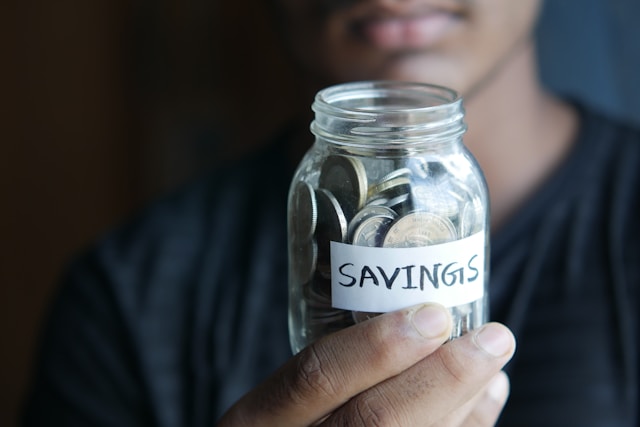
Living in Singapore isn’t cheap. With rising costs and temptations everywhere, it can feel tough to set money aside. But whether you’re saving for a rainy day, your BTO, or a well-deserved holiday, getting into the habit now can make a big difference.

Read this simple guide to help you get started.

#1: SET A CLEAR GOAL

Don’t just say “I want to save more.” Be specific! Are you saving for an emergency fund, a new laptop, or a holiday?

Once you have a clear goal, break it into monthly targets. Open a separate savings account to track progress. Naming it something fun like Japan Trip Fund can keep you motivated.

#2: LET YOUR MONEY WORK

Put your savings in an account that earns interest. Local banks like DBS, OCBC, and UOB offer savings accounts that reward you for crediting your salary or paying bills.

Every little bit of interest adds up, and your money grows even while you sleep.

#3: EAT OUT LESS

Eating out often can burn a hole in your pocket quickly. Cooking at home a few times a week can save you serious cash and help you eat healthier.

Image Credits: unsplash.com

Even simple home-cooked meals cost less than most hawker or café food. Plus, you’ll waste less and stretch your grocery dollar further.

#4: USE THE SAVINGS BUCKETS

Organize your savings into three buckets namely:

a. Emergency fund: For unexpected expenses like medical bills or home repairs

b. Short- to mid-term goals: For things like education, weddings or travel

c. Long-term goals: Retirement or financial independence

Having separate goals helps you stay focused and on track.

#5: BE CAREFUL WITH CREDIT CARDS

Credit cards can be useful for rewards, but only if you pay off the full amount every month. Otherwise, interest charges add up fast.

If you find yourself carrying a balance, switch to cash or debit to stay in control of your spending.

#6: PAY BILLS ON TIME

Late payments lead to extra fees and can hurt your credit score. Set reminders or automate payments to avoid unnecessary charges.

If you can’t pay on time, contact the provider early. They might offer an extension or payment plan.

IN A NUTSHELL

Image Credits: unsplash.com

Saving money doesn’t mean you have to give up fun. Start small, stay consistent and track your progress. Even saving an extra S$50 a month puts you on the right path. Small habits today build a more secure future tomorrow.

Sources:1,2, & 3

Read More...

Bad Money Habits We Grew Up With (& Why We Must Unlearn Them)

Money talk isn’t exactly dinner table conversation in many Singaporean homes. You can bet we’ve all heard the usual: “Don’t spend unnecessarily”, “Save your angbao money”, or worse, just silence when it comes to CPF, loans, or budgeting.

Whether it was your mom, your dad, your loud uncle at Chinese New Year, or your office colleague who still pays minimum on their credit card, the financial “wisdom” we grew up with often came with good intentions but not always good outcomes.

So here’s a real talk list of bad financial lessons many of us were taught.

#1: NO CREDIT IS GOOD CREDIT

Some of us were raised with the fear of credit cards. “Ah girl, don’t take credit card ah. Later you kena debt!”

My friend’s parents had their struggles with borrowing, so they swung the other way and taught them to avoid debt completely. But here’s the thing. No credit history can actually work against you.

Without any credit activity, like responsibly using a card and paying it off, you might find it hard to get a loan or rent a flat. Credit isn’t the enemy. Misusing it is.

#2: DON’T WASTE = REPLACE EVERYTHING

You know the classic auntie logic: “Don’t waste money on repairing lah, just buy new one.”

Whether it was a microwave, a pair of shoes, or even a fan, if it broke, we just tossed it and replaced it. Never mind that a simple fix might cost less and last longer. Somewhere along the way, the “waste not, want not” principle got twisted.

#3: SWIPE FIRST, THINK LATER

Living beyond our means is something many of us saw growing up but didn’t realize was a problem until adulthood.

Image Credits: unsplash.com

Some elders would say, “Just put on card first lah, pay later.” But later never really came. Buying branded goods on installment plans, splurging at Robinsons or TANGS sales, or upgrading gadgets every year became the norm, not the exception. Saving up first before spending? Almost unheard of.

#4: NO PLAN, NO PROBLEM (UNTIL IT’S A PROBLEM)

Planning for the future? Wah, so far one. Whether it was not having insurance, skipping CPF top-ups, or not saving for retirement, the mindset was very much “today first, tomorrow worry later.”

Problem is, later always comes and then we scramble.

#5: ONE-DAY MILLIONAIRE SYNDROME

You know this one. Payday comes, and suddenly it’s crab dinner, new clothes, kopi upgraded to Starbucks. Next thing you know, end of the month liao, and it’s instant noodles until the next pay comes in.

It wasn’t that our parents were reckless. Just that budgeting wasn’t something they were taught either. So what did we learn? That spending is reward and saving is optional. Oops!

#6: MONEY TALK = TABOO

In many households, money talk is more hush-hush than your cousin’s secret engagement.

We don’t discuss how much we earn, how much we owe, or whether we’re struggling. The result? Most of us grew up with a very murky idea of how money works. We weren’t taught about insurance, taxes, or loans. We were just expected to figure it out, somehow.

IN A NUTSHELL

Our parents did their best, but now it’s our turn to get smart.

Start small. Track your spending, ask questions, learn what you missed. There are loads of free financial literacy programs now. DBS, OCBC, and even CPF have online tools to help you budget, plan for retirement, or understand your savings options. Nonprofits like Credit Counselling Singapore (CCS) also offer workshops if you’re feeling a little lost about managing debt or building your credit.

Image Credits: unsplash.com

There’s no shame in learning money skills as an adult. Better late than broke!

Sources: 1,2, & 3

Read More...