


Where to Sell or Donate Your Preloved Items in Singapore

If your wardrobe is bursting or your shelves are stacked with items you no longer need, it may be time to let them go. Be it making some extra cash, helping others, or reducing waste, there are many responsible ways to declutter in the Lion City.

This guide covers where to sell, donate, or recycle your gently used clothes, shoes, accessories, and household goods.

SELL YOUR PRELOVED ITEMS

Reselling them might be your best option if you have branded clothing, trendy accessories, or household items in good condition. Not only do you declutter, but you might even earn back some of your original investment.

a. ONLINE MARKETPLACES

Digital platforms like Facebook Marketplace, Carousell, and Poshmark allow you to connect directly with buyers. These are perfect for items with niche appeal, trendy fashion pieces, or gadgets.

Simply snap a few photos, write a description, and set your price. You’ll get to negotiate directly with interested buyers and arrange for delivery or pickup at your convenience.

b. REFASH

This local fashion resale brand is a favorite among Singaporeans. REFASH buys trendy women’s clothing and sells them at affordable prices across its brick-and-mortar stores.

Drop your items off at outlets such as Bugis Junction, Wisteria Mall, or Tiong Bahru Plaza. You’ll receive cash or credits to spend in-store. REFASH is a great place to find lightly worn apparel that’s still in season or style.

c. NEW2U THRIFT SHOP

Tucked within the Singapore Council of Women’s Organisations building, New2U is a charitable thrift store with a heart. It accepts clothes, books, accessories, and household items. Proceeds go toward funding women’s and children’s programs.

Shoppers (including my friends) love it for its hidden gems and affordable prices, and donors appreciate that their items support meaningful causes.

d. CASH CONVERTERS

This well-known resale chain buys just about everything: electronics, musical instruments, kitchen gadgets, tools, and fashion items. You can bring your preloved goods to one of their many locations and receive immediate cash offers. Their outlets include: Joo Seng Road (E-Commerce Centre), Ang Mo Kio Avenue 8, New Bridge Road at Chinatown Point, Jurong Gateway Road, Tampines Avenue 1, Toa Payoh Lorong 4 (i.e., the one I usually explore).

Each location features a huge selection of used goods, and it’s a go-to spot for savvy bargain hunters.

DONATE TO THOSE IN NEED

Image Credits: unsplash.com

Prefer to pass your items on as a blessing to someone else? Donation is a fulfilling way to do so.

a. THE SALVATION ARMY

With a long-standing presence in Singapore, The Salvation Army accepts clothing, furniture, household goods, toys, and more. These donations are sold at Family Stores, with proceeds supporting community care programs, including services for the elderly, children, and vulnerable individuals.

Drop-off points include: Tanglin Family Hub, The Haven, Praisehaven, Hope Centre, and IMM.

b. MINDS SHOP

Operated by the Movement for the Intellectually Disabled of Singapore, these thrift stores offer more than resale. They provide vocational training and employment for persons with intellectual disabilities. Donated items are sorted, priced, and sold by MINDS trainees, giving them essential skills and opportunities.

You can drop your donations at Margaret Drive, 800 Margaret Drive or Woodlands, 30 Woodlands Ring Road.

c. H&M GARMENT COLLECTING PROGRAM

This global initiative encourages customers to recycle their unwanted clothes from any brand and in any condition. Simply bring them to any H&M outlet in Singapore. Locations include: ION Orchard, JEM, NEX, Kallang Wave Mall, and VivoCity.

You’ll receive a discount voucher as a thank-you, and the clothing is either reworn, repurposed, or recycled into insulation materials or new textiles. I can attest to this as I’ve tried it myself.

d. GREENSQUARE

Focused on textile recycling, Greensquare collects items directly from homes and also operates drop-off points. They accept clothes, household linens, bags, and shoes in any dry condition. Items are sorted and sold to secondhand importers in developing countries, promoting a circular economy.

Key drop-off spots include: Alexandra Technopark, Fusionopolis One and Two, NUS Utown Residence, The Green Collective at Funan, and Viva Business Mall.

e. ITSRAININGRAINCOATS

Focused on uplifting Singapore’s migrant workers, this nonprofit operates the inspIRRe store, where workers can shop for free. Donations should be in excellent condition and include:

  1. Men’s apparel and footwear
  2. Luggage, duffel bags, and backpacks
  3. Sports gear, water bottles, and accessories
  4. Small appliances like rice cookers or power banks

It’s located at 470 Upper Paya Lebar Road.

g. SG MUMMIES UNITED

What began as a humble Facebook group during the 2020 circuit breaker has grown into a bustling blessings community. The group connects struggling mothers with those who can offer help. Common donation items include: diapers, baby formula, baby gear and toys, secondhand children’s clothing, and books.

Requests are posted daily, and you can respond directly to offer what you have. Join their Facebook group to participate.
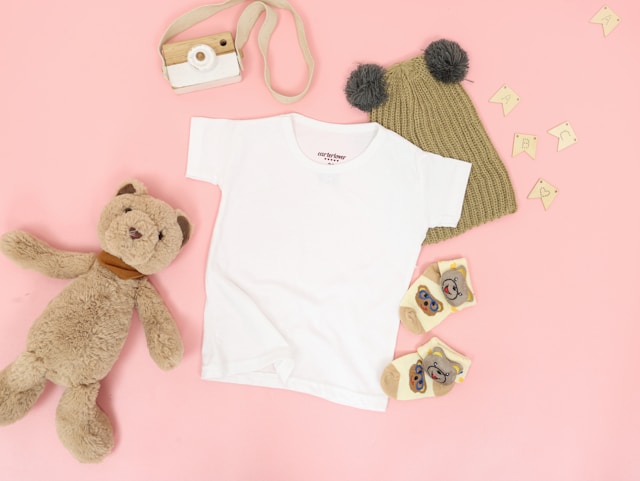
Image Credits: unsplash.com

What are you waiting for? Let your preloved items find a second life!

Sources: 1,2, & 3


Read More...

How Do U.S. Tariffs Affect Online Shopping for Singaporeans?

U.S. President Donald Trump’s tariff policies introduced significant changes that could impact online shoppers in Singapore, particularly when buying from American retailers or goods subject to U.S. trade regulations.

UNDERSTANDING TARIFFS

Tariffs are taxes imposed on imported goods, and the U.S. has long used them to regulate trade. These taxes can lead to higher prices for goods and services, influencing overall consumer spending and contributing to inflation.

IMPACT ON ONLINE SHOPPING

One key change under Trump’s tariff plan was the end of the tax exemption for low-value Chinese imports, known as the “De Minimis” provision. This provision previously allowed certain low-cost goods from China and Hong Kong to enter the U.S. duty-free. The policy change, effective last May 2, means that such goods are now subject to tariffs before reaching the U.S. market.

While this policy directly targets imports into the U.S., its ripple effects can be felt globally, including by Singaporean consumers.

WHY SINGAPOREANS ARE AFFECTED

Many Singaporeans shop online from U.S.-based platforms or purchase U.S. brands that rely on Chinese manufacturing. When tariffs increase the cost of these goods before they even reach American warehouses or online retailers, the additional costs are often passed down the supply chain (i.e., including to international buyers).

According to Professor Kirthi Kalyanam from Santa Clara University’s Leavey School of Business:

“You will definitely be paying more and there’s no question about that,” he explains. “Customers should also expect disruptions and delays as these new tariff policies are rolled out.”

Image Credits: unsplash.com

PRICES INCREASE BY PRODUCT TYPE

If a broad 25% tariff is fully applied to finished goods, near-term price increases are estimated at:

a. 9.5% for investment goods (e.g., electronics, machinery)

b. 2.2% for consumer goods (e.g., clothing, home products)

For Singaporeans, this means that electronics or other high-value items bought from U.S. platforms could become significantly more expensive. Additionally, shipping delays or disruptions may occur due to the uncertain implementation of trade policies.

INFLATION & ECONOMIC EFFECTS

The impact of these tariffs on global inflation depends on several factors, including the proportion of imports in affected goods and how they contribute to overall pricing indexes. The Yale Budget Lab estimated in 2025 that average U.S. tariff rates could hover around 25%, though the exact rate may vary by product and country.

IN A NUTSHELL

Image Credits: unsplash.com

Although the U.S. tariff changes primarily target goods entering the U.S., they indirectly affect international consumers like Singaporeans by increasing prices and delaying shipments of American and other products. If you’re shopping online from U.S. platforms, especially for items involving Chinese manufacturing, expect higher costs and slower delivery times.

Sources: 1 & 2

Read More...

Gracious Exit: How to Quit Your Job Professionally

It’s been over a decade since I submitted my first resignation letter, and I’ve written a few more since then. As I transitioned between roles and even shifted careers, one lesson became clear: how you leave a job matters just as much as how you start one.

Maintaining a good relationship with former colleagues and employers can open doors down the line. Whether you’re seeking references, networking, or even returning to a company in the future, your professional relationships can have a lasting impact. So how do you quit gracefully, without creating rifts or awkward goodbyes? Consider this practical guide to leaving on a positive note.

#1: HAVE A FACE-TO-FACE CONVERSATION

If possible, request a meeting with your manager to share the news directly. A personal conversation, whether in the office or via video call if you’re remote, shows respect and professionalism. It gives both of you a chance to talk openly about your departure and ensure a smooth transition.

If you already have a timeline in mind, schedule the meeting at least two to four weeks before your intended last day to give your team ample time to prepare.

#2: BE CLEAR & HONEST

Start the conversation by clearly stating your decision to resign. Don’t beat around the bush. Your manager will appreciate your directness.

You don’t have to share every detail behind your decision, but it’s helpful to offer a general reason. For example, you might be pursuing a new opportunity or changing career paths. Emphasize what you’ve learned in your current role and how it’s helped shape your next steps.

#3: RESPECT THE NOTICE PERIOD

Check your employment contract for your required notice period. Usually, it is two weeks, though some roles may ask for a month.

Clearly state your intended last day in both the conversation and your written resignation letter. Providing adequate notice gives your employer time to plan for your departure and shows your professionalism.

#4: OFFER TO HELP

Once you’ve shared your plans, show that you’re committed to a smooth exit. Offer to help train your replacement, document processes, or wrap up any outstanding projects.

Image Credits: unsplash.com

If you’re unable to complete certain tasks before you leave, outline the next steps and key contacts so your team isn’t left guessing.

#5: EXPRESS GRATITUDE

Before you walk away, take time to thank your manager and team for the opportunity and experience. Reflect on the highlights. These could include a meaningful project, strong mentorship, or skills you developed along the way.

Ending on a grateful note reinforces goodwill and helps ensure your last impression is a positive one.

#6: SEND A FORMAL RESIGNATION

After your conversation, send a formal resignation letter to your manager and HR. This letter should confirm your intention to resign, your last working day, and your commitment to fulfilling your notice period. Keep it concise, polite, and professional.

#7: PREPARE FOR QUESTIONS/EXIT INTERVIEW

Your manager may have follow-up questions about your departure, especially if it’s unexpected. Be honest yet tactful in your responses.

If your company conducts exit interviews, participate in good faith. These are often used to gather feedback and improve the workplace for others. Your constructive input could make a difference.

#8: TRUST YOURSELF

Quitting can be nerve-wracking, especially when you value your team or fear the unknown. But remember, growth often starts with discomfort. This decision likely stems from your desire to challenge yourself, learn more, or reach a new milestone in your career.

Image Credits: unsplash.com

Friendly reminder: take pride in the courage it took to make this move. Lean into your growth mindset and trust that you’re stepping into something better, even if it feels uncertain now. With the right approach, you’ll leave behind not just a job but a strong, respectful connection.

Sources: 1 & 2

Read More...

Singaporeans Are Borrowing More Than Ever

Singaporean households are taking on more debt than before, yet the broader financial landscape tells a reassuring story. Household balance sheet numbers from the recent Singapore Department of Statistics (SingStat) release showed that liabilities grew for the sixth consecutive quarter, rising 5.2% in the first quarter of 2025 compared with the same period a year ago and reaching $384.1 billion. This marks the sixth consecutive quarter of rising debt, driven mainly by increased borrowing for property purchases and other major expenses.

But don’t mistake rising debt for financial distress. For many Singaporeans, taking on long-term loans to finance big-ticket items such as homes is a sensible strategy, especially when balanced with careful cash management for everyday costs. In a city where the cost of living never sleeps, spreading payments over time helps families better manage their cash flow.

Image Credits: unsplash.com

Meanwhile, household financial assets have grown even faster, increasing by around 7.5% compared with a year ago to an estimated S$670.1 billion. This means that the liquid assets Singaporeans hold, including cash and bank deposits, comfortably cover their debts. With assets outpacing liabilities, overall household net worth remains healthy, climbing 8.1% in the first quarter compared to a year earlier, reaching $3.1 trillion. This marks a slight slowdown from the previous quarter’s 8.5% growth, but the momentum is unmistakable.

Image Credits: unsplash.com

Experts point out that housing loans continue to dominate household debt portfolios. Mortgage loans now represent more than 70% of total liabilities. Yet, resilient property values have provided a sturdy cushion, shielding households from overexposure and bolstering their net worth.

In essence, borrowing when paired with strong asset growth and responsible repayment can be a sign of financial strength rather than vulnerability.

Sources: 1 & 2

Read More...

Why Perseverance Matters in Your Career & Life

Giving up? It’s tempting. Trust me, nobody’s immune. Failure stings! Although we know setbacks happen to everyone, when it hits us, it still feels like a shock.

We hear “never give up” everywhere, from motivational talks to social media quotes, but it’s more than just a cliché. In today’s fast-paced world, especially in Singapore’s competitive work culture, this mindset is crucial. Because success? It rarely happens overnight. It’s a marathon, not a sprint.

Take it from me. I started chasing my MA degree back in 2021. What a rollercoaster. I didn’t just breeze through it. I actually failed my thesis the first time. Ouch. But quitting? Not an option. I realized that if I wanted better results, I had to push harder, learn from mistakes, and keep going. Failure is part of the journey, not the end. No matter how talented or hardworking you are, setbacks will come. What defines you is how you bounce back. The folks who keep trying, even when the going gets tough, are the ones who eventually win.

And you don’t have to do it alone. For me, my husband and family’s support made all the difference during those late-night study sessions. If you’re chasing a tough goal, find someone who shares your passion because it helps keep you going when motivation dips.

Image Credits: unsplash.com

Need some practical tips to keep your perseverance on point? Try these:

1. Dedicate a fixed amount of time every day to work on your goal, whether it’s studying, practicing, or hustling. Consistency is king.

2. Think of people who inspire you. Their stories can fuel your own drive.

3. Treat yourself. Reward your persistence with something simple, like your favorite ice cream or a Netflix episode.

4. Create a vision board. Put up images or quotes representing your dream where you see them daily. It keeps your eyes on the prize.

5. To keep you inspired, here are some timeless quotes to carry with you:

“Courage doesn’t always roar. Sometimes courage is the quiet voice at the end of the day saying I will try again tomorrow.”
Mary Anne Radmacher

“It’s not that I’m so smart, it’s just that I stay with problems longer.”
Albert Einstein

“Ask yourself this question: Will this matter a year from now?”
Richard Carlson

“Success is the sum of small efforts, repeated day in and day out.”
Robert Collier

“It does not matter how slowly you go so long as you do not stop.”
Confucius

“Never confuse a single defeat with a final defeat.”
F. Scott Fitzgerald

So, the next time you’re ready to throw in the towel, remember, the difference between where you are and where you want to be is often just one more try.

Sources: 1,2, & 3

Read More...