Our Telegram followers get notified as soon as the post goes live.
The Coffee Bean & Tea Leaf® has introduced an adorable collection featuring Winnie the Pooh. This collection includes two charming items: a Pink Latte Tumbler and a Double-Wall Glass Mug. The Pink Latte Tumbler, with a generous 500ml capacity, is priced at $29.90. It’s perfect for those who want to keep their beverages hot or cold while on the go, and its vibrant pink hue, along with the whimsical Winnie the Pooh design, adds a touch of fun to your daily coffee routine.
On the other hand, the Double-Wall Glass Mug, with a 350ml capacity, is available for $15.90. This mug is designed to keep your drinks at the perfect temperature, thanks to its double-wall construction. The clear glass showcases the drink inside, making it a delightful experience to enjoy your favorite tea or coffee.
Both items in this Winnie the Pooh collection blend functionality with a playful design, making them must-haves for fans of the beloved character and those who appreciate a bit of whimsy in their daily lives.
Our Telegram followers get notified as soon as the post goes live.
Attention Mookata lovers! We challenge you to find a more affordable Mookata option than this.
Soi Aroy Mookata is offering an All-You-Can-Eat Mookata starting at an unbeatable price of just $10 per person (originally $12.90), featuring a selection of over 15 mouth-watering items.
For an even greater variety, including scrumptious seafood, consider an upgraded options at $13 per person (originally $15.90) or $16 per person (originally $19.90). Trust us, it’s an indulgence you won’t regret!
Image for illustration purpose only.
Assemble your friends and gear up for a grand dining adventure at Soi Aroy Mookata. You can find them at the corner of Par Shi Coffeeshop, 83 Pasir Panjang Road.
Remember, the offer requires a minimum of 2 people and is available until 31st January 2024. All diners at a table must select the same price point, either $10, $13, or $16 per person. Each dining session is limited to 90 minutes, and be mindful of food wastage, as it incurs a charge of $10 per 100 grams. Soi Aroy reserves the right to alter the terms and conditions without prior notice.
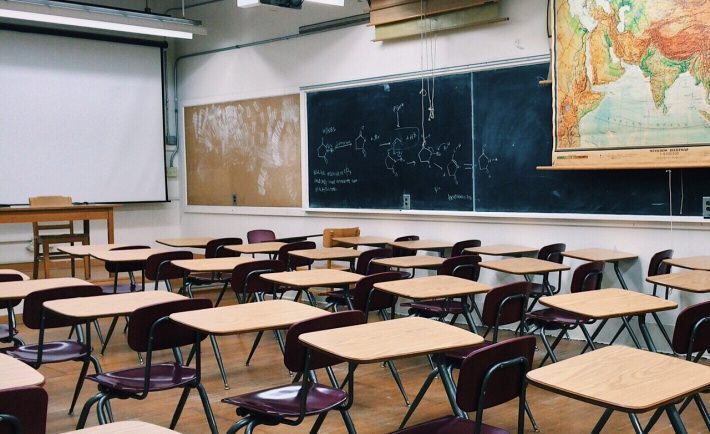
Social and emotional learning (SEL) holds significant importance in the holistic growth of a child in schools. It is pivotal to children’s physical, mental and emotional development. It provides children with essential abilities to understand and manage their emotions, foster positive connections with others and make wise choices. Therefore, understanding the importance of supporting social and emotional learning in international schools is indispensable.
In this write-up, we will explore how International schools in Singapore improve SEL.
Understanding the Core of Social and Emotional Learning
Social and emotional learning involves teaching and fostering skills such as self-awareness, self-management, social awareness, relationship skills, and responsible decision-making. These skills are foundational in helping students understand and manage their emotions, feel empathy for others, establish positive relationships, make responsible choices, and handle challenging situations. Let’s understand each of these in more detail.
Self-Awareness: Students learn to recognise their emotions, thoughts, and values and understand how they influence behaviour.
Self-Management: This involves effectively regulating one’s emotions, thoughts, and behaviours in different situations.
Social Awareness: Developing empathy, respect for others, and understanding diverse perspectives.
Relationship Skills: Learning to establish and maintain healthy and rewarding relationships based on cooperation.
Responsible Decision-Making: Making ethical, constructive choices about personal and social behaviour.
Incorporating SEL into the Curriculum
Integrating SEL into the primary school curriculum requires a strategic approach. This includes dedicated SEL lessons, embedding SEL principles into academic subjects, and creating a supportive school environment.
Dedicated SEL Lessons: Schools can allocate specific time for SEL activities and discussions, allowing students to learn and practise these skills in a structured setting.
Embedding SEL in Academic Subjects: Teachers can integrate SEL concepts into subjects like literature, social studies, and science, making these lessons relevant and practical.
Creating a Supportive Environment: A school climate that promotes respect, kindness, and empathy enhances the effectiveness of SEL.
SEL and Primary School Fees in Singapore
When considering a primary school fee in Singapore, evaluating the school’s commitment to SEL is essential. Schools that invest in SEL often provide a more nurturing and inclusive learning environment, contributing significantly to a child’s emotional and social development.
Value for Money: Investing in a school that prioritises SEL ensures that the primary school fee in Singapore contributes not only to academic excellence but also to the holistic growth of the child.
Long-Term Benefits: The skills acquired through SEL are invaluable and have long-term benefits, enhancing the worth of the educational investment.
The Role of Teachers and Parents in SEL
Teachers and parents are crucial in fostering Social and Emotional Learning (SEL) in children. In the classroom, teachers have the unique opportunity to embody SEL principles. By demonstrating skills like empathy, emotional regulation, and effective communication, they set a powerful example for their students.
More than just educators, they are role models, guiding students in understanding and managing their emotions, developing empathy, and cultivating strong interpersonal skills.
Creating a nurturing and safe environment is essential for SEL to thrive
Teachers can achieve this by designing classroom activities that promote SEL competencies, encouraging students to express their feelings, and showing understanding and support. This approach helps students feel valued and understood, fostering a sense of belonging and community in the classroom.
Parents complement this learning at home
They play a pivotal role in reinforcing their children’s SEL skills at school. Through active listening, parents can show their children that their feelings and thoughts are essential. This kind of validation is key to building a child’s self-esteem and emotional intelligence. Moreover, by practising and displaying empathy in daily interactions, parents teach their children the importance of understanding and respecting others’ perspectives.
Open communication is another critical aspect
Both teachers and parents should strive to create spaces where children feel comfortable sharing their thoughts and emotions. This open dialogue is fundamental to SEL, allowing children to navigate their feelings and develop healthy coping mechanisms. By working together, teachers and parents can ensure a consistent and supportive environment for children’s social and emotional growth, laying a strong foundation for their future well-being and success.
Challenges and Solutions in Implementing SEL
Implementing SEL in primary schools can come with challenges, such as a lack of time, resources, or teacher training. However, these can be addressed through professional development for educators, integrating SEL into existing curricula, and involving the entire school community in SEL initiatives.
Professional Development for Educators: To ensure the effective implementation of Social and Emotional Learning (SEL), comprehensive professional development for educators is essential. This involves offering targeted training programs that cover the latest SEL methodologies and practices. Resources like specialised SEL teaching materials and platforms for collaborative learning among educators further support this initiative.
Community Involvement: Engaging the wider community in SEL initiatives is very important for creating a supportive and consistent environment for students. This involves organising workshops and discussions that include parents, guardians, and local community members, fostering a collaborative approach to SEL.
Incorporating Technology and Digital Tools: Utilising digital platforms and educational technology can be an effective way to overcome resource limitations in SEL implementation. Interactive online tools, apps, and platforms can provide engaging, accessible ways for students to learn and practise SEL skills.
Regular Evaluation and Feedback Mechanisms: Establishing a system for regular assessment and feedback is essential in measuring the effectiveness of SEL programs. Schools can implement surveys, interviews, and observation methods to gather data on students’ social and emotional development. This feedback can inform continuous improvement in SEL strategies, ensuring they are responsive to the unique needs of the student body.
Building Partnerships with SEL Experts and Organisations: Collaborating with experts and organisations specialising in SEL can provide schools with additional support and resources. These partnerships can bring in fresh perspectives, specialised training, and additional materials that can enhance the school’s existing SEL programs.
International School and SEL
An International School typically embraces a diverse and inclusive approach to education, making it an ideal setting for effective SEL. These schools often have a global perspective that enriches the SEL experience, exposing students to various cultures and viewpoints.
Diverse Learning Environment: International schools offer a unique environment for practising SEL skills, given their culturally diverse student body.
Global Perspective: SEL in the context of an international school can foster global citizenship and empathy towards diverse cultures.
Social and emotional learning is an indispensable part of primary education, especially in the context of Singapore’s diverse educational landscape. It equips children with essential life skills, preparing them for academic success and personal and social challenges.
Whether considering the primary school fee in Singapore or the choice of a school, integrating SEL into the curriculum should be a key factor in decision-making. By prioritising SEL, schools can contribute significantly to nurturing well-rounded, empathetic, and socially competent individuals.
Our Telegram followers get notified as soon as the post goes live.
LIMITED TIME OFFER: Enjoy 1-for-1 Buffet!
2 to 31 January 2024
Seafood aficionados, get ready to dive into the crustacean corner brimming with Alaskan Snow Crab, Boston Lobster, Poached Tiger Prawns and mouthwatering highlights including their signature Laksa with poached lobster, Chilli Crab and many more!
Look out for the craving station featuring Char-grilled Australia Tomahawk with Kampot Pepper, and a mouthwatering line-up of savoury dishes including a Roast Delights Stall, and Sustainable Fresh Catch steamed with house sauce, battered Halibut Chunks. On Weekends, fire up your bellies at our alfresco BBQ pit with a feast of charcoal grilled delights!
Lunch Buffet 12:00PM to 2:30PM
Weekday Lunch Buffet (Monday to Friday)
Adult $58++ | Child $29++
Selecting the right piano teacher plays a significant role in shaping your skills, techniques, and overall appreciation for the instrument. When searching for a piano teacher, you should consider their qualifications and experience, which ensure that they can provide both technical instruction and musical mentorship.
Your personal goals and preferences are paramount when choosing an instructor. Whether you’re aiming for classical training, looking to explore jazz improvisation, or simply want to play for enjoyment, it’s important to find a teacher whose expertise and teaching style align with your objectives. A teacher’s capability to adapt to your learning style and the rapport you establish with them will greatly influence your progress and the enjoyment you derive from your lessons.
Understanding Your Goals
When choosing a piano teacher, it’s essential to clarify what you wish to achieve, as this will steer your decision-making process.
Identifying Your Musical Aspirations
You need to determine what kind of pianist you want to become. Whether it’s mastering classical pieces, playing by ear in a contemporary style, or simply gaining a new skill for personal enjoyment, your musical aspirations will influence your choice of teacher.
Classical Training: Look for teachers with a strong background in theory and classical repertoire.
Contemporary Styles: Seek a teacher who specialises in jazz, pop, or other modern genres if that’s where your interest lies.
Hobbyist: If you’re learning for fun, find someone who makes lessons engaging and flexible.
Setting Realistic Expectations
Your progress on the piano will depend on your commitment and the quality of instruction you receive. Setting realistic goals and timelines is crucial.
Beginner: Understand that fundamentals take time. Look for a teacher who is patient and encouraging.
Intermediate: Focus on developing technique and musicality. Aim for a teacher who can challenge you appropriately.
Advanced: Choose a mentor who can refine your skills and potentially offer performance opportunities.
By aligning your goals with the expertise of a piano teacher, you’ll be better equipped to make an informed choice that suits your musical journey.
Evaluating Teacher Credentials
Once you understand what you’re looking to achieve with piano lessons, it’s time to make a list of prospective piano teachers and evaluate them. For Singapore the easiest way is to check the list of piano teachers and schools on SGLessons where you can see teacher profiles, compare prices and reviews, and contact teachers directly.
Assessing piano teachers’ qualifications is as crucial as gauging their teaching style. Ensure the credentials align with your learning objectives and the teacher’s ability to cater to your educational needs.
Assessing Educational Background
Your piano teacher’s educational background provides insight into their formal training and musical knowledge. Look for qualifications such as a Bachelor’s or Master’s degree in Music, with a specialisation in piano or music education. Advanced diplomas or degrees from recognised institutions indicate a solid foundation in both theory and practice.
Checking Professional Experience
Experience is equally telling of a teacher’s capacity to impart skills effectively. Determine how long the teacher has been instructing and what levels they cater to, from beginners to advanced students. A history of nurturing students to complete examinations or performances can reflect their competence in teaching.
Recognising Accreditation and Affiliations
Accreditation and professional affiliations, such as membership in a music teachers’ association, signal a commitment to industry standards and continuous development. Confirm the teacher’s Grade 6 Practical and Grade 5 Theory credentials from recognised music examination boards like the ABRSM (Associated Board of the Royal Schools of Music) or Trinity College London.
Considering Teaching Style
The teaching style of your prospective piano teacher significantly affects how you will learn and progress. It’s essential to find one that complements your learning preferences and goals.
Matching Teaching Philosophies
Your musical aspirations should align with your teacher’s philosophical approach to instruction. A teacher who views music education as a strict discipline may suit you if you’re aiming for professional performance levels. Conversely, if you seek to enjoy and explore music in a relaxed setting, seek out a teacher with a more flexible and supportive philosophy.
Assessment of Communication Skills
Evaluate how effectively a teacher communicates. You’ll benefit most from a teacher who articulates concepts clearly and listens to your questions and concerns. During an initial discussion or trial lesson, pay attention to:
Clarity: Are the teacher’s explanations comprehensible and precise?
Patience: Does the teacher allow you time to process new information?
Feedback: Is the critique provided constructively and in a manner that you find motivating?
Exploring Teaching Methodologies
A variety of teaching methodologies can influence your learning progress and enjoyment. Here are a few you may encounter:
Traditional: Emphasises reading music and technique.
Suzuki: Focuses on learning by ear and mimicking before reading music.
Alexander Technique: Aims to reduce physical stress and improve ease of playing.
Consider which method resonates with your learning style and will help you achieve your musical objectives.
Practical Considerations
Take into account logistical aspects that will affect your learning experience. These include where the lessons will take place, when they are scheduled, and the financial commitment involved.
Location and Accessibility
Consider the location of your piano lessons. You want a site that is easy for you to reach, whether it’s the teacher’s home, a music school, or your own house if the teacher offers home visits. Accessibility is crucial to maintain regular attendance and reduce travel-related stress.
Music School: Access to more resources; might be further away
Online Lessons: Cheap, convenient; limited feedback from a teacher
Lesson Scheduling and Flexibility
Your schedule and the teacher’s availability must align. You need a teacher who can offer lessons at times that suit you.
Fixed Schedule: Consistent; less flexible
Flexible Scheduling: Can adapt to changes; could be less structured
Cost of Lessons and Payment Terms
Be clear about the cost for your piano lessons and how it aligns with your budget. Teachers might charge per lesson, per term, or have different rates for varying lesson lengths. Also, understand the payment terms—whether it’s in advance, per session, or on a monthly basis.
Cost Per Lesson: S$40 – 100 (30-60 minutes)
Bulk Payment: Discounts for term payments
Cancellation Policy: Understand penalties or notice periods
Remember to discuss these aspects in detail with any potential teacher to ensure their suitability and to avoid any hidden surprises.
Trial Lessons and Interviews
Trial lessons and interviews are pivotal in this quest as they provide a platform for mutual assessment between you and potential piano teachers.
Arranging a Meeting
To set up a trial lesson, reach out to prospective teachers with your availability, expressing your desire for an introductory session. Ensure this meeting occurs in the teaching environment, whether it’s their studio or a music school, to give you a sense of the learning atmosphere.
Contact Method: Preferably via email or telephone, providing a personal touch.
Scheduling: Propose several dates and times to increase the likelihood of finding a suitable slot.
Preparing Interview Questions
Prepare a list of specific questions to ask during your trial lesson or interview to understand the teacher’s approach and see if it aligns with your goals. Your questions might include inquiries about their:
Qualifications: Ask about their educational background and teaching certifications.
Experience: Explore their experience with students at your level of proficiency.
Teaching Style: Get insight into their method of instruction and whether it complements your learning style.
Expectations: Clarify what they expect from their students in terms of practice and progress.
By methodically approaching trial lessons and interviews, you forge a path to a rewarding educational relationship with the right piano teacher for you.